Yorkshire-based manufacturer Phoenox Textiles, the producer behind Hug Rug and inventors of the washable rug in 1970, reflects on the mounting challenges facing British businesses, as historic pottery firm Denby calls in administrators. A true champion of British manufacturing, Phoenox Textiles, which also produces white-label products for other British brands, continues to craft all of its products at its family-run mill in Yorkshire, which has been in operation since 1954.
When the renowned British pottery maker since 1809, Denby, announced last month that it was going into administration, it blamed factors including surging energy costs caused by the US-Israel war on Iran. This has compounded the challenges already being faced by British factories, including high energy costs, rising employment taxes, business rates, and policy uncertainty.
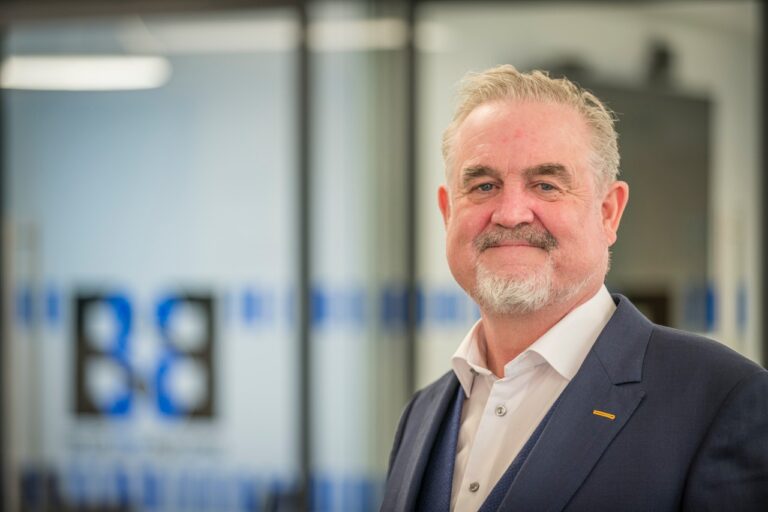
Adrian Mosley, Managing Director and Joint Owner of Phoenox Textiles, said: “It is so sad about the closure of Deby Pottery and attributing it to government policies and global issues. Closures like this can feel personal, but they usually result from a mix of factors economic pressures, supply chain problems, rent or labour costs, and sometimes regulations.
Governments can influence these things through taxation, subsidies, or trade policies, but global events like inflation, energy crises, or pandemics can hit small businesses even harder. It’s often a combination rather than one single cause. Tariffs, subsidies, or targeted financial support could have helped Denby Pottery remain competitive, especially against cheaper imports or rising costs. The loss isn’t just about a company closing: it’s jobs lost, local pride diminished, and a gap in the community’s economy and identity.”
PHOENOX’S APPEAL TO PARLIAMENT
Earlier this year, Phoenox’s Managing Director Adrian Mosley, with Creative Director Lizzie Mosley, and their daughter Ellie Mosley, the fourth-generation of the family to join the company, called on Westminster to pledge support for British businesses facing
“From where I stand, British manufacturing is being pushed to the edge – not by lack of effort or investment from businesses, but by a government that seems fundamentally out of touch with how wealth is created. The private sector is expected to carry the load, while being taxed, regulated, and largely ignored when it comes to real support,” notes Mosley.
“I saw this first-hand when I visited Parliament earlier this year. I was due to meet Peter Kyle, the Business and Trade Secretary, but he didn’t even attend. Walking through Parliament, the overwhelming impression wasn’t one of progress, but of process without outcome. There was no sense of urgency, and no real engagement with the challenges businesses is facing on the ground.
Meanwhile, industry is left to fight on its own. We need a government that actively backs British manufacturing through targeted grants, a serious and competitive energy policy, and a willingness to address unfair import pressures. Other countries do this. The UK, increasingly, does not.”
Speaking to the Department for Business & Trade at Westminster, Phoenox outlined six key asks of the government:
- Reduce industrial energy costs to internationally competitive levels
- Reform business rates for manufacturing
- Offset rising employment taxes
- Provide clarity on trade and tariff policy
- Develop an industrial strategy that balances AI growth with job-creating sectors
- Support for British business
FIGHTING THE IMPACT OF RISING COSTS AND UNREGULATED OVERSEAS COMPETITORS
The Labour government currently offers minimal relief to manufacturers facing the impacts of rapidly rising minimum wages and high energy costs, the impacts of which have only worsened. For companies like Phoenox, these expenses place the most significant burden on profits, and it argues that strategic government relief or subsidies are needed to offset higher production costs.
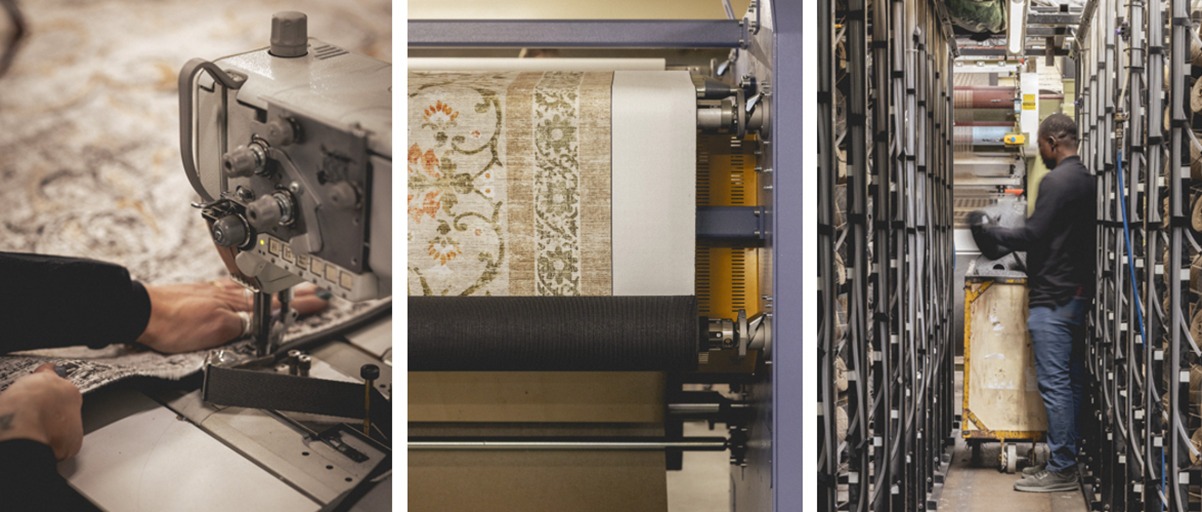
“It often feels as though supporting British business is not a government priority, while overseas producers continue to benefit from easy access to our markets,” notes Adrian. “We’re a labour-intensive business: tufting, coating, printing, finishing, and a lot of what we do still relies on skilled hands. If the minimum wage goes up quickly, it doesn’t just affect entry price levels, it pushes up the entire wage structure. In manufacturing, you can’t always pass those costs on because you’re competing with imports from countries where labour costs a fraction of the UK, which puts real pressure on margins.”
Phoenox, which prides itself on manufacturing to high environmental standards, is calling for more government support so that it can compete with cheap overseas suppliers, which operate under vastly different regulatory, labour and tax regimes. Adrian Mosley continues: “With margins shrinking, it becomes ever more difficult to compete with ultra-low-cost suppliers like Temu and Shein overseas. High electricity, gas and water prices make the UK one of the most expensive countries to manufacture in.”
THE NEED FOR ENERGY REFORM
Alongside the demand for better government support, Phoenox Textiles are fighting for a reform on energy strategy. This, notes Adrian, is key to the survival of British industry.
“At Phoenox Textiles Ltd, we rely on gas and electricity to keep our factory running. Energy costs aren’t theoretical: they directly affect our ability to compete, invest, and employ people. Energy policy should be about security, affordability, and competitiveness. Instead, businesses are being squeezed by high energy costs while cheaper goods flood in from countries that don’t follow the same standards.
In the case of Denby pottery, this kind of closure highlights a bigger pattern in British manufacturing: that without consistent support and strategic protection, even long-standing, iconic businesses are vulnerable to global market pressures and policy gaps.”
Once a hub for textile manufacturing, Phoenox remains one of the last mills still producing in Yorkshire and the last company in this sector to still be creating rugs in Britain. The hope is that with policy reform that supports both the environment and British economy, Phoenox can continue to re-invest into the business and support the local community.
CONTINUED INVESTMENT AND AN OPTIMISTIC OUTLOOK FOR THE FUTURE
Despite ongoing external challenges, Phoenox continues to re-invest in the business. A recent £4 million backing line investment was made to enhance both the quality and efficiency of the manufacturing process, enabling Phoenox and Hug Rug to deliver an even higher-quality product while reducing errors and minimising waste. The new machinery is also more energy-efficient, reducing gas and electricity consumption per metre of product manufactured and supporting the company’s ongoing commitment to environmental responsibility.
“Manufacturing at Phoenox Textiles remains a strong and integral part of our overall sales and strategy. Over the past 15 years, we have invested heavily approximately £9,000,000 funded through continued reinvestment into the business. As a result, we now operate with state-of-the-art machinery, with the oldest machine in our factory being just six years old.
We have also recently commissioned a new coating line from Germany, representing a further investment of £4 million. This will support our growth for many years to come and, at 54 years old, will certainly see me through to retirement.”
As Phoenox continues to fight for government support, the brand remains hopeful for progress.