Tech has taken over our lives. When Steven Bartlett confessed earlier this month on his Diary of a CEO podcast that two glasses of wine “ruined three days” of his life, quantified by his 24/7 wearable tracker, it sparked a wider debate about our obsession with self-optimisation. The backlash was swift, suggesting that optimisation culture and the technology designed to enhance our health may actually be having the opposite effect. It’s no coincidence that 2026 is being dubbed the year of analogue. As more people crave tech-free lifestyles, brands like fitted furniture brand Neville Johnson, Italian linen brand Frette, and luxury British bedmaker Vispring, report that this is resulting in the rise of tech-free design.
DISCONNECTING AS THE NEW LUXURY
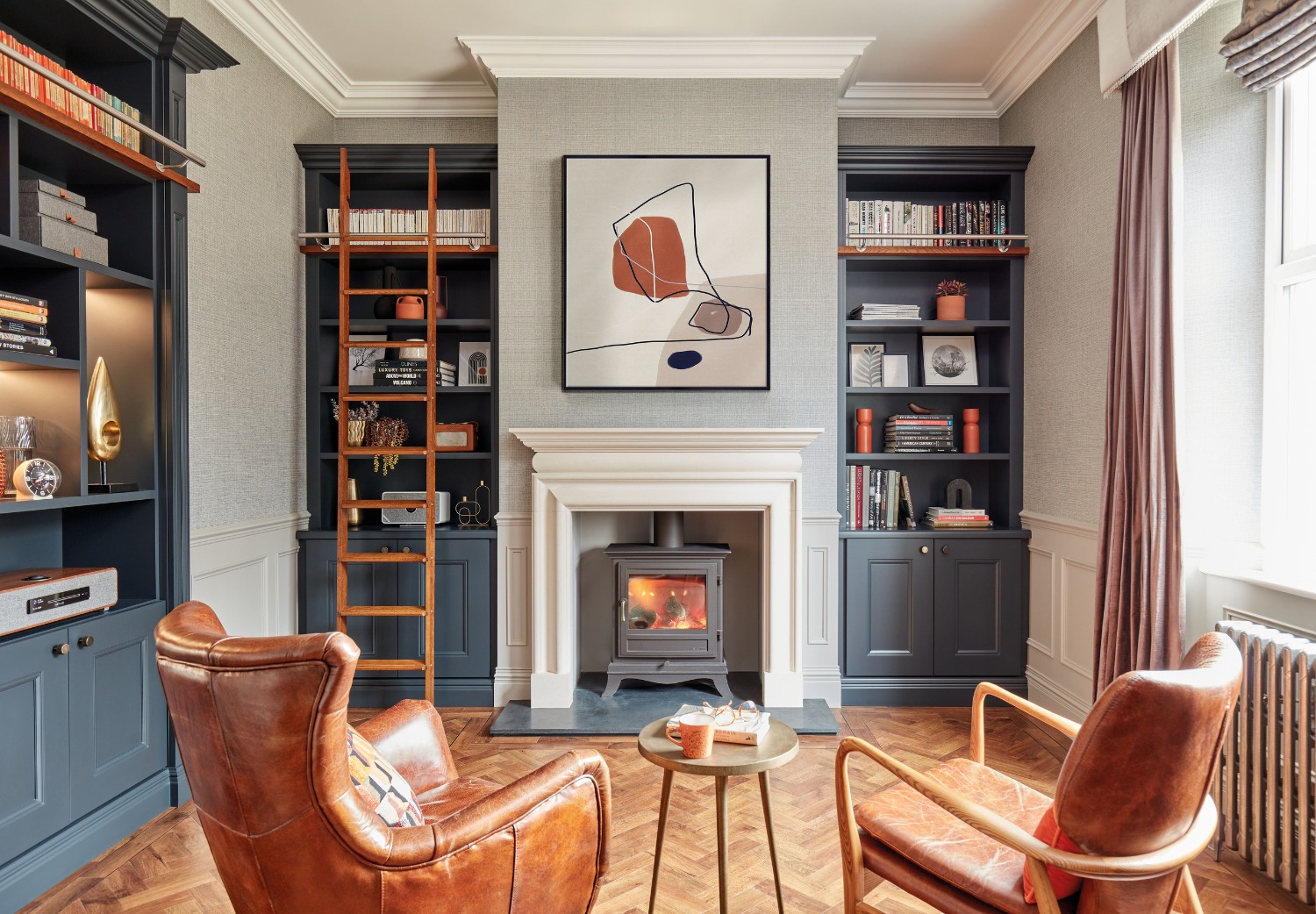
There is a reason spaces that prioritise switching off have become some of Neville Johnson’s most requested – from libraries and spaces for engaging with physical media to offline-hobby rooms, the brand is designing more and more digital detox zones for homeowners looking to escape tech’s overwhelming presence.
Consider transforming an under-used guest bedroom or wasted storage space into a room that allows you to naturally switch off and engage in off screen hobbies like, art, music and crafts. Alternatively, if space is at a premium, elevate forgotten corners into a place for respite: library nooks for curling up with a book, or a listening corner to relax with your collection of CDs or vinyl records.
GOING BACK TO BASICS
There is an abundance of sleep tech available to track sleep, monitor our rest, and apparently improve it. Vispring, which celebrates its 125th anniversary in 2026, has been handcrafting its luxury beds and mattresses since 1901 and believes the best solution for better sleep shouldn’t be more complicated than well-made, all-natural basics.
Clare Schifano, Global Marketing Director at Vispring, advises: “ Your bed is arguably the most important piece of furniture you will buy as it affects your quality of sleep and, in turn, your overall health and wellness.
Natural materials such as wool, cotton and horsehair are tried and tested in bed making and have been used for centuries. These fibres are known to have properties that can contribute to a good night’s sleep including breathability and temperature regulation – cool in summer and warm in winter, natural spring for resilience and support and importantly softness for comfort.
Scientific evidence demonstrates that settling for a mattress ill-suited to your physical characteristics and sleeping habits can lead to significant health complications in the future. People spend a third of their life in bed, and a good night’s sleep contributes to people’s long-term well-being, so it is well worth investing in the best bed possible.”
IMPACTFUL FINISHING TOUCHES
Where some sleep masks have taken a more high-tech approach – from doubling up ask Bluetooth headphones to masks that vibrate – Italian linen house Frette believes there is no greater luxury than an eye mask made from the finest silk. Naturally thermoregulating and gentle on the skin, these small accessories help to digitally detox whilst naturally elevating the ritual of sleep.
Cristiano Quieti, Chief Merchandising and Marketing Officer at Frette, says: “At Frette, we talk about the Sleeping experience, because the time we dedicate to rest is precious. Every detail contributes to the quality of your rest. A silk eye mask is a small but powerful addition to your sleep ritual. Silk’s naturally smooth fibres create less friction against the delicate skin around the eyes, helping to reduce creases and irritation while feeling luxuriously soft against the skin. An eye mask also serves a practical purpose by blocking out light, encouraging deeper, more restorative rest. The lightweight, breathable quality of pure silk ensures that the mask feels cool and comfortable throughout the night.”