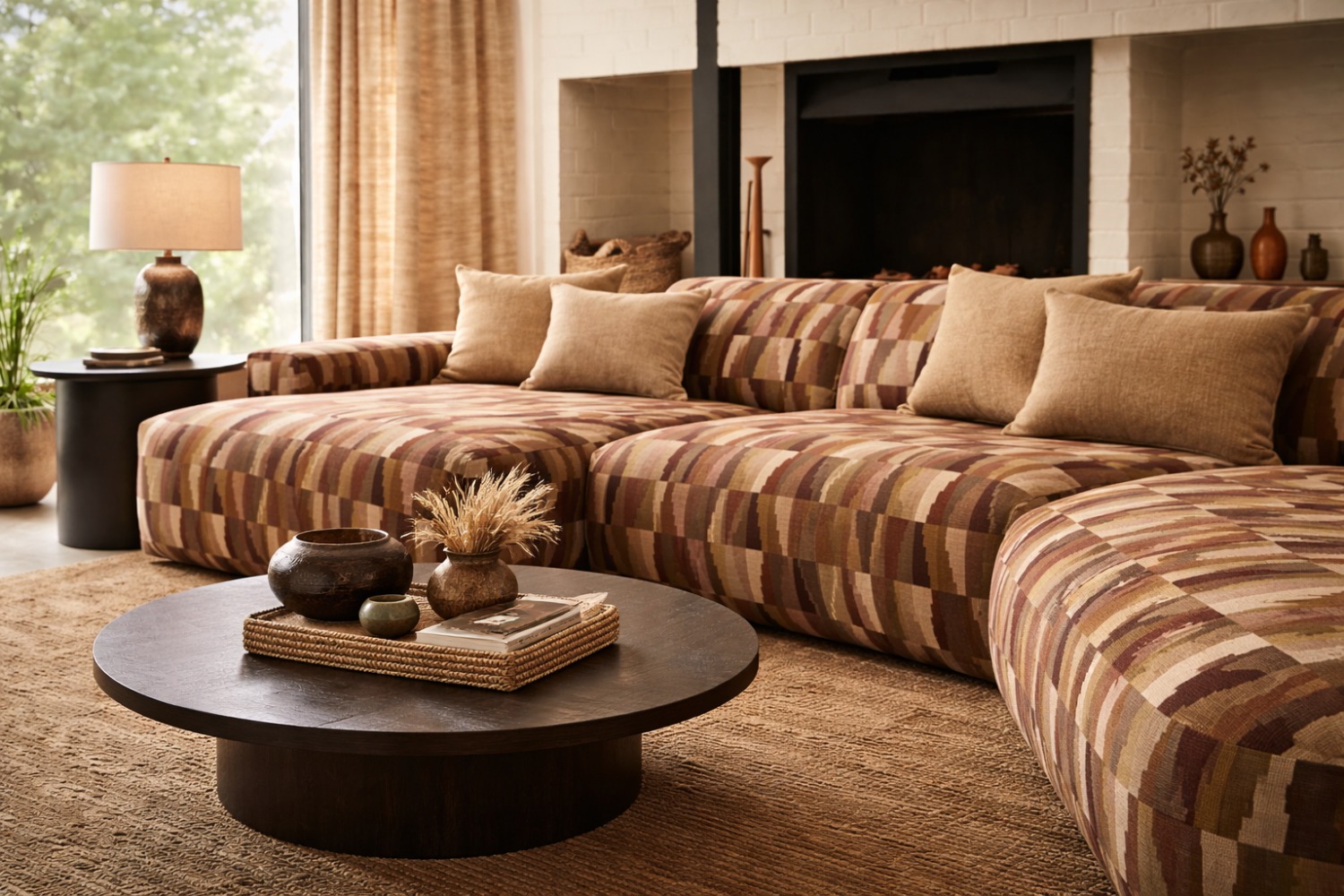
For decades, buying a sofa followed a familiar set of rules. You chose a three-piece-suite or one main piece, usually three-seater or corner sofa, made sure it matched the rest of the room, pointed it squarely at the TV and expected it to stay like that and last for years.
But according to a leading furniture business (that’s been selling sofas since the 1900s), in 2026, the traditional living room rulebook is quietly being thrown out of the window – starting with the sofa.
Lucy Mather, interiors expert at Arighi Bianchi, says: “Rather than shopping for a sofa, more people are approaching seating as a design plan, not just something we pick to fit in a room. It’s less about finding the perfect finished piece and more about creating something that suits how they actually live – right now.
“Yes, people are swayed by the trendy sofas that they see in the mags and Instagram, but when it comes to making actual decisions for a home – other influences have taken over.
“The biggest shift is from statement piece to a seating system approach. Sofas are no longer treated as untouchable centrepieces; they’re being broken down into components. A two-seater added to later. A chaise swapped from left to right. An extra section introduced when space allows or removed when it doesn’t.
“This move towards self-configuration and away from the three-piece suite era reflects a broader change in how modern homes function. Living rooms now double as workspaces, social hubs, family zones and places to properly switch off. One rigid seating arrangement simply doesn’t work for all of that.
“As a result, flexibility is trumping formality. People want seating that adapts to them, not the other way round.”
Old sofa “rules” that no longer apply
Rule one: everything has to match.
Matching sofa sets once signalled a finished, well-put-together room. Today, they can feel flat and overly coordinated. Mixed seating — different fabrics, depths or even styles — feels more relaxed and personal. A practical everyday piece can sit alongside something more indulgent without the room feeling disjointed.
What’s happening now is that rooms have an eclectic mix of elements – pouffes, side tables, no coffee table and moveable pieces.
Rule two: you buy one main sofa.
Instead of committing to one large purchase, many households are building seating gradually. A compact sofa now, a chaise later. A modular corner that can be separated into individual seats if the room changes. This approach feels less risky, particularly for renters or anyone expecting to move within a few years.
Rule three: the sofa must face the TV.
With laptops, tablets and phones competing for attention, the TV is no longer the sole focal point of the room. Sofas are being angled, floated away from walls or arranged to face each other instead. Conversation, comfort and flexibility are driving layouts more than screen position.
Rule four: corner sofas are only for big rooms.
Once seen as bulky and space-hungry, modern corner sofas are slimmer, lower and far more adaptable. In smaller spaces, they’re often used deliberately to define zones rather than dominate the room — especially in open-plan or multi-use layouts. Lower profile seating also works with large windows, to allow daylight to flood in rather than a bulky sofa blocking it.
Rule five: sofas sit against walls and everything be symmetrical
Increasingly, people are planning seating like a layout exercise. Sofas are being used as room dividers in open-plan living and now there’s intentional imbalance – offset rugs, one chair, mixed shapes and multiple coffee tables versus one table placed in the middle.
Why “anything goes” now makes sense
“This shift isn’t about being rebellious for the sake of it”, adds Lucy. “It’s a practical response to how homes – and lives – have changed.
“People are moving more frequently, staying in rented homes for longer and asking more of the same space. There’s also a growing reluctance to commit to furniture that can’t adapt, especially when budgets are tighter and expectations around longevity are higher.
“Configurability offers reassurance. If a room changes, the seating can change with it. If a household grows, seating can expand. If priorities shift, layouts can be reworked without starting from scratch.
“It’s also why there’s less pressure for sofas to look “perfect” from day one. Lived-in, evolving spaces feel more honest than show-home symmetry.”
Comfort over convention – and the rise of oversize voluptuous
What’s striking is that this move away from rules hasn’t resulted in chaos. In fact, many homes feel calmer for it.
By focusing on how seating is used rather than how it’s supposed to look, people are making more comfortable, more intuitive choices. Deeper seats where lounging matters. Firmer cushions where support is needed. Extra sections where people naturally gather. The result is rooms that work harder but feel less forced.
Cinema style sofas are also rising in popularity – overshadowing the traditional idea of what seating a living room ‘should have’ with a shift towards bringing experiences into the home.
Ultimately, the decline of sofa rules reflects a wider cultural shift away from rigid interiors thinking. Homes are becoming more personal, more adaptable and less concerned with following prescribed ideas of “right” and “wrong”.
In 2026, the best sofa isn’t the one that ticks every traditional box. It’s the one that can be personalised, configured and added to as life changes.
And if that means breaking a few old rules along the way, most British living rooms seem perfectly happy to do so.