Households across Britain are once again facing rising energy bills, after Ofgem announced that the energy price cap will increase by 13% from July. The latest increase follows continued instability in global energy markets, with prices climbing sharply.
For many homeowners, the news reinforces the need to reduce reliance on volatile energy markets and make better use of renewable energy at home – particularly while the UK enjoys an unusually hot and sunny spell.
Turning sunshine into everyday savings
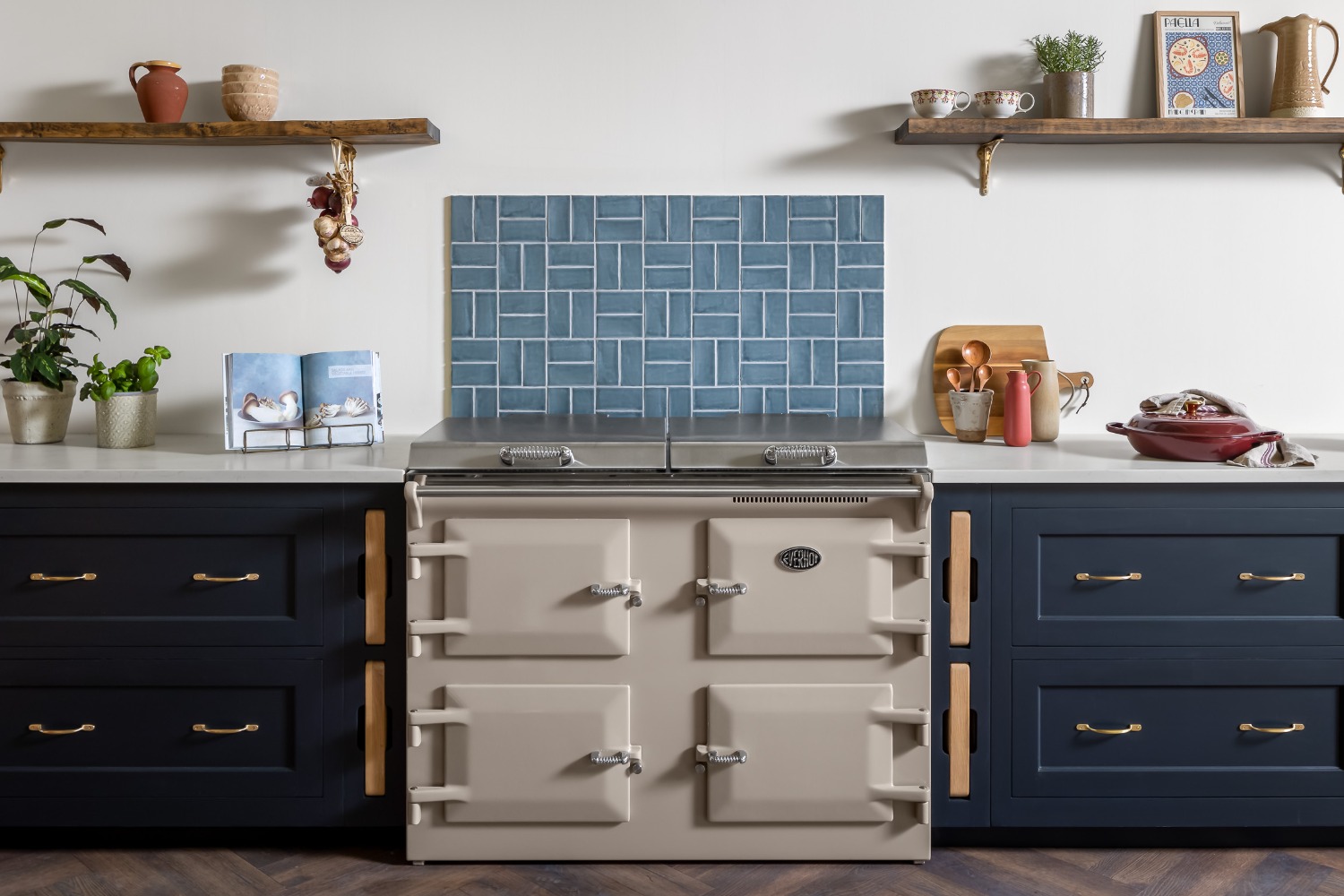
One increasingly popular solution is pairing solar generation with modern electric appliances designed to work efficiently with renewable energy. This is where Cotswolds-based range cooker brand Everhot stands apart.
“Heat-storage range cookers have long been admired for their timeless design and gentle, radiant cooking. However, they are often misunderstood as being costly and energy-intensive to run. In reality, modern energy solutions and intelligent design mean this perception no longer holds true,” says Graham Duke, Sales Director at Everhot.
Unlike traditional range cookers that burn fuel continuously, Everhots are engineered to work exceptionally well alongside Solar PV systems and home battery storage. During sunny periods, homeowners can power their cooker directly from self-generated electricity, dramatically reducing reliance on grid energy and helping shield themselves from rising tariffs.
Store solar energy and reduce reliance on the grid
By using surplus solar energy during the day – and storing excess power in home batteries for later use – an Everhot can become part of a smarter, more sustainable household energy system.
As temperatures rise and sunshine hours increase, many households are already generating more solar electricity than they can immediately use. Rather than exporting that energy back to the grid for minimal return, Everhot owners can harness it to power everyday cooking, baking and hotplate use.
Future-proofing the kitchen against rising utility bills
Beyond the energy savings, Everhot also offers a lower-temperature, highly controllable approach to heat-storage cooking, designed around efficiency and flexibility. Models can be programmed around household routines and energy generation patterns, helping owners maximise the benefit of renewable electricity.
“At a time when energy prices remain unpredictable, investing in appliances that complement solar power is becoming less of a lifestyle choice and more of a practical financial decision,” says Duke.