The latest research from the employee benefits experts at Everywhen reveals concerns employers have regarding the mental and physical health of employees across each age demographic in the workplace. The findings show that employers have worries regarding all employees of all ages but are generally as concerned about mental health and physical health, and more concerned about the older generations. The employees of most concern for both mental and physical health are of the baby boomer generation (aged 61+).
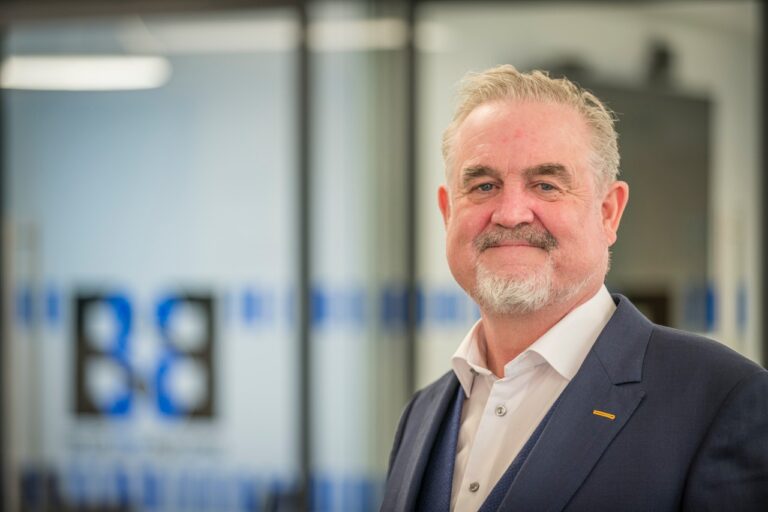
Debra Clark, head of wellbeing at Everywhen, says: “With a great deal of focus often placed on the mental health of younger employees, and the physical health of older employees, it is very interesting to see from our research that there is actually a spread of concern regarding all ages. It should be borne in mind, however, that this is a snapshot across many companies, industries and regions. Each individual company will have its own demographics to consider, which may sway the balance and, therefore, individual health and wellbeing requirements.”
Analysis of findings
| Employers concerned about mental health | |||
| Employees under 28 years of age (Gen Z) | Employees aged 29 to 44 years (Millennials) | Employees aged 45 to 60 years (Gen X) | Employees aged 61+
(Baby Boomers) |
| 44% | 48% | 49% | 53% |
| Employers concerned about physical health | |||
| Employees under 28 years of age (Gen Z) | Employees aged 29 to 44 years (Millennials) | Employees aged 45 to 60 years (Gen X) | Employees aged 61+ (Baby Boomers) |
| 37% | 41% | 52% | 58% |
The older the employee, the more employers worry about both their mental and physical health. However, for younger workers, employers are more concerned about mental health than physical health.
Consider demographics for support
While the research shows employers are concerned about mental and physical health, particularly for older workers, it is important that employers take time to understand the specific needs of their own workforces. It is only once an employer has a full understanding of the needs of their own workforce that the most appropriate support can be put in place.
Surveys, focus groups and one-to-ones are all good ways to assess the needs and concerns of employees. Having a range of different communication channels is always a good idea as some employees may, for example, feel more comfortable providing anonymous written responses, while others may prefer a friendly face-to-face meeting. Employee benefits experts can help with putting in place the most appropriate options. It is important to then regularly review requirements for health and wellbeing support, as needs can change and the support may need to be redirected to reflect this.
Debra Clark says: “When looking at how to support employees best, analysing requirements by demographics is a really good place to start. This may include looking at the needs of different levels of staff, as well as gender and age profile. That way, support can be tailored and this is likely to be the most effective.”