A decade after Design Central was founded, the interior design industry outside of the capital looks very different. This is the story of a region that stopped waiting for permission.
For a long time, the received wisdom in British interior design was simple. London was where things happened, and everything else was peripheral. If you were serious, you went south. If you stayed, you made the best of it.
That story is no longer credible. Across the North and the Midlands, the design economy has matured in ways that have quietly redrawn the professional map. Studios that began as local practices are working with national and international clients. Makers who would once have had to move to be taken seriously are building reputations from Cheshire, Manchester, Liverpool and Leeds. And the events, press and professional networks that once existed only in London are beginning to have northern equivalents that can stand up to the comparison.
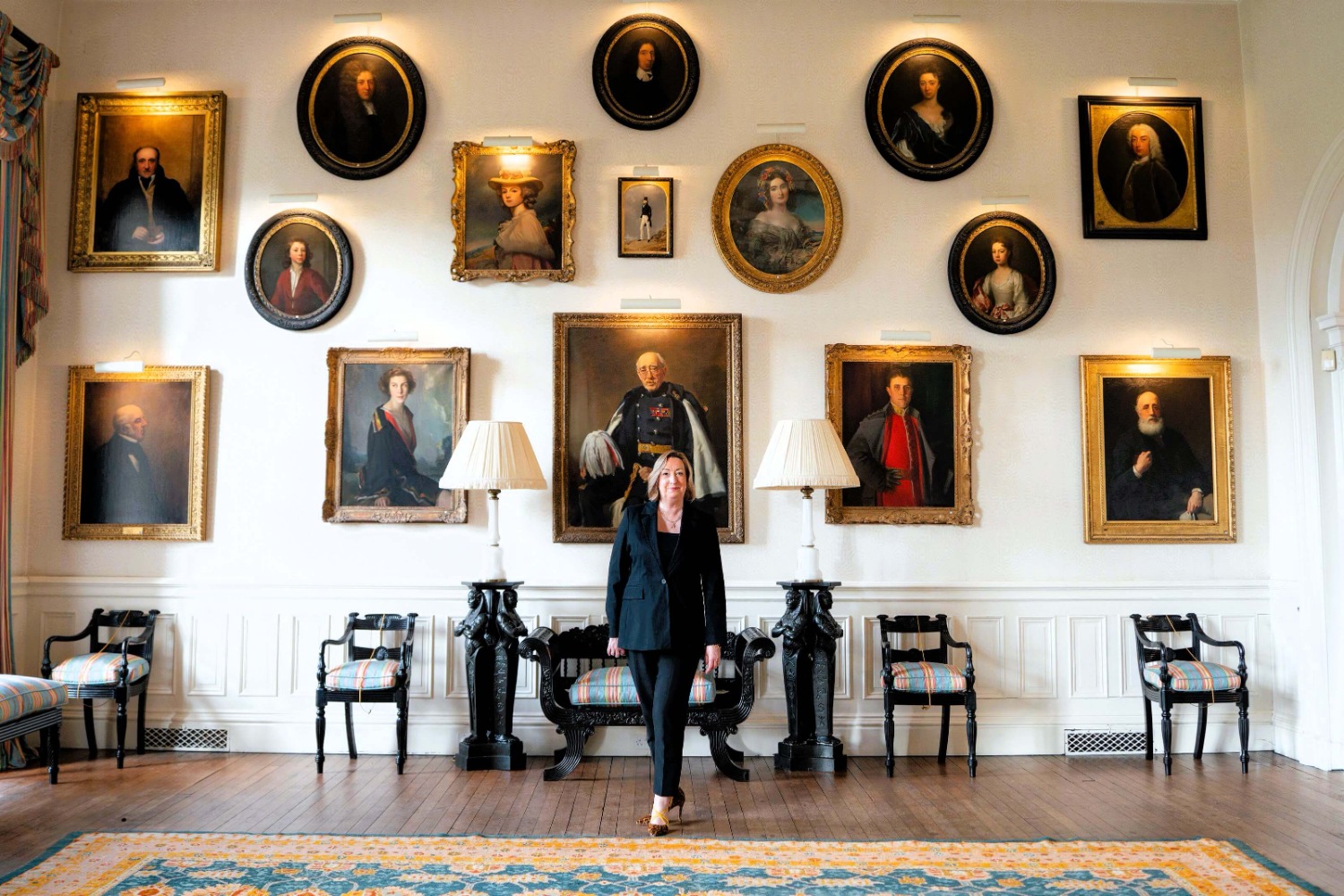
Design Central sits at the centre of this shift. Founded ten years ago by Cath McCubbin, the show was built on a straightforward premise: the North West had the talent, the studios and the ambition to sustain a design trade event of genuine quality. All it needed was the space.
There was no shortage of good work here. What was missing was a platform that reflected the quality of what the region was producing. Creating that was, in some ways, a political act as much as a professional one.
— Cath, Founder, Design Central
A decade later, the tenth anniversary Design Central event arrives at a moment when the argument has largely been won. The show has grown not because it expanded aggressively, but because the community grew with it. The exhibitors have become more diverse and better established. The visitors have become more discerning. The conversations in the room have become more ambitious.
The design economy in cities like Manchester and Liverpool alone has seen considerable growth over the past ten years. New studios have opened, existing practices have scaled, and the cities’ architectural and design output has become more visible nationally. Cheshire, similarly, continues to attract and develop residential design talent of a calibre that competes comfortably with the best anywhere in the country. The supply chain that supports this work, the makers, the suppliers, the specialist contractors, has developed in parallel.
What is perhaps less acknowledged is the role that events like Design Central play in sustaining that ecosystem. Trade shows do not just reflect the health of an industry: they help create it. They are places where relationships form, where ideas move between people, where the standards of a professional community are set and revised. A region without a strong trade event is a region that has to borrow its sense of direction from elsewhere.
The North West has stopped borrowing. Design Central’s tenth anniversary edition, which introduces a new business insight strand developed with Liverpool’s Larsen Architecture, is further evidence of that confidence. The conversation the show is ready to facilitate about commercial resilience, studio growth, and the business of design, is not an imitation of what happens in London. It is a contribution to a national conversation from a community that has earned the right to lead it.
Design Central 2026 takes place 22nd and 23rd September at Capesthorne Hall in Cheshire. Trade visitor registration is open now.