Missouri Coast Fisheries, a Farley-based company pioneering sustainable uses for invasive carp, will be the commercial partner supporting the Missouri Department of Conservation (MDC) in its upcoming Platte River harvests.
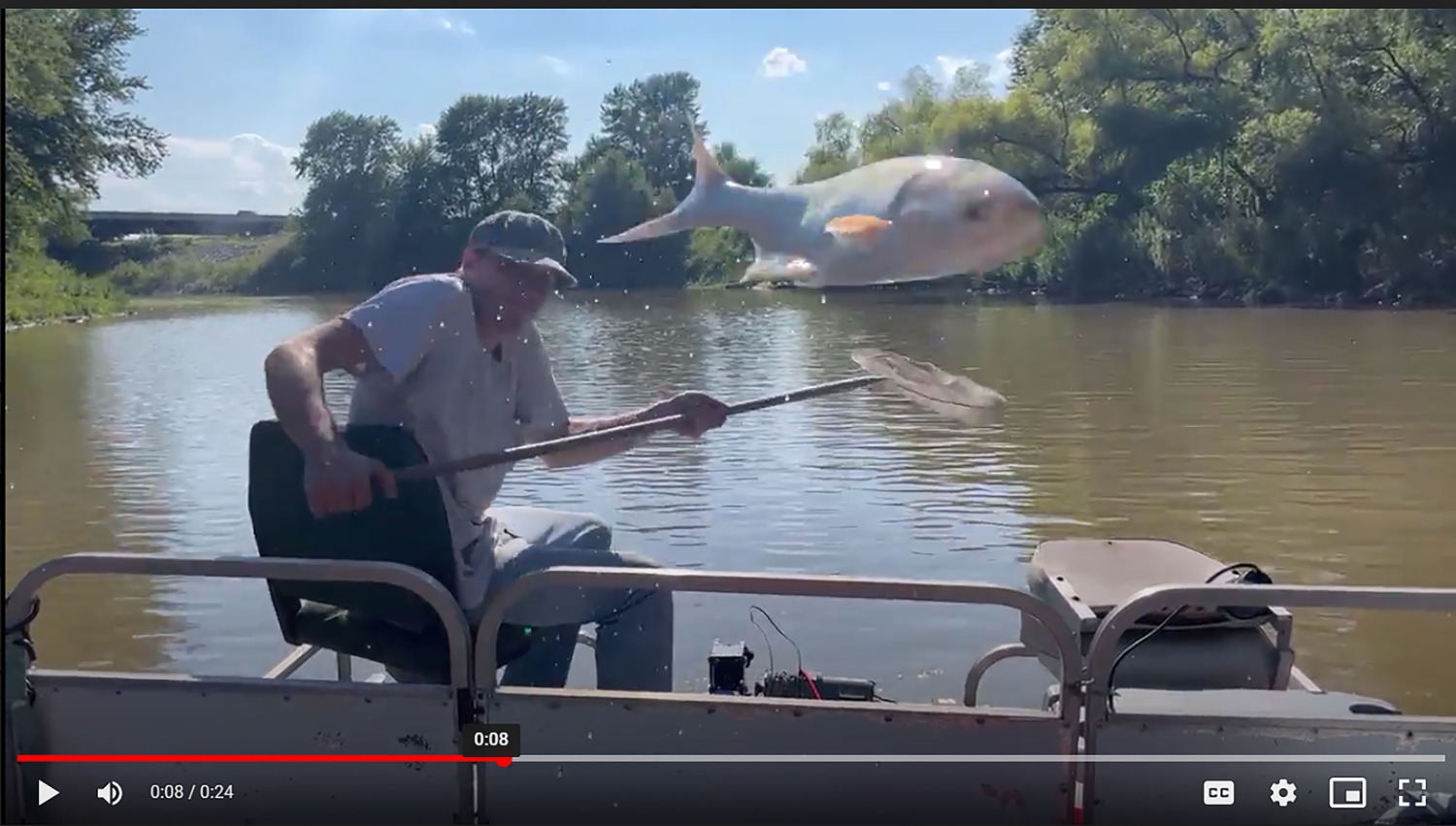
The MDC announced it will conduct two major carp removal operations at Schimmel City Access in Platte County, running September 8–12 and September 22–26, 2025. The invasive silver carp, notorious for their explosive populations and dangerous jumping behavior, threaten Missouri’s waterways by crowding out native fish and disrupting aquatic ecosystems.
Missouri Coast Fisheries is the designated processor for this effort, bringing a unique solution to a statewide challenge. Instead of discarding the catch, Missouri Coast transforms the harvested fish into eco-friendly products including Barley’s Dog Treats, Bene-Fishal organic fertilizer, multiple lines of fishing bait, and numerous other products in development including poultry feed, leather goods and even jewelry. The company’s innovative approach ensures that each fish removed not only protects local ecosystems but also contributes to agriculture, pet nutrition, and recreation.
“This project is about more than conservation—it’s about innovation,” said Greg Trial, Co-Founder of Missouri Coast Fisheries. “By working hand-in-hand with MDC, we’re proving that invasive species can be turned into valuable resources for Missouri families, farmers, and anglers.”
During the Platte River harvest, Missouri Coast will also showcase its mobile fish processing system, a first-of-its-kind unit designed to handle large-scale removals efficiently and sustainably. Members of the public and media are invited to witness the operation, meet the team, and learn more about how carp are being repurposed into beneficial products.
The collaboration reflects a growing model for conservation partnerships: state agencies and private enterprise combining resources to tackle urgent ecological challenges. By reducing invasive carp populations, the project aims to strengthen habitats for native fish, restore river balance, and create downstream economic benefits for Missouri communities.