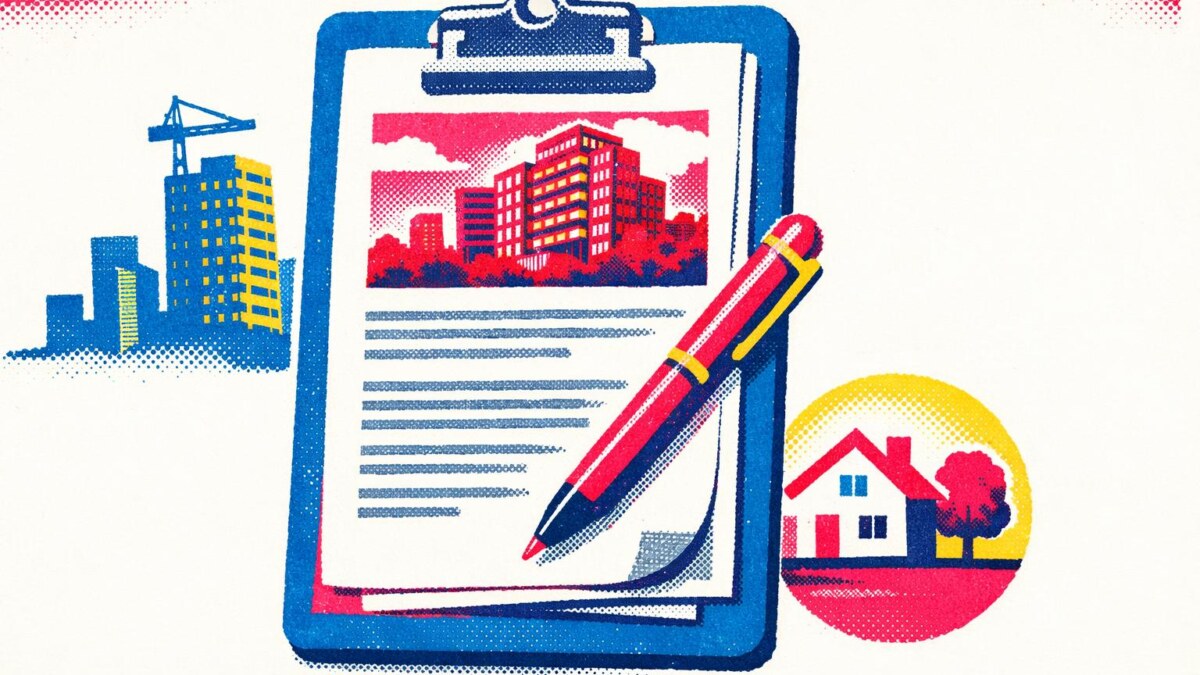
This toolkit is a comprehensive, practical guide for crafting high-impact press releases in the real estate and design industries. Whether you’re working in residential property or commercial development, this resource will help you:
Develop newsworthy story angles tailored to different types of media
Write compelling, professional press releases step by step
Use checklists for planning, writing, formatting, and distribution
Generate fresh ideas with industry-specific frameworks
Optimize releases for SEO and online visibility
Effectively integrate visual assets like photos and video
Customize content for trade, business, and lifestyle media
Avoid common press release mistakes that cost coverage
Use copy/paste-ready press release templates
Ideal for PR professionals, agencies, and in-house teams looking to sharpen their messaging and get more media pickups…
In real estate and design public relations, a well-crafted press release is a powerful tool for gaining media coverage and positioning your brand as an industry leader. Whether you’re announcing a new luxury residential development or a groundbreaking commercial design project, success hinges on strategy and attention to detail. This toolkit provides a step-by-step methodology, checklists, creative idea frameworks, and best practices to help PR professionals in residential property and commercial real estate sectors craft high-performing press releases. We’ll also cover how to tailor your content to different media outlets, optimize for SEO, integrate visual assets, use sample templates, and avoid common mistakes.
Step-by-Step Methodology for Crafting High-Performing Press Releases
Step 1: Identify a Newsworthy Angle. Start by choosing a story angle that is genuinely newsworthy – unique, timely, and interesting Not every update is worth a press release; focus on announcements with real value (e.g. a major property launch, an award-winning design project, a record-breaking sale, a market report). Ask yourself if the story has elements of timeliness, impact, novelty or human interest that would grab a journalist’s attention. For example, a new listing with a rare architectural feature or a design firm’s innovative sustainable project provides a compelling hook that sets your release apart from routine news.
Step 2: Craft a Compelling Headline and Subheader. Your headline is the first impression – make it concise (ideally under 10 words) and impactful. It should distill the essence of your story and highlight what makes it unique. Use strong action verbs and highlight the unique angle or benefit to create intrigue. For instance, “Green Roof Revolution: Luxury Tower Sets Sustainability Benchmark in London” is more engaging than “New Building Opens in London.” If appropriate, include a brief subheadline to add context or a teaser of the design/property angle. Remember that your audience is the press, so frame the headline to appeal to journalists’ interest – clarity and news value are key.
Step 3: Write a Strong Lead Paragraph (Dateline & 5 Ws). Begin the press release with a dateline (city, country – date) followed by an introductory paragraph that answers the critical “Five Ws”: Who, What, When, Where, and Why. This opening should read like a 30-second elevator pitch of the news, giving the most important facts upfront. Keep the tone straightforward and professional – avoid hype or lengthy background here.
For example: “London, UK – May 23, 2025 – XYZ Developments today announced the completion of The Aurora Building, a 50-story residential tower designed by acclaimed architect Jane Doe. Slated to open in June, it will be the first building in the city to feature a full rooftop forest, signaling a bold push for urban green living.”
This lead establishes the who/what/when/where and hints at why it matters (a “bold push for urban green living”). Make sure the lead is concise and compelling – busy journalists should grasp the news within seconds.
Step 4: Develop the Body with Details, Quotes, and Supporting Evidence. After the lead, use the body of your press release to expand on the story in an inverted pyramid structure – most important details first. Provide supporting information such as property or design details, key features, and relevant background. This is where you answer questions or add facts that give context (e.g. project specifications, design inspirations, market context or statistics) while still keeping paragraphs short and digestible. Importantly, include one or two impactful quotes from key stakeholders to humanize the story and add expert perspective. In a real estate press release, you might quote the developer or agent on what makes this property special; in a design PR, quote the lead designer or a satisfied client on the design’s impact. For example: “‘Our goal was to blend luxury living with environmental responsibility, and The Aurora’s rooftop forest does exactly that,’ said Jane Doe, Lead Architect at XYZ Studio, noting that the building will recycle 100% of rainwater.” Quotes should add value – they can highlight a unique selling point, convey enthusiasm, or provide insight that isn’t just repeating facts. Including data or market insights can further bolster credibility (e.g. “According to a recent study, green buildings command a 5% rent premium,” to reinforce why your news matters). Throughout the body, maintain a professional, factual tone – avoid marketing fluff and let the news and evidence speak for itself. Aim for a length around 400–600 words in total, which is typically one page.
Step 5: Add a Clear Call-to-Action or “More Info” Section (if relevant). If appropriate, guide readers on what to do next at the end of the main body. This could be a “More Information” paragraph that tells journalists how to access additional materials. For instance, you might mention that high-resolution photos, video tours, or floorplans are available upon request or via a provided link. You could also invite media to a launch event or offer interviews: e.g. “Media: for high-res images or to schedule a tour of The Aurora Building, please contact…”. Ensuring journalists know how to get follow-up info or assets will make their job easier and increase your chances of coverage.
Step 6: Conclude with a Boilerplate “About Us” Paragraph. End the press release with a short About section about the company or organizations involved. This boilerplate is a standard, one-paragraph backgrounder about your company’s mission, size, notable accolades or expertise, tailored to reinforce why you’re credible in this space. For example: “About XYZ Developments: XYZ Developments is a London-based real estate firm specializing in sustainable luxury projects. With 20+ years in the industry and projects spanning 10 countries, XYZ has been recognized for innovative design and community impact.” Keep it factual and succinct – this section gives context on who is behind the news. After the boilerplate, it’s traditional to include “###” or “-ENDS-” centered on its own line to signify the end of the release (this old newsroom convention assures journalists that no further copy is attached).
Step 7: Provide Contact Information for Media Inquiries. Make sure to list Media Contact details clearly, either right below the headline or at the very end of the release (placement can vary, but it must be easy to find). Include the name, title, organization, phone number, and email of the person who can answer press queries. If you’re a PR agency, this might be your contact info, but indicate if company spokespeople (CEO, designer, project lead, etc.) are available for interviews.
Example:
Media Contact:
Jane Smith, PR Manager
XYZ Developments
Phone: +44 1234 567890
Email: [email protected]
Double-check that the contact info is current and that someone will be ready to respond when the release goes out. Failing to provide or update contact information is a critical error that could cost you coverage.
Step 8: Edit, Proofread, and Refine. Before distribution, proofread the entire press release meticulously – errors or typos will undermine your professionalism. Ensure the writing is clear and flows well; read it from a journalist’s perspective to see if it’s engaging and easy to follow. Check for any jargon or overly technical language and simplify or define it for a broad audience (especially important in architecture/design releases – not all readers will know specialized terms). Confirm all factual details (dates, figures, names) are correct and that any hyperlinks or email addresses are working. It often helps to have a colleague do a final review as well, to catch mistakes you might have missed. This step is crucial – journalists notice sloppiness, and a polished press release shows professionalism.
Step 9: Distribute Strategically and Follow Up. Once your property press release content is final, plan its distribution for maximum impact. Decide whether to use a newswire service (e.g. PR Newswire, Business Wire or of course; our very own property press release distribution from News By Wire) to reach broad media, and/or target specific journalists via personalized emails. For real estate and design PR, a targeted approach can be very effective: pitch local real estate editors, architecture/design magazines, business journal reporters, etc., explaining why your story fits their audience. Timing matters as well – avoid sending releases on Fridays or late in the day when they might get overlooked; mid-week mornings (Tue/Wed/Thu) are often ideal. Also consider industry news cycles or events: if you can tie your announcement to a big property expo or design week, or at least avoid clashing with major news (like a national election), you’ll improve your pickup rate. After distribution, be ready to respond promptly to any media inquiries. If you don’t hear back, a polite follow-up to key contacts the next day can be acceptable, but don’t spam journalists – respect their time and inboxes. Finally, monitor for coverage and gather any published articles for your records, and be prepared to amplify the news on your own channels (website newsroom, social media, newsletters) to extend its reach.
By following these structured steps – from pre-writing strategy through to distribution – you create a press release that is professional, compelling, and primed for media success. Next, we’ll provide handy checklists to ensure you don’t miss any critical elements before, during, and after writing your release.
Checklists for Pre-Release, Writing, Formatting, and Post-Distribution
Using checklists is an excellent way to maintain quality and consistency in your press release process. Below are four checklists – for the preparation phase, the writing phase, formatting review, and post-distribution follow-up. Each list will help experienced PR practitioners double-check that nothing is overlooked.
Pre-Release Planning Checklist
Before you even start writing, make sure you’ve laid the groundwork:
Define the Goal: What do you want to achieve with this press release? (e.g. announce a new project, get media coverage in design magazines, attract buyers to a listing, etc.). Ensure the goal is clear and that a press release is the right tool for it (the news must be truly newsworthy).
Identify Target Audience & Media: Pinpoint who should read this news. Is it commercial real estate investors, local community members, interior design enthusiasts, or general business readers? Compile a list of target media outlets and journalists that cover those topics. This will guide the angle and later distribution. Research what stories those outlets typically pick up and their style.
Timing Considerations: Choose an optimal time to release the news. Avoid major competing news events and check industry calendars. For example, if your announcement relates to interior design, consider aligning with an ongoing design fair or trend report release (for added relevance), but avoid sending during weekends or holidays when it might be ignored.
Gather Key Information: Collect all relevant facts and figures in advance. This includes property data (location, size, price, completion date), design details (architect/designer name, style, materials), images or renderings, quotes from stakeholders (get approval from quoted persons ahead of time), and any supporting research (market stats, awards, certifications). Having these ready will streamline the writing.
Prepare Visual Assets: If you plan to include or offer photos, video clips, or floorplans, get them ready now. Ensure photos are high-quality (professional shots of the building, interiors, or design elements) and videos are edited to a short, media-friendly length if applicable. We’ll cover visual asset tips in detail later, but in planning, you should at least decide what visuals will accompany the release.
Internal Approvals: Get buy-in from necessary parties on the message. For example, coordinate with the development team, architects, or clients to ensure everyone agrees on what can be publicly disclosed. Nothing’s worse than writing a full release and then finding a key detail is under NDA or needs revision.
Media List & Distribution Plan: Draft a preliminary distribution plan. Identify whether you’ll use a newswire service (and budget approval if needed) and list specific contacts to email personally. Ensure you have up-to-date contact info for journalists on your list. Decide if you will also post the release on your company’s website newsroom or blog (likely yes for SEO benefits).
Press Release Format Template: Use a standard press release template or your organization’s format guidelines so you don’t miss structural elements. For instance, note if your format requires “FOR IMMEDIATE RELEASE” at the top, or a certain way to list the date and location. (We provide sample templates below for reference.)
By checking off these items, you set a strong foundation before writing a single line.
Writing Checklist
During the writing process, use this checklist to produce a clear, compelling press release:
Compelling Headline: Does the headline grab attention and summarize the news in a dynamic way? Double-check that it is short, powerful, and relevant. Avoid ambiguous or flat titles – make sure it passes the “would I read this?” test. If using a subheadline, ensure it adds useful info or context beyond the main headline.
Strong Lead Paragraph: Verify that your first paragraph covers the essential facts (5 Ws) in 1–2 sentences. It should immediately answer what the announcement is and why it matters, without fluff. A busy editor should understand the story from just this section.
Newsworthy Angle Throughout: Ensure the content stays focused on what’s newsworthy. You identified an angle – are you reinforcing that angle consistently? Every paragraph should in some way support the key news or its significance (if you find yourself drifting into unrelated details or excessive background, refocus the draft).
Short, Focused Paragraphs: Check that paragraphs are 2-4 sentences each, not bulky walls of text. This makes it easy for journalists to skim and extract info. Each paragraph should have one clear idea or aspect of the story.
Use of Quotes: Include at least one meaningful quote from a principal (CEO, architect, broker, client, etc.). Ensure quotes sound natural and insightful (avoid too much “marketing-speak”). A good quote might express why this news excites the team or how it fits into a bigger trend. Also confirm each quote is attributed with the correct name and title.
Supporting Details and Data: Have you added concrete details that back up the news? This could be data points (market trends, investment value, number of units sold, awards won) or specific design/property features. Such specifics make your release more credible and informative for reporters. If citing any research or report, double-check the accuracy and consider referencing the source.
Clarity and Jargon Check: Read through and eliminate any unnecessary jargon. Where industry terms are needed (e.g. “LEED Platinum certification” or “Class A office space”), ensure they are commonly understood or briefly explained. The language should be clear to a layperson as well, since not all media recipients will be specialists.
Tone – Professional and Objective: Make sure the tone is formal, yet approachable – it should read like a news article, not an advertisement. Avoid self-congratulatory language and excessive adjectives like “world-class, stunning, revolutionary” (unless in a direct quote). The goal is to inform and intrigue, not to blatantly hype. Stick to third-person voice (no “I” or “we” except within quotes or the boilerplate).
SEO Keywords (if web release): If this press release will be published online (on your site or a wire service page), incorporate a few relevant keywords naturally into the text. For real estate, this might include city/neighborhood names, property type (“luxury apartment in London”), and industry terms (“sustainable architecture”). For design, keywords could be style (“mid-century modern design”) or sector (“hospitality interior design”). This can subtly improve search visibility, but do not stuff keywords – readability comes first.
Length Check: Ensure the press release isn’t overly long. Around 400-600 words is standard. If you’re much beyond that, see if any paragraphs can be tightened. (Exception: if you have multiple subheadings or bullet lists in the release, it can be slightly longer, but only if necessary for comprehension.)
Boilerplate & Contacts Added: Confirm you have included the boilerplate About section at the end and that it’s up to date for your organization. Also ensure the Media Contact info is present (either at top or bottom) and correct. It’s often useful to label it clearly as “Media Contact” so journalists can spot it easily.
End Notation: Remember to add “###” or an end symbol if your format uses one, after the boilerplate, so journalists know they have the full document.
Use this list to review your draft, and you’ll catch many common issues before they become problems.
Formatting Checklist
Before sending out the press release, perform a format and style check to uphold professionalism:
Proper Template Structure: Ensure the layout follows standard press release format. Typically: Company Logo or Letterhead (if applicable at top), “FOR IMMEDIATE RELEASE” (or embargo information) on the left, the Contact info on the right or below, Headline centered in bold, Subheadline (if used) in italics or plain text, then Dateline (City, Country – Date) starting the first paragraph. Each of these elements should be present and in the right place. (See templates below for a visual.)
Inverted Pyramid Flow: The content should visually and logically follow the inverted pyramid – most newsworthy info at the top, boilerplate and contact at the bottom. Scan the release and see if someone could quickly extract the main points by reading the top half.
Consistency in Style: Check for consistency in things like capitalization, titles, and numbers. For example, if you capitalized “Managing Director” in one instance, do so throughout. If you refer to currency or measurements, use the appropriate format (internationally, include units and currency symbols clearly – e.g. use US$, GBP, EUR as needed for clarity across borders). Real estate PR often involves figures (prices, square footage); make sure you’ve formatted these in a standard way and possibly converted units if aiming at international media.
Paragraph Spacing and Alignment: Ensure there’s a clear separation between paragraphs (usually one line break). Do not indent paragraphs (block style is standard in press releases). The text should be left-aligned (except perhaps a centered headline) for easy reading. Avoid any unusual fonts or colors – stick to a clean, professional font (Arial, Times New Roman, etc., typically 11 or 12 pt) and black text on white background.
Bullet Points or Lists (if used): Some press releases include bullet points to highlight key facts or features (often right after the lead). If you include a bullet list, make sure it’s formatted with simple dashes or bullets and aligns properly. For example, you might list key amenities of a development or main findings of a market report as bullet points for quick scanning. Ensure the bullets are brief (one or two lines each) and maintain parallel structure.
Use of Bold/Italics: It’s acceptable to bold the headline and occasionally subhead or to italicize a subhead and media contact labels. But don’t overuse styling. In the body, avoid all-caps or excessive bolding. One exception: some PR teams bold the first mention of the company name or a key product – if you do this, be consistent. Quotations should be in normal style with quotation marks, not italicized.
AP Style Guidelines (optional): If you are targeting mainstream media, it’s wise to follow Associated Press (AP) style rules (e.g., proper date formats, no Oxford commas, etc.). For instance, AP style would write “May 23, 2025” (with a comma and year) in the dateline, and abbreviate months when used with a date (Jan., Feb., etc.). Ensure any titles before names are lowercase (e.g., Jane Doe, chief executive officer, said… per AP style) unless a formal designation. While not mandatory, sticking to a common stylebook makes your release look more like a ready-to-publish piece.
Links and Attachments: If the release will be sent via email, decide how you will include any links or attachments. Generally, avoid attachments if possible (journalists often dislike large attachments). Instead, include hyperlinks to images or background info. Check that all URLs you included (for more info, reports, etc.) are working and not broken. If you must attach images, mention in the email that images are attached and ensure they are in a standard format (JPG/PNG) and reasonable file size.
Final Eye-Test: Preview the release in a clean format (e.g., as a PDF or plain text email) to see how it appears. Is everything aligned and professional-looking? No weird line breaks or stray characters? Sometimes copying into WordPress or email can introduce formatting glitches – double-check the final appearance before hitting send.
A well-formatted press release not only looks professional but also builds trust with journalists (they know you understand their world). It can subtly improve your chances of being taken seriously.
Post-Distribution Checklist
After sending out the press release, the work isn’t done. Use this post-distribution list to maximize results and learn from the campaign:
Monitor Media Coverage: Track any pickups or mentions in the media. Set up Google Alerts for your company, project name, or key terms from the press release. Also manually check key outlets’ websites or social media for a few days after release. When coverage appears, capture it (save PDFs or links) for your records and share internally with stakeholders.
Social Media & Owned Channels: Leverage the content by sharing it on your owned channels. Post a summary or key quote on LinkedIn, Twitter, Facebook, or Instagram as appropriate, with a link to the full release on your site. Consider posting the full press release in the News or Press section of your website (if you haven’t already) for visitors and SEO benefits. Remember to adapt the tone if needed – when sharing with consumers (say on Facebook) you might rephrase the headline to be more reader-friendly rather than journalist-focused.
Personal Follow-Ups: Within a day or two of distribution, follow up with individual journalists who you expected might be most interested and who haven’t yet covered the story. This should be done judiciously – a short, polite email that references the press release and offers additional value (e.g., an interview with an executive, an invitation to visit the property, or an exclusive angle) can sometimes prompt a story. Do not hound reporters, but a one-time nudge with new info can help if your release got buried in their inbox.
Respond to Inquiries Quickly: If journalists do reach out with questions or requests (for photos, interviews, more data), reply ASAP – news moves fast. A slow response could mean a missed publication deadline. Aim to respond within the same day, ideally within hours. This shows media you are reliable and easy to work with.
Track Key Metrics: Evaluate how the press release performed. Metrics might include: number of press clippings or stories published, online views or engagement if you posted it to a wire service or your site (many newswire services provide reports on views and pickups), referral traffic to your website, and social media engagement generated. Also note any increase in inquiries (e.g., more calls about the property after a press release about it). These data points help demonstrate ROI and can guide you in refining future releases.
Archive the Press Release: Keep a record of the final press release and any coverage in an archive or media log. This helps in tracking the timeline of news for your company and avoids repetition in the future. It’s also useful for newcomers on your team to see past examples.
Evaluate and Learn: After the dust settles, gather the team for a quick debrief. Did the press release achieve its goal (e.g., certain number of media hits or inquiries)? What feedback, if any, did you get from journalists? Perhaps some gave you a hint (“we don’t cover that type of news” or “we need more lead time next time”). Use these insights to continuously improve your PR strategy. For instance, if you found that a particular story angle didn’t resonate, you might choose a different approach or additional outlets next time. PR is as much art as science – learning from each campaign is essential.
By following the above checklists at each stage, you’ll ensure your press release efforts are thorough and effective from start to finish. Now, let’s explore ways to generate great story ideas specific to property and design PR, so you always have newsworthy material to work with.
Original Idea Generation Frameworks for Property and Design
One of the challenges in real estate and design PR is coming up with fresh, newsworthy story ideas that will interest both media and the public. Below are some frameworks and approaches tailored to the property and design sectors to help generate original press release ideas:
Trend Association: Connect your story to broader industry trends or timely themes. For property PR, this could be linking a development to a current real estate trend (e.g., co-living spaces, smart home technology, sustainable building practices). For design PR, tie your project to popular design trends (biophilic design, minimalism, local craft integration) or timely cultural themes (say, a renovation tied to a city’s heritage celebration). By piggybacking on a trend, you give your press release added news value and context. Example: Pitch a story on how your new office design concept aligns with the post-COVID reimagining of workplaces (touching on wellness and flexibility trends).
Unique Feature Spotlight (USP Framework): Every property or design project has at least one unique selling point (USP) – make that the centerpiece of your story. List out what makes the project special: Is it the tallest residential tower in the region? Does it feature a first-of-its-kind design element (e.g. 3D-printed building components, net-zero energy consumption)? Does the home have a celebrity designer or an interesting historical backstory? Pick a framework like “The first X to Y” or “A superlative accomplishment” to frame the narrative. Example: “Historic Art Deco Hotel Transformed into Carbon-Neutral Boutique” – here the USP might be the juxtaposition of historical and sustainable, which is inherently interesting.
Problem/Solution Angle: Use a classic PR angle by positioning the press release as a solution to a problem. Identify a challenge or pain point in real estate or design that your project addresses. For instance, housing affordability is a major issue – maybe your company is launching a micro-unit development as a solution. Or in design, perhaps people struggle with tiny apartment spaces – and you unveil a new interior design approach that maximizes small spaces. Frame the news as “Local Developer Tackles Housing Shortage with Innovative Micro-Apartments” or “Design Firm Solves Open-Office Noise Issue with Acoustical Innovation.” This framework emphasizes relevance and impact, showing why the news matters by addressing real needs.
Data-Driven Storytelling: Leverage data, research, or market insights as the centerpiece of your press release. As a PR pro, you might not always have a flashy new building to announce, but you probably have access to interesting data (sales figures, survey results, trend reports). Consider producing a short market report or survey related to your field and press-releasing the findings. For example, a luxury real estate agency might release “Global Luxury Property Demand Index Q2 2025” with stats that media can use, or a design studio might publish a survey like “75% of Office Workers Prefer Natural Materials in Workplace Design.” Journalists love new data points they can quote, and it positions your firm as a thought leader. Just ensure the data is credible – if it’s your own survey, be transparent about sample size and methodology.
Seasonal and Event Tie-Ins: Generate ideas by looking at the calendar. Many publications have seasonal features – design magazines often cover outdoor living in summer, or home decor around the holidays; real estate sections might do yearly outlooks or “spring selling season” stories. Plan press releases that can slot into these cycles. For example, pitch a press release on “Top 5 Summer Home Design Trends of 2025” from your interior design firm in late spring, or a real estate press release on “Year-End Market Insights: Commercial Real Estate in 2025 and Outlook for 2026” in December. Additionally, tie releases to events: architecture awards, design festivals, or local market events (e.g. a press release about your firm’s participation in London Design Festival or a charity build coinciding with Habitat for Humanity week). Timing your story around something already on the media’s radar can increase pickup.
Human Interest and Community Stories: Real estate and design are ultimately about people and communities. Unearth the human stories behind your projects. Perhaps a historic building renovation involves local artisans, or a community center design was co-created with neighborhood input. Consider press releases that highlight people-focused angles: “Former Textile Factory Reborn – provides 100 jobs to Local Community” or “Designing for Good: XYZ Studio Partners with Nonprofit to Create Homeless Shelter Interiors.” These stories resonate with lifestyle and local media due to the human element. Even in commercial real estate, there might be a human story (e.g., the family legacy of a long-held property being developed). Think beyond the materials and finances to the social impact or personal narratives that make your news heartfelt and relatable.
Framework: Past-Present-Future: This is useful for milestone announcements (like a company anniversary or a project completion). Structure an idea by reflecting on the Past (history of a site or firm), the Present (what’s now achieved), and the Future (what’s next or the vision ahead). For example, a press release for a design firm’s 10th anniversary might use this framework: highlight past iconic projects, present successes, and announce future plans (new markets or services). Or for a redevelopment project: mention the site’s historical significance, explain the current project features, and describe how it’s built for future needs of the community. This storytelling approach inherently creates a narrative arc that can engage journalists.
When brainstorming, involve your team – architects, agents, designers often have passionate insights that can spark ideas. You can also read industry publications and blogs to see what kinds of stories get published and try to reverse-engineer your unique spin. Additionally, consider the Wallas creative process – preparation, incubation, illumination, verification – meaning give yourself time to gather information, step away to think, then come back with fresh eyes to validate the idea’s strength.
Remember, no matter which framework you use, always circle back to ask: “Is this idea truly newsworthy for our target media?” It should pass the test of being something new, interesting, significant, or unusual. Combining a strong idea with solid execution (using the steps and checklists above) will set you up for press release success.
Best Practices for Tailoring Content to Media Outlets (Trade, Business, Lifestyle)
Not all press releases should be written the same way – the most effective PR pros tailor their content to resonate with different types of media. A one-size-fits-all approach can fall flat because what appeals to a niche architecture journal may not catch the interest of a general business editor, or a lifestyle blogger. Here are best practices for customizing your press release content (and pitch) to various outlet categories:
Trade Media (Industry-Specific Real Estate & Design Publications)
Trade outlets (e.g. Architectural Record, Interior Design magazine, Commercial Observer, Building Design, Real Estate Weekly) cater to readers deeply interested in the industry. They often have technical knowledge and look for stories with expert insight or innovation. When targeting trade media:
Emphasize Industry Impact: Highlight how your news fits into or changes the industry landscape. For example, mention if a project sets a precedent or uses a novel technique (“first building in the city to use seismic base isolation” for a construction magazine). Trade journalists appreciate when you connect the dots to broader industry implications (regulations, trends, new standards).
Include Technical or Specific Details: Don’t shy away from technical terms that professionals would know (but avoid excessive jargon). For a design trade, you might specify the design style or materials (“using rammed earth walls and passive cooling design”). For a real estate trade, include metrics like square footage, cost, ROI, leasing rate, etc. This concrete detail signals that your story has substance.
Use a Professional Tone: Trade press releases can be slightly more formal or dense with info, as the audience is knowledgeable. However, still keep it readable; you can assume the reader is familiar with industry concepts, but ensure the press release clearly explains the core news.
Expert Quotes: In trade releases, a quote from an industry expert or executive that adds thought leadership is golden. For instance, a quote from your Chief Architect about a design philosophy or your CFO about market strategy can enrich the story for a trade editor. According to PR experts, trade and business journalists often value quotes that convey strategy and future outlook. Make sure your quotes in a trade-focused release reflect industry vision or expertise, as these are often reprinted verbatim by trade journals if well-crafted.
Tailored Angle: Perhaps prepare slightly different versions of the press release for different trades. A real estate development might have one angle for a finance-oriented outlet (focusing on investment and numbers) and another for a construction engineering outlet (focusing on the building technology). The core news is the same, but you might lead with different facts depending on the publication’s focus.
Business Media (General News, Business Newspapers, Financial Press)
Business media (e.g. Forbes, Financial Times, Wall Street Journal, Bloomberg, local business journals) reach a broad audience interested in economic or strategic significance. To appeal here:
Lead with the Big Picture: Business outlets care about impact and significance. Emphasize the economic, financial, or market implications of your news. For example, if announcing a commercial development, highlight the investment value, job creation, or market trend it represents (“£100M Investment Revitalizes City’s Tech District, Expected to Attract 500 Jobs”). Make it clear why this story matters to the economy or industry at large.
Avoid Niche Jargon: Write in a way a general business reader will understand – no heavy technical design lingo or obscure acronyms. Explain industry terms in plain language. A business editor might not know “FAR (Floor Area Ratio)” or “LEED Gold” offhand, so provide context if you must include them.
Include Data and Numbers: Business journalists love numbers – they add credibility. Incorporate key stats (financing amounts, growth percentages, market rankings). For example, “This is ABC Realty’s third project in 2025, contributing to a 20% year-over-year growth in the firm’s portfolio.” Such details show the scale and momentum, which business outlets find newsworthy.
Executive Perspectives: A quote from a high-ranking executive focusing on company strategy, market position, or vision can be compelling for business media. Ensure quotes encapsulate strategic intent (e.g., “This acquisition positions us to lead in the European market,” said CEO…). According to PR guidance, business press releases should often include quotes that embody the company’s values and strategy.
Professional Tone, Broad Appeal: The tone should be authoritative and neutral, as if you’re writing for the business section of a newspaper. Focus on facts and omit any flowery design descriptions that a lifestyle outlet might enjoy – business readers care more about ROI, timelines, partnerships, and market comparisons. If your story can be linked to a current business news theme (e.g. interest rates, urbanization, ESG investing), mention it to hook the editor’s interest.
Lifestyle and Consumer Media (Lifestyle Magazines, Blogs, Newspapers’ Lifestyle sections)
Lifestyle media (e.g. Vogue Living, House Beautiful, Apartment Therapy, lifestyle sections of newspapers, travel/home magazines, influencer blogs) focus on how stories affect people’s lives, trends, and the experience of places and designs. When tailoring to lifestyle:
Paint a Picture: Use descriptive language to evoke imagery and emotions. While still maintaining a press release style, you can be a bit more creative or narrative here. For example, in a lifestyle-oriented release about a luxury home, you might describe the atmosphere: “Sunlit floor-to-ceiling windows frame panoramic ocean views, blending indoor and outdoor living – a hallmark of the home’s Malibu modern design.” This wouldn’t appear in a business release, but lifestyle editors appreciate a vivid touch that helps them imagine the space or design.
Focus on Benefits and Experience: Highlight how the design or property enhances lifestyle or well-being. Is it creating a new way of living? Does it offer a unique experience (spa-like bathrooms, walkable community features, artisanal design elements)? Lifestyle outlets are interested in the human-centric appeal – how does this news relate to readers’ interests like comfort, style, wellness, or entertainment? For example, a press release on a redesigned hotel might emphasize the guest experience and design inspiration (not just the cost or development facts).
Trends and Celebrity Angles: If applicable, mention any celebrity designers, high-profile architects, or notable occupants, as lifestyle media are drawn to star power and trendsetters. Even a quote from a local tastemaker or influencer involved in the project can lend lifestyle credibility. Also, explicitly connect to current lifestyle trends – for instance, how a new kitchen showroom press release ties into the home cooking boom, or a resort architecture press release ties into eco-travel trends.
Keep it Relatable: Ensure that even if you include technical info, you explain why it matters in everyday terms. For example, rather than “R-value insulation of 5.0,” say “high-performance insulation to keep residents warm through Alpine winters.” The story should feel accessible to a general audience, not just design aficionados.
Visual Assets Priority: Lifestyle outlets love imagery. While this is about content, it’s worth noting: when pitching lifestyle media, you’ll often need to have strong photos ready because if the story interests them, they’ll want visuals for publication immediately. In the text, you might mention a visual element to entice them (“The press kit includes before-and-after photos showcasing the dramatic transformation.”). We’ll cover visual asset integration next, but always think of how a lifestyle story looks as well as reads.
Across all media types, remember to know your target outlet – read a few of their recent articles. Tailoring is not only about content but also about what to emphasize and what to downplay. As one PR expert advises, “What works for a business-focused publication may differ from what captures the interest of a lifestyle magazine”. You might even adjust your headline and lead slightly for different audiences when pitching. The core facts stay the same, but the framing shifts. This extra effort can dramatically improve pickup, because editors can immediately see the relevance to their readers.
SEO Optimization Tips for Press Releases in Digital Media
In today’s digital landscape, press releases often end up published online – either on newswire websites, your own site, or as reposts on media sites. Optimizing your press releases for search engines (SEO) can increase their visibility and ensure your message reaches a larger online audience. Here are practical SEO tips specifically for press releases:
Use Relevant Keywords Naturally: Identify a few key phrases that people might search for related to your news. For example, for a press release about a new condo development in Paris, keywords might be “luxury apartments in Paris,” “Paris real estate 2025,” or the name of the project. Incorporate these keywords in the headline, subhead, and body organically – do not overstuff them. A good rule is to include the primary keyword in the title and first paragraph if possible, and a couple of secondary ones sprinkled in the text. The Luxury Presence PR guide suggests including relevant real estate keywords like “luxury property listing” or “real estate agent in {City}” to strengthen search presence.
SEO-Friendly Headline: Keep your headline under ~70 characters if you can, because longer titles might get cut off in search results. Front-load important keywords in the headline (while still making it readable and newsy). For instance, a headline like “Sustainable Office Campus Opens in Berlin, Redefining Green Architecture” has “sustainable office,” “Berlin,” and “green architecture” – all searchable terms – right up front.
Include a Meta Description (if posting on your own site): When adding the press release to your website or newsroom, write a concise meta description (150-160 characters) summarizing the release with a keyword included. Many newsroom platforms or PR distribution sites allow you to input this. It helps your snippet on Google look appealing and relevant.
Leverage Backlinks Wisely: If your press release will be distributed online, include a hyperlink or two to your website or a relevant page (e.g., the project’s landing page or a portfolio page). For example, when mentioning the project or company, link the name to your site. This not only drives referral traffic but also can contribute to SEO via backlinks from reputable news sources that republish it. However, use links sparingly – one or two is enough (too many links can look spammy and some distribution services limit them).
Anchor Text Matters: Instead of linking a generic phrase like “click here,” embed the link in descriptive anchor text containing keywords. E.g., “Visit the Aurora Tower project page for photos and details.” That way, if a news outlet’s site leaves the link intact, it’s a relevant anchor (which search engines notice).
Optimize Images and Videos: If you include images in an online press release (such as on your site), use SEO-friendly file names and alt text. For instance, name an image “aurora-green-rooftop-garden.jpg” instead of “IMG_1234.jpg” and add alt text like “Rooftop forest at The Aurora luxury apartment tower in London.” This helps search engines understand the content of the image and can even surface your images in image search results. Likewise, if a video is embedded, ensure the video has a descriptive title and description on platforms like YouTube or Vimeo.
Press Release SEO Don’ts: Don’t over-optimize. Google has in the past penalized press releases that read like link-building schemes. Avoid tactics like stuffing a paragraph with keyword variations or adding a dozen links to different sites. Also, be cautious with using press releases purely for SEO – the content should be genuinely newsworthy (as covered earlier) and intended for humans first, not just search bots.
Utilize UTM Parameters for Tracking: This is more analytics than SEO, but it’s worth mentioning: if you include links to your own site in the release, consider adding UTM tracking codes (e.g., ?utm_source=prnewswire&utm_medium=press_release&utm_campaign=May2025Launch) to the URL. This way, when you check your web analytics, you can see how much traffic came from the press release and from which sources. Some PR pros create unique URLs or landing pages for press releases to measure impact more precisely.
Post on Your Own Newsroom: Publishing the press release on your company’s website (in a News or Media section) can help its SEO since your site might get credit for the content as the original source. Optimize that page with proper title tags, meta description, and maybe related content links. Also, ensure the press release page is easily shareable – social sharing buttons can indirectly help SEO by getting more eyes (and potentially more backlinks if bloggers pick it up).
Monitor and Update: After distribution, monitor how your press release appears in search results for relevant terms. Sometimes news releases can rank in Google News or regular search. If you see it showing up but with a truncated headline or odd snippet, you might adjust the posting on your site to improve that (like editing the meta description or title slightly). Over time, also look at which press releases drive the most traffic or engagement, and use those insights for future optimization.
Remember, SEO should not override the primary goal of a press release: to communicate news effectively. But by following these tips, you ensure your press release is also working hard for you in the digital ecosystem, not just in journalists’ inboxes. Good SEO practices will help your news live longer online, discoverable by anyone searching those topics, which can amplify the reach of your message significantly.
Tips for Visual Asset Preparation and Integration (Photos, Video, Floorplans)
In real estate and design PR, visuals are vital. Journalists and readers expect high-quality images or videos to accompany stories about properties and design projects. Properly preparing and integrating visual assets with your press release can greatly enhance its appeal and pickup. Here’s how to do it right:
Create a Media Kit or Asset Folder: As you prepare the press release, assemble a media kit with all relevant visual assets. This could be a shared folder (Dropbox, Google Drive, WeTransfer link, etc.) containing photos, videos, renderings, floorplans, logos, and even supplementary PDFs (like fact sheets or brochures). As pr.co notes, a media kit is essentially a folder of downloadable assets that supplement your story – often high-res images, but can also include videos, charts, or technical specs. Having this ready to go means when a journalist shows interest, you can send them a single link with everything they need.
Choose High-Quality Images: Use professional, high-resolution photos that showcase the subject. For a building or interior, have multiple angles: exterior shots, interior highlights (kitchens, lobbies, unique design elements), maybe aerial views for context. Ensure images are well-lit and free of clutter or distractions. Pressmaster’s distribution checklist emphasizes using clear, professional photos and sticking to standard formats (JPG/PNG). High-res typically means at least 300 dpi and large dimensions (min. ~2000px on the long side) for print-quality, but also prepare some lower-res versions for web if needed. Tip: Include a mix of orientations (landscape and portrait) if possible, since different publications have different layout needs.
Video Clips: If a video can tell the story, it’s a huge plus. This could be a short project tour, a time-lapse of construction, or an interview with the designer. Keep videos short (often 30–90 seconds for media use is ideal), unless it’s a very compelling longer piece. Host the video on a platform (YouTube, Vimeo) or provide as a downloadable file (MP4). Mention in the release that a video is available (“B-roll footage of the property and an interview with the architect are available for media”). Some outlets may embed your video if it’s easily accessible. Make sure the video has subtitles if it includes speech (for silent viewing) and is in a common format (MP4).
Floorplans and Renderings: In real estate PR, floorplans can be very useful for certain outlets (especially trade or local media that want to see layout) and for projects that are under construction or newly launched (to help visualize the space). Provide clean, legible floorplans or site plans as images or PDFs. Ensure any text on them is readable. For architectural/design releases, renderings or sketches can also be great if photographs aren’t available yet. Clearly label these as “Artist’s rendering” or “Floorplan – Level 1” etc., so media use the correct captions.
Caption and Credit Everything: In your media kit or at the end of your press release, provide captions and photo credits for each visual. A simple list like: “Image 1: Exterior of The Aurora Building with rooftop forest (Credit: XYZ Photography)” helps journalists caption correctly. This is important – many publications won’t use an image if they aren’t sure of the source/credit. If the photographer needs to be credited or if there are usage restrictions (e.g., “for editorial use only”), note that. Generally, aim to supply images that you have rights to and that media can publish freely with credit.
Integration in the Press Release: How you include visuals in the release depends on how it’s being sent:
Email: If distributing via email, it’s often best not to embed large images directly in the email body (which can trigger spam filters or make the email huge). Instead, write something like “(See attached image: TheAurora_Tower.jpg)” or include a thumbnail. Attaching a couple of optimized images (not mega files) can be okay, but be mindful of total email size (~ under 5MB ideally). Alternatively, just link to the online media kit.
Online Newsroom Post: If you’re posting the press release on a web page or as a blog post, absolutely embed images within the text to bring it to life. Place a striking image near the top if possible. Add alt text as mentioned in SEO tips. You might also embed a video or link out to it (“Watch the design walkthrough video here”).
Newswire Distribution: Many wire services allow you to upload multimedia. Take advantage of that if budget permits – releases with images or videos tend to get more engagement. PR Newswire states that press releases perform up to 6× better in terms of engagement when they include multimedia assets.
Ensure Quick Accessibility: The easier you make it for journalists to get the visuals, the better. One PR guideline suggests making it effortless: journalists should be able to preview and download the images they want in high-res without jumping through hoops. So, use a no-login required link if possible. And test the link before sending – it’s embarrassing if a broken link or permissions issue blocks access to your media kit.
Consider an Image that Tells a Story: Sometimes a single, really compelling hero image can make your press release irresistible. For a design story, this might be a before-and-after composite of a renovation, or a dramatic interior shot. For a development, perhaps a skyline view of the project. Think about what image would make you want to read more, and make sure that’s prominently offered.
Branding: It’s fine to include your logo or a project logo in the media kit, but generally avoid plastering logos on all the images – news outlets prefer clean images. Provide the raw visuals; the story shouldn’t look like an advertisement. Some outlets will use a logo if they do a brief (like commercial journals might include a company logo), so having it available in vector or high-res is good, but it’s usually supplementary.
Permissions and Credits: Double-check you have the rights to all media you’re distributing. If a photographer was hired, ensure you have clearance for press use. If a rendering came from an architect, get their permission (and how they want credit to read). It’s your responsibility to communicate any required attribution to the press clearly. However, try to secure rights that allow broad usage; needing case-by-case approval will turn off journalists.
Plan for Social Sharing: Though aimed at media, think downstream – when this story gets online, people will share images on Twitter, LinkedIn, etc. If you have an especially shareable visual (like a neat infographic about the project’s stats, or a gorgeous before/after slider on your site), highlight that in your outreach. Some PR teams even create a short infographic or key stat graphic to accompany releases, which can work well for business/design news on social media. Just ensure it’s an addition to, not a replacement for, the standard images.
Quote on Visuals (for PR context): As the saying goes, “a picture is worth a thousand words.” A strong visual can sometimes sell your story to an editor more effectively than your text alone. Real estate and design are inherently visual industries – leverage that. Make your press release a multi-sensory experience: compelling text + striking visuals = high impact.
By preparing your visual assets with as much care as the written content, you significantly boost the appeal of your press release. Publications (especially online) are more likely to run your story if they don’t have to hunt for images or worry about quality. You’re essentially serving them a complete package: “Here’s a great story, and here are the images to illuminate it.” That level of readiness can set you apart in the PR game.
Sample Press Release Templates
To help you put all the pieces together, below are two sample press release templates. These templates are written in a clean format that can be easily copied into a WordPress WYSIWYG editor or an email – no complex HTML, just straightforward headings and paragraphs. Each template includes the standard press release elements and example text (in brackets) that you can customize for your own announcement. Simply replace the placeholder text with your actual information, and you’ll have a well-structured press release ready to go.
Template 1: Real Estate Development Announcement (Residential)
FOR IMMEDIATE RELEASE
[Headline: Engaging title of your news]
[Subheadline: Brief phrase elaborating the headline]
[CITY, COUNTRY – Date] – [Opening paragraph with 5 Ws: Who, What, When, Where, Why. State the announcement clearly.]
[Second paragraph: Provide supporting details. What makes this project special? What are its standout features?]
[Quote: Include a quote from a stakeholder or spokesperson to humanize the story and add authority.]
[Additional info: Include bullet points or extra paragraphs with technical details, benefits, community impact, etc.]
[Call-to-action: Mention media resources, contacts, or upcoming events.]
About [Company Name]
[Short description of the company, including history, mission, and relevant achievements.]
Media Contact:
[Full Name, Title]
[Email Address]
[Phone Number]
[Website URL]
Template 2: Commercial or Design Project Press Release
FOR IMMEDIATE RELEASE
[Headline: Catchy, newsworthy announcement]
[Subheadline: Optional one-line supporting context]
[CITY, COUNTRY – Date] – [Lead paragraph: concise summary with the 5 Ws.]
[Body paragraph: Explain design goals, partnership details, or commercial relevance.]
[Quote: Include an insightful quote from a principal or designer.]
[Extra info: Any key metrics, community engagement, innovation notes.]
[Final paragraph: Mention resources available to the press, site visits, or contact points.]
About [Design Studio / Developer]
[Brief company background and positioning statement.]
Media Contact:
[Full Name, Title]
[Email Address]
[Phone Number]
[Website URL]