The unnecessary update will render functional PCs obsolete, warns In2tec
A UK leader in sustainable technology warns that an estimated 400 million perfectly functional computers will become harmful ewaste when Microsoft brings in new ‘arbitrary’ systems requirements for Windows.
Microsoft today (October 14th) will end free support for Windows 10, and Windows 11’s strict hardware requirements will make millions of still useful, but unsupported, computers obsolete, according to circularity watchdog Repair.EU.
Individuals and organisations will be at a greater risk of malware, phishing, and data breaches if they do not upgrade their hardware and continue to use Windows 10. However, Microsoft has engineered Windows 11 so that it won’t run without a TPM 2.0 hardware chip, which will require many users to purchase new systems.
Emma Armstrong, Sustainable Electronics Ambassador and Group Commercial Director at In2tec, is an advocate for modular technology, where electronics are designed to be disassembled so components can be easily repaired, replaced, and recycled.
She said: “Many capable PCs face obsolescence thanks to what experts have called ‘arbitrary’ system requirements, risking a massive spike in ewaste as users discard them – even though they’re perfectly capable of running Windows 11.
“Microsoft is cynically and wastefully prioritising new PC sales over the planet, despite claiming environmental sustainability is a ‘core value’. It’s beyond ironic that the day Microsoft ends Windows 10 support is International Ewaste Day.
“Companies that are serious about stopping the ecological harm caused by throwaway electronics must embrace sustainable tech that enables the easy reuse, repair, and refurbishment of electronics.”
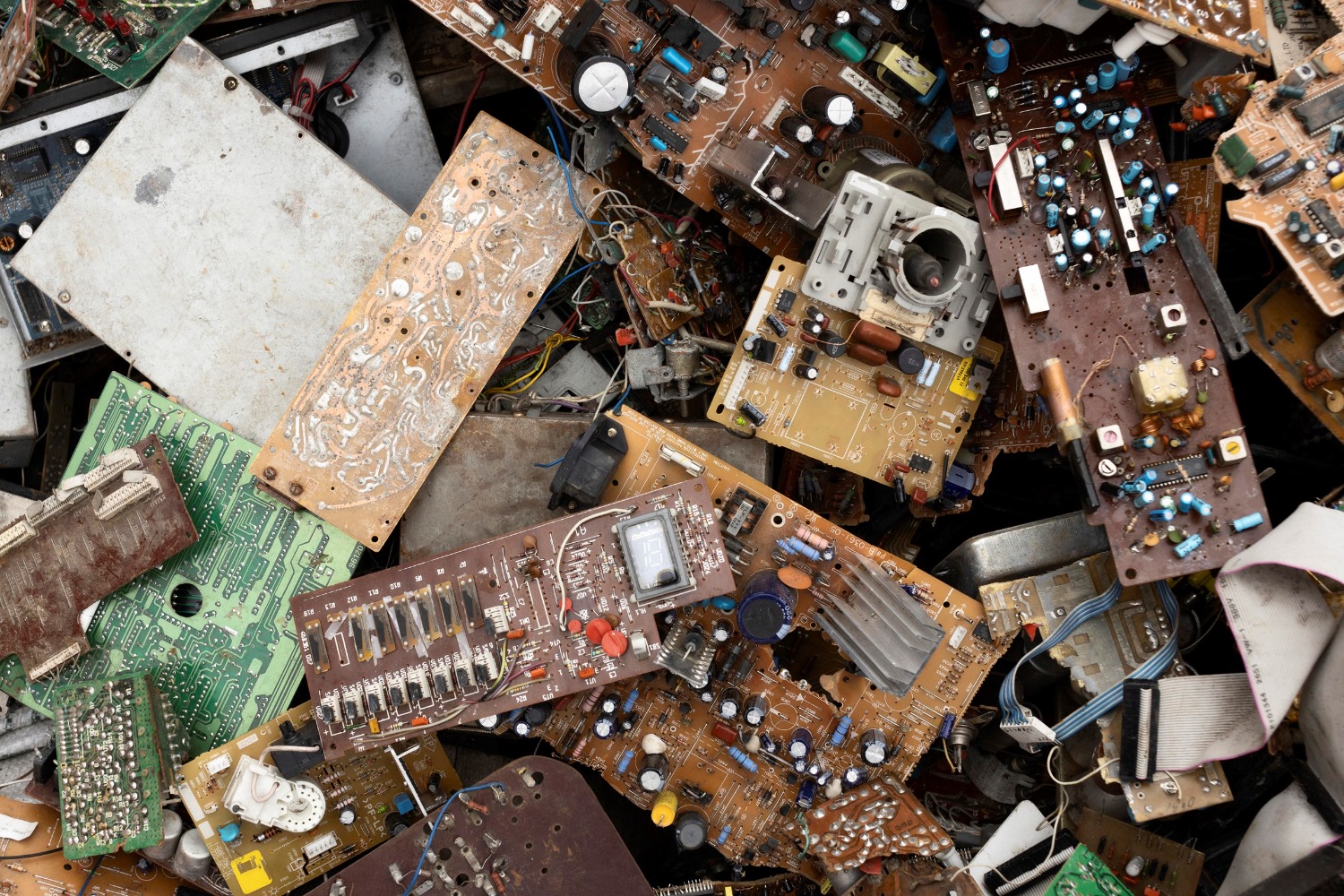
In2tec believes society does not have to accept wastefulness within the electronics industry. Throwaway electronics result in valuable components and vital materials like gold, silver, copper, and rare earth elements being discarded in landfills.
These materials must be replaced, causing untold environmental, financial, and medical damage. Millions of tonnes of ewaste are recycled informally and unsafely, releasing up to 1000 chemical substances into the environment, including dangerous neurotoxicants such as lead.
Many electronic components are designed for more than 25 years of life, but on average, are used for less than 4.5 years. More than a billion mobile phones and 300 million laptops are produced annually. This staggering output contributes to the estimated 347 million tonnes of ewaste on the planet, which is expected to grow to 746 million tonnes by 2030. Yet there is a solution that combines economic and environmental viability – the reuse, repair, and refurbishment of electronics.
Historically, technical challenges have made circularity in the electronics industry expensive. Stress caused to de-soldered components by the reclamation process makes it difficult to conserve viable components, and widely used methods of recovering materials are inefficient, destroy value, and are costly in terms of emissions and energy.
However, embracing tech products designed to be disassembled and modular can slash the consequences of ewaste cost-effectively.
In2tec allows manufacturers to economically and ecologically remove components from ewaste and reuse them with its twin technologies ReUSE® and ReCYCLE™. It also licenses the technology, which means manufacturers can keep the facilities, equipment, and materials they’re using but make products that are modular.
The company’s signature ReUSE® and ReCYCLE™ comprise a closed-loop process allowing manufacturers to remove components from existing electronics at the end of their useful life and reuse them.
ReUSE® is a series of materials, processes and design principles used to manufacture printed circuit board assemblies (PCBAs). ReCYCLE™ is the ultra-low energy process for unzipping PCBAs – the foundation of nearly all technology – to the original bill of materials (BoM).
The technology’s versatility allows global commercialisation and a vast reduction in the overall energy used to manufacture and process when it reaches its end of life – something that is impossible when using conventional circuit board processes or materials.