Industry professionals have noticed a significant shift in construction career paths, with job moves increasingly replacing long-term internal progression as the primary route to advancement. This trend comes amid a tightening labour market, with entry-level roles now accounting for just over a fifth of UK job vacancies, while the sector faces a continuing skills shortage.
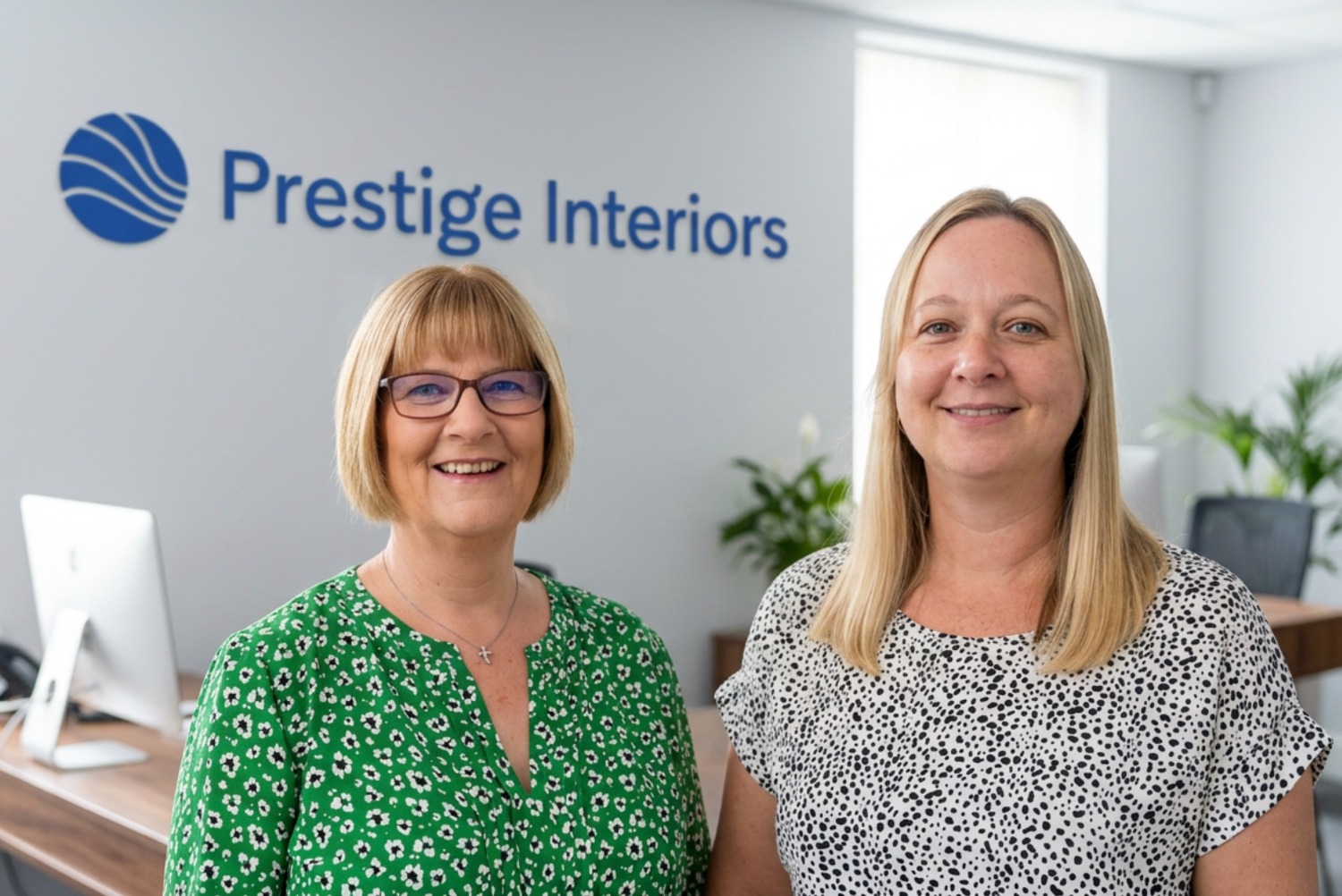
Directors at Prestige Interiors say the traditional model of joining at a junior level and progressing steadily within a single business is now far less common.
Fiona MacMillan and Victoria Beacham, who both started their careers in the 1990s, have more than 30 years’ experience across multiple project types, economic cycles, and business structures. They say the shift has been gradual but significant.
“When we started, progression was much more structured,” said Fiona. “You joined, learnt on site, and developed over time within the same company. That pathway isn’t as visible as it once was.”
Both directors have observed a sustained move toward external moves as the main route to career advancement.
“Earlier in our careers, it was typical to build experience within one business,” said Victoria. “Now, moving between companies is often the quickest way to step up.”
This trend is particularly evident in regions such as the South East, where skills shortages remain acute and experienced workers are in high demand. The shift has implications for how skills are developed in a sector that relies heavily on continuity, site experience, and long-term knowledge building.
“As structured entry points have declined, people are finding alternative ways to progress,” Fiona added. “That often means moving roles rather than developing internally.”
Both directors note that their own careers, shaped by long-term development, mentoring, and hands-on experience, reflect a model that is becoming less typical in today’s industry.
“Construction depends on experience built over time,” Victoria added. “How that experience is gained is changing, and the industry is having to adjust to meet it.”
For more information, visit www.prestigeinteriors.co.uk.