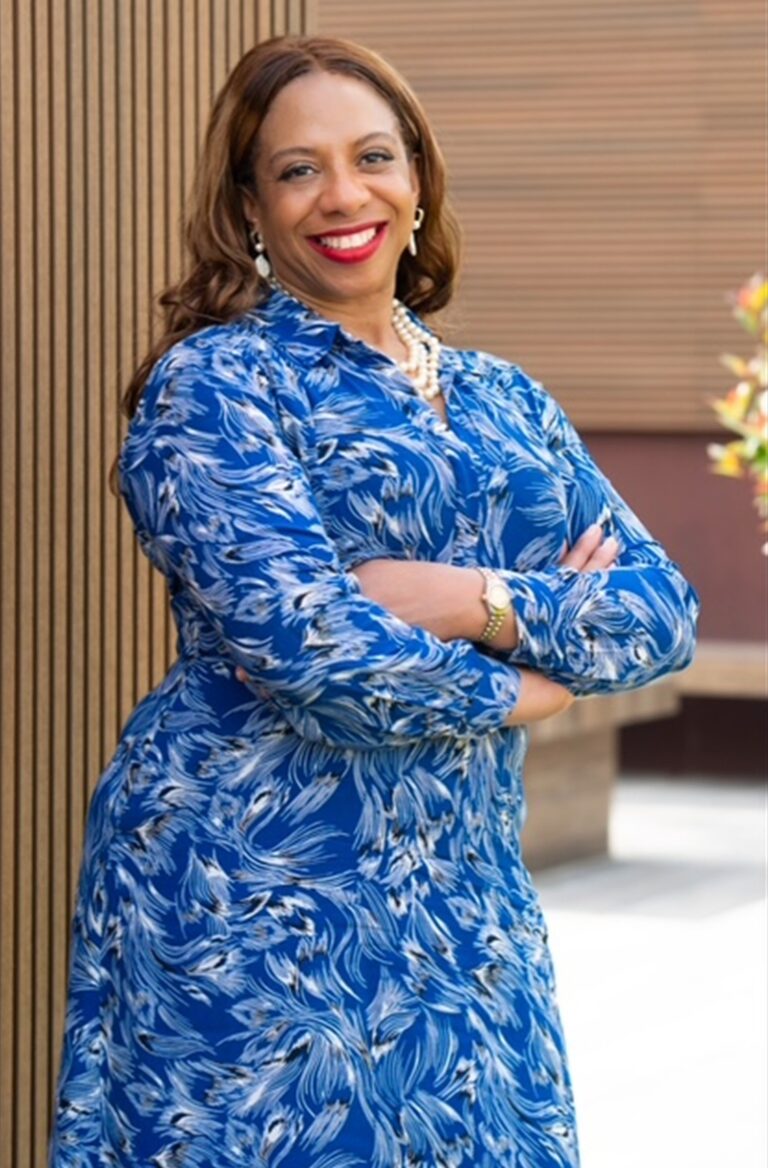
The founder of a prominent home care company in the south west of England is highlighting growing concerns about winter health risks for older and vulnerable people. Ewelina Wiesner, Founder of SilverStars Care, is drawing attention with clients and staff to the NHS warning of of an unusually severe and prolonged flu season.
According to NHS England chief executive Sir Jim Mackey and Health Secretary Wes Streeting, the country is facing a long, drawn out flu season and there is “no doubt” that this winter will be one of the toughest the health service has faced. BBC News reports that more than 13 million people have received the flu vaccine so far this year, but uptake remains more than five million lower than the number vaccinated last winter.
Further BBC reporting shows the NHS is facing what it has described as its “worst case scenario”, with the number of people in hospital with flu rising by 55 per cent in a single week. NHS England has warned that between 5,000 and 8,000 hospital beds could be filled with flu patients by the end of the week. While senior health leaders have noted that the situation remains within the NHS’s operational capability, experts at the King’s Fund have described the pattern of unrelenting winter flu waves as increasingly concerning.
Impact on older and vulnerable people
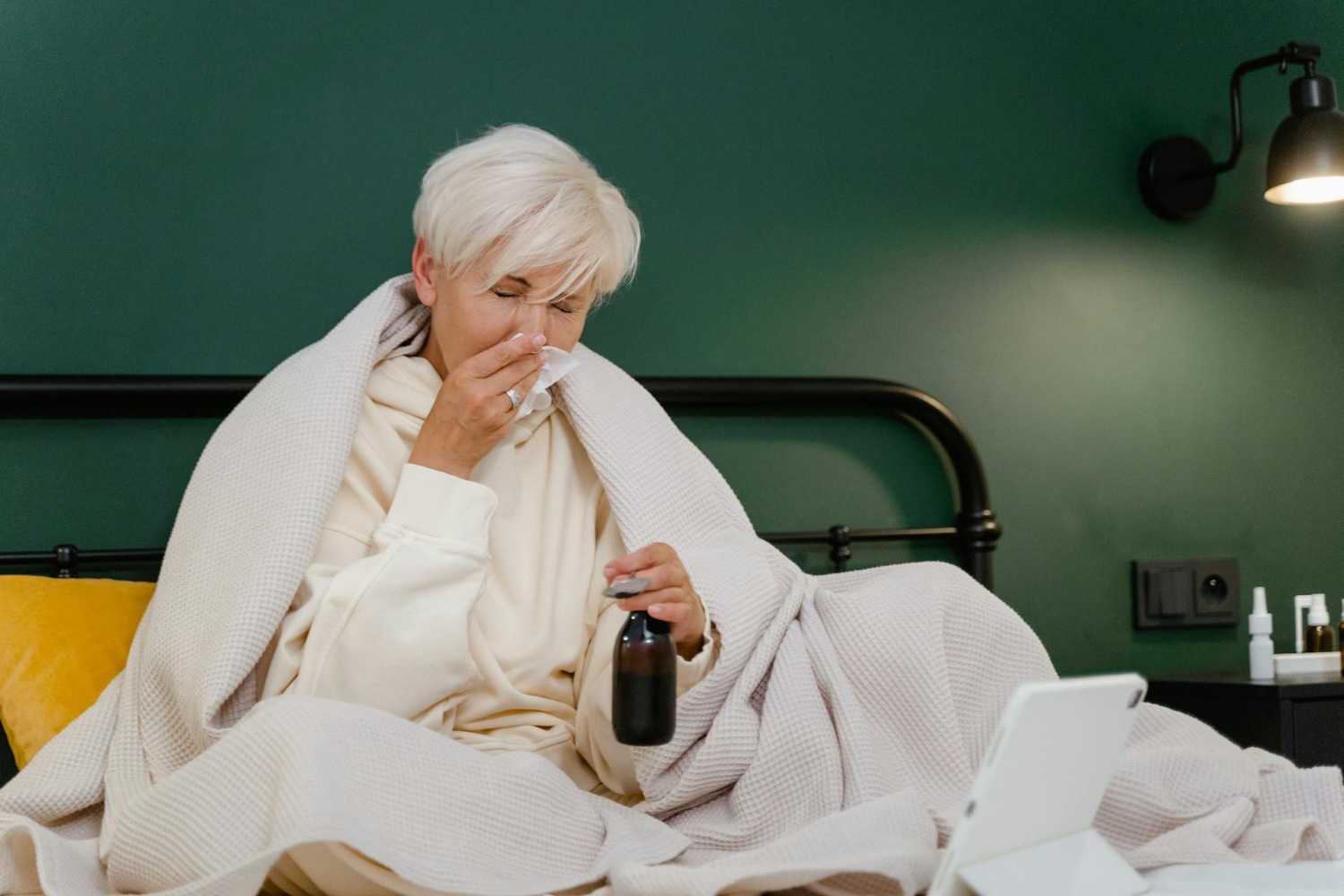
Wiesner advises these developments present significant additional risks for older people, particularly those living with chronic health conditions or reduced mobility. Seasonal flu can exacerbate respiratory and cardiac conditions, increase frailty and heighten the likelihood of hospital admission. When combined with cold indoor temperatures, low daylight, loneliness and reduced appetite, the winter period can place substantial strain on older adults living alone or without regular support.
Cold homes also remain a serious public health concern, she expands. Poorly heated environments can worsen respiratory illness and increase the likelihood of hypothermia. Rising energy costs mean some older adults may delay heating or reduce meal portions in order to manage rising household bills, increasing vulnerability during periods of severe cold and illness.
Role of structured home support
Home based and live in care can help reduce pressures on the health service by supporting older individuals to remain safe and well at home. Key areas of support include:
- Maintaining warm, safe indoor environments and monitoring heating use
- Supporting nutrition, hydration and daily routines that protect immunity
- Monitoring symptoms, identifying early deterioration and supporting medication routines
- Reducing isolation during shorter, darker days
- Supporting rehabilitation at home after illness or hospital discharge
These interventions can reduce avoidable hospital admissions, help manage seasonal illness and support recovery within the home environment.
Call for early winter planning
Wiesner is urging families and communities to plan early, stay informed about winter health risks and ensure older relatives have appropriate support in place. With the NHS facing a challenging flu season, early preparation can help protect those most vulnerable to illness and cold weather.