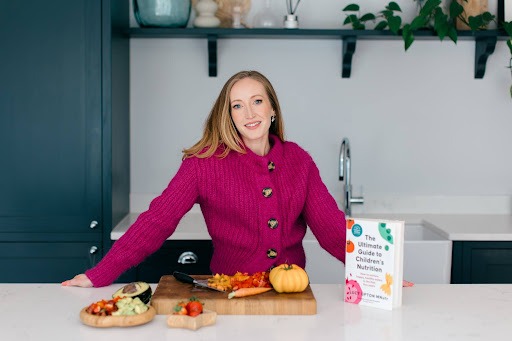
The World Avocado Organisation partners with child nutrition expert Lucy Upton, exploring how avocados are becoming a go-to ingredient for modern family life.
As families continue to juggle busy schedules, the reality of eating well doesn’t always match the ideal. Between rushed mornings, lunchboxes and after-school activities, the World Avocado Organisation (WAO), in partnership with registered dietitian and child nutrition expert Lucy Upton, is encouraging families to focus on simple, everyday ingredients that can make a real difference to nutrition without adding complexity to daily routines. Among them, avocados stand out as an easy, versatile and nutrient-rich addition to family meals.
With school routines, work commitments and the challenge of preparing meals that suit both children and adults, avocados offer a practical and adaptable solution. Their creamy texture and mild flavour make them widely appealing, while fitting effortlessly into everything from breakfasts and lunchboxes to quick weekday dinners.
Avocados provide fibre, heart-friendly fats and vitamins and minerals, including folate (vitamin B9), vitamins C, E, and K, as well as potassium. Half an avocado provides around 4.6 g of fibre and 345 mg of potassium, alongside significant amounts of vitamins B9, C, E, and K, making it a nutrient-dense option for children. These nutrients contribute to healthy growth and development, while helping children move closer to their daily fibre and micronutrient recommendations, all without requiring specialist shopping or extra preparation time.
These nutrients support normal energy metabolism, immune function and overall wellbeing. The combination of healthy fats and fibre also contributes to satiety, helping both children and adults feel fuller for longer during busy days when regular meal patterns can easily be disrupted.
According to Upton, one of the biggest nutritional challenges facing UK families today is fibre intake and the causes are structural rather than a failure of effort.
“Fibre is absolutely the nutrient of the moment,” says Upton. “When it comes to children falling short of this key nutrient, it isn’t because parents aren’t trying. Ultra-processed foods have increasingly become the backbone of many family diets and, by their nature, they tend to be lower in fibre.”
“Time, cost and inspiration are probably the three things I hear parents talk about most,” she explains. “When budgets are tight, the cheaper, more calorie-dense options understandably win.”
The Food Foundation’s Broken Plate 2025 report found that households with children in the most deprived fifth of the population would need to spend up to 70% of their disposable income to afford the government-recommended healthy diet, a figure that underlines just how real these barriers are. A growing body of nutrition research continues to highlight the role of nutrient-dense foods in supporting heart health and contributing to balanced diets, making accessible, versatile ingredients all the more important for families navigating these pressures.1
For Upton, better nutrition doesn’t need to mean reinventing the way families eat.
“There’s a widespread myth that eating well requires a complete overhaul of how a family eats, but in my experience, it really doesn’t,” she says. “Small, consistent additions to the meals you’re already making can shift nutritional intake far more than most parents expect.”
Upton refers to this approach as “nutrition by addition“, which encourages parents to think about what can be added to familiar meals rather than focusing on restriction.
“Adding mashed avocado to toast instead of butter is a realistic change that adds up over time,” she explains.
A simple change with everyday impact
Adding avocados to family meals doesn’t require complicated recipes or extra preparation time. From spreading mashed avocado on toast at breakfast, to adding slices into sandwiches, salads or pasta dishes, the fruit adapts effortlessly to a wide range of meals and works well in both savoury and sweet recipes, making it an easy and versatile addition to children’s diets.
For younger children, avocados can be mashed into smooth textures suitable from weaning age. They are also one of the first fruits commonly introduced in baby-led weaning, as their naturally soft texture makes them easy for babies to grasp and self-feed. Older children can enjoy them in pizza, pancakes, cakes, pasta or smoothies. Their versatility makes them an easy way to introduce more nutrients into familiar dishes without resistance at the table.
“Avocados are one of those foods I recommend to parents regularly because they punch well above their weight nutritionally,” says Upton. “They provide healthy fats that support energy and brain development, alongside fibre and important micronutrients including folate, potassium and B vitamins.”
She also reassures parents that introducing nutrient-dense foods needn’t become a battle.
“The goal isn’t a perfectly balanced plate at every meal,” she says. “It’s about building a broad, varied diet across the week with small improvements layered in gradually.”
Research shows children often need repeated exposure to a new food before accepting it, and Upton is clear that those exposures don’t all have to involve eating. Seeing food on the plate, touching it or watching someone else eat it all count.
A natural fit for modern family routines
As more households look for realistic ways to eat well, avocados are becoming an increasingly reliable kitchen staple. Their combination of nutrition, convenience and versatility makes them particularly well-suited to the pace of modern family life.
For families looking to improve weekday eating habits, Upton recommends practical strategies such as meal planning, batch cooking and keeping cupboards stocked with flexible staples including wholegrains, pulses, frozen vegetables and healthy fats.
“If you’re trying to balance convenience with healthy eating, start with just one thing,” she says. “Switch to wholemeal bread or pasta, add beans to a family meal or include avocado in sandwiches instead of butter. Small steps add up quickly.”
To support families looking for simple meal inspiration this summer, the World Avocado Organisation is sharing a range of practical and nutritious avocado recipes designed to fit easily into busy family routines.
1 The Food Foundation, The Broken Plate 2025, April 2025. foodfoundation.org.uk
Avocado Pizza with Rocket
Serving: 2 people
Ingredients
- 2 avocados
- 2 pizza bases (store-bought)
- 150 g pizza sauce
- 2 mozzarella balls (125 g each)
- 25 g rocket
Method
- Preheat the oven to 220ºC. Place the pizza bases on the baking tray. Spread the pizza sauce over the bases. Tear or slice the mozzarella. Top the pizza with the mozzarella and sprinkle with salt and pepper to taste.
- In the preheated oven, bake the pizzas for 8-10 minutes until golden brown and done.
- Halve the avocados, remove the pits and peel off the skin. Cut the avocado into slices.
- Place the pizzas on two plates. Divide the slices of avocado over the pizza and sprinkle the rocket over the top.
Avocado and Pistachio Ice Cream Bites
Serving: 8 portions
Ingredients:
- 3 ripe avocados
- 1 cup cottage cheese
- 100 g pistachios
- 1 teaspoon vanilla
- Lemon juice
- Melted chocolate
- Chopped pistachios
Method:
- Soak the pistachios (15 min)
- Pitt and soak the dates (15 min)
- Drain the dates and pistachios and prepare to mash together with the avocado, cottage cheese, vanilla and the juice of 1 lemon
- Blend all the ingredients
- Pour the mixture into molds.
- Freeze for at least 4 hours.
- Cover with previously melted chocolate (you can add a small tablespoon of olive oil or coconut oil to achieve a better texture and make it solidify better).
- Before cooling, you can decorate to taste, such as chopped pistachios.