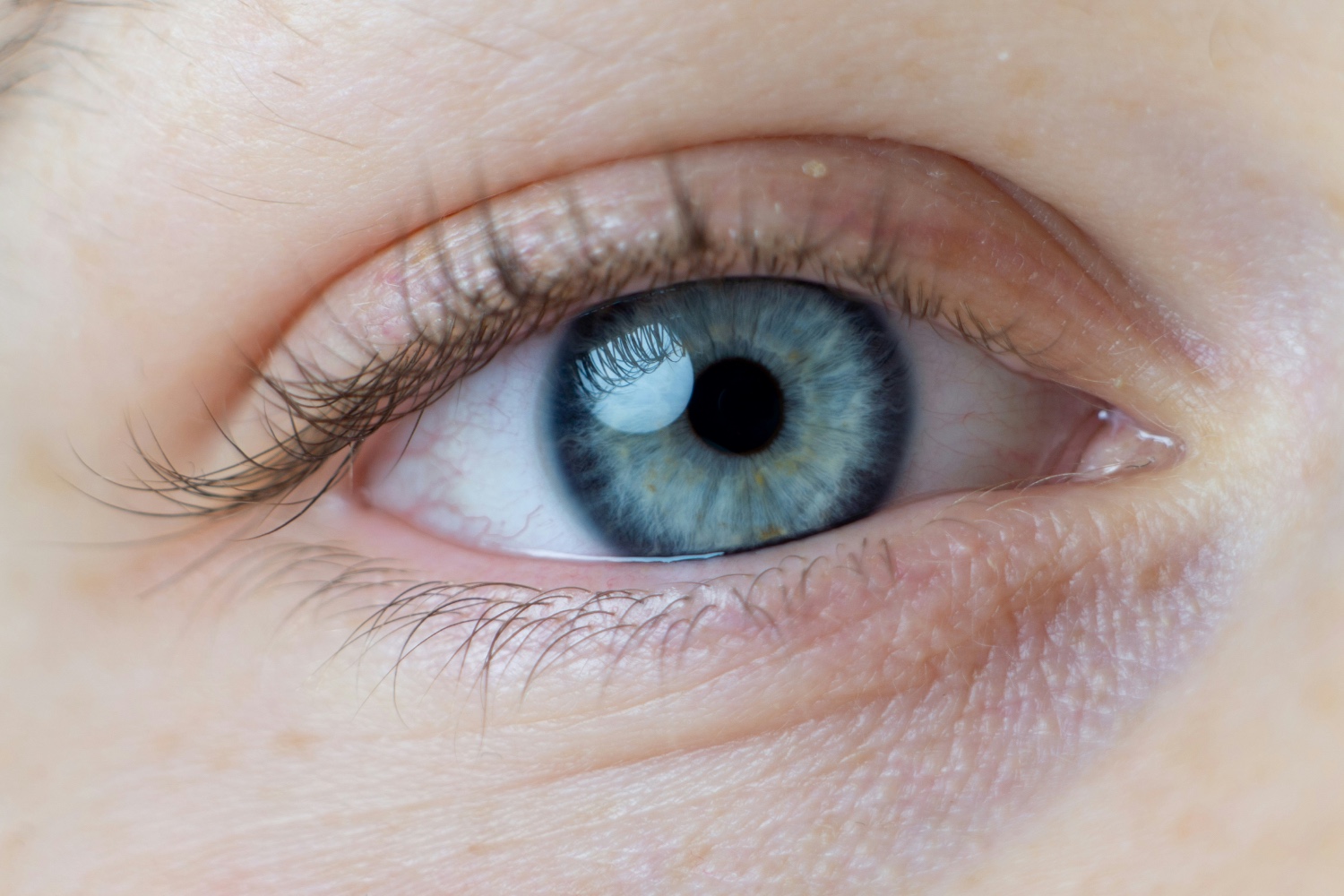
EyeCool Therapeutics today announced the publication of a prospective study evaluating its investigational ophthalmic cooling device, ETX-4143, for the treatment of chronic ocular surface pain (COSP). The positive findings further support the development of precision ocular cooling as a potential new therapeutic category for chronic ocular surface pain, demonstrating that a single in-office treatment was associated with significant reductions in ocular pain for up to 12 weeks while preserving corneal nerve morphology and ocular surface health.
The study, “Impact of an Ophthalmic Cooling Device on Corneal Immune and Sensory Nerve Features in Chronic Ocular Surface Pain: A Prospective, Feasibility Study,” evaluated the safety and biological effects of ETX-4143 in adults with chronic ocular surface pain. In this prospective paired-eye feasibility study, five participants received a single 4-minute treatment in their more symptomatic eye using the investigational cooling device, while the fellow eye served as an untreated control. Participants were followed for 12 weeks with comprehensive clinical assessments and advanced corneal in vivo confocal microscopy. See full research paper.
Relative to baseline, ocular pain severity was significantly reduced at 2, 6, and 12 weeks following treatment, with maintained effect over time. Clinical assessments demonstrated that visual acuity, tear osmolarity, corneal sensitivity, ocular surface integrity, and corneal nerve morphology remained stable throughout the study, supporting the favorable safety profile of ETX-4143.
Notably, use of the advanced functional in vivo confocal microscopy (Fun-IVCM) technique for exploratory endpoints revealed changes in corneal immune cell behavior following treatment. Investigators observed increased motility of putative intraepithelial T cells during the early post-treatment period, followed by reductions in both T-cell motility and dendritic cell probing behavior at 12 weeks. These findings suggest that localized cooling adjacent to the cornea may influence corneal immune dynamics, although the authors note that these observations are only exploratory and hypothesis-generating at this point.
The study concluded that, within this participant cohort, ETX-4143 had indicators of a favorable safety profile while improving pain outcomes and modulating corneal immune dynamics through 12 weeks after treatment. The authors noted that larger, randomized controlled trials are warranted to further evaluate the clinical efficacy, durability, and mechanisms of treatment.
Together, these findings strengthen the scientific rationale for precision ocular cooling as a distinct therapeutic approach for chronic ocular surface pain, a condition for which there are currently no FDA-approved treatments.