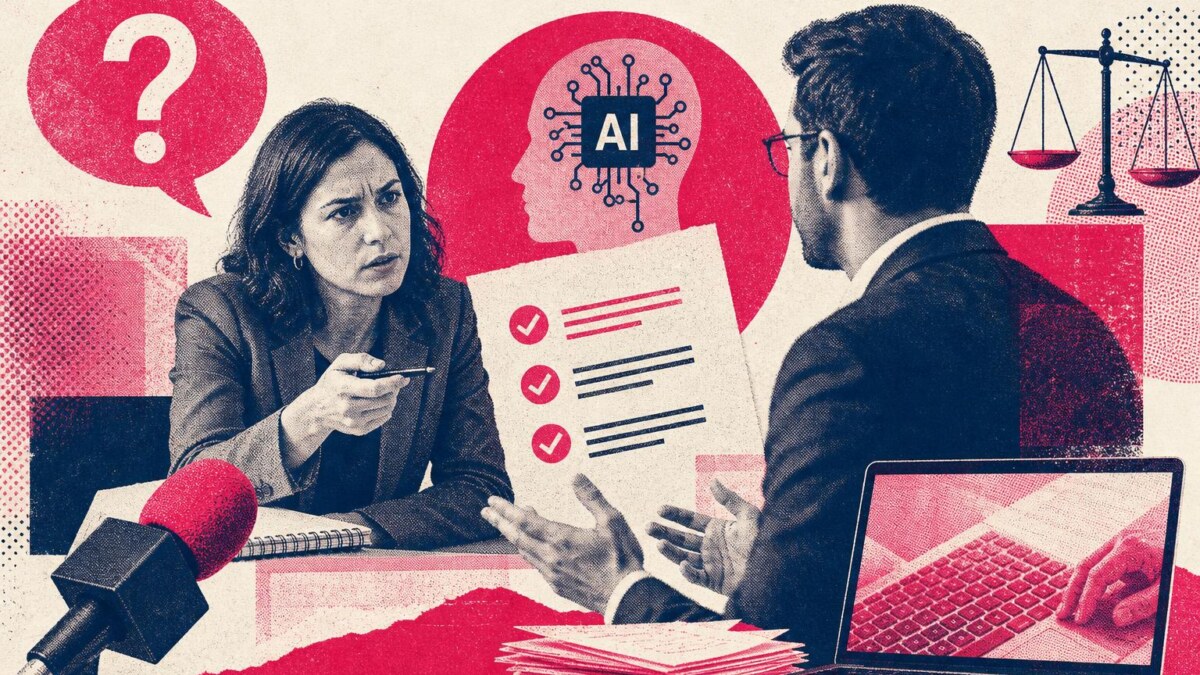
Artificial intelligence tools have become part of everyday workflows in many professions, including public relations. They help with drafting, editing, summarising and ideation. But when a reporter publicly calls out a PR practitioner for using AI, it raises important questions about transparency, professionalism and how PR professionals should approach the use of AI in communications. Navigating that situation thoughtfully can protect relationships, maintain credibility and ensure that technology is used responsibly rather than reactively. The following sections explore what actions make sense when faced with this scenario, how to think about AI in PR, and how to maintain trust with media contacts.
How should you respond when a reporter calls you out for using AI?
If a reporter points out that part of your work was generated with AI, the first step is to respond calmly and professionally. A direct, respectful acknowledgement can defuse tension and show that you are not defensive. Focus on the quality and accuracy of the information, rather than the tools used. Clarify any misunderstandings, correct factual errors if present, and reinforce that your priority is to provide reliable, relevant content. Demonstrating a balanced, responsible approach reassures the reporter that your intention is collaboration rather than manipulation.
Does using AI in PR need to be disclosed to journalists?
There is no universal rule that PR professionals must disclose every piece of AI‑assisted work, but transparency goes a long way in building trust. If AI has been used to draft quotes, block text, summaries or other elements, make sure you have reviewed and edited the content for accuracy, tone and context before sending it to a journalist. If a reporter specifically asks about your process, answer honestly but emphasise that all final content has been vetted and shaped by you to ensure it meets professional and ethical standards. The focus should remain on the quality of the information and its relevance to the story.
What are the risks of not addressing the issue directly?
Ignoring or deflecting when a media contact calls out AI use can escalate suspicion or erode credibility. Journalists value clarity and accountability, and they may interpret silence or evasiveness as a lack of professionalism. Failing to address concerns head‑on can harm long‑term relationships and make future outreach less effective. By engaging directly and constructively, you demonstrate respect for the journalist’s perspective and reinforce your commitment to responsible communication.
How can you use AI responsibly in your PR workflow?
Using AI responsibly means treating it as a tool — not a replacement for expertise. AI can help with initial drafts, summarising complex material, suggesting alternative wording, or organising information, but the final responsibility for accuracy, context and quality rests with you. Review all AI‑generated output carefully, remove errors, tailor it to the audience and ensure that it aligns with factual information and the client’s messaging strategy. Responsible use reflects well on your role as a communicator and reduces the likelihood that a reporter will have reason to question your professionalism.
How does honesty affect your relationship with the media?
Honesty is a cornerstone of effective media relations. Journalists are more likely to work with communicators who are transparent about their process, reliable in their responses and accurate in their information. When you acknowledge that a tool was used but emphasise the human oversight and final editorial control, it reinforces that your work is credible and grounded in professional judgement. This approach fosters trust and opens the door for constructive future interactions.
What is the broader impact of AI on PR practices?
AI is reshaping many aspects of public relations, from drafting press materials to analysing media coverage and generating insights. The industry is moving toward a model where practitioners leverage AI for efficiency while retaining strategic oversight and ethical standards. Understanding how to integrate AI thoughtfully and communicate about it clearly positions PR professionals to benefit from technological advances without sacrificing credibility. The tools themselves are less significant than how they are used and communicated about in professional contexts.
What should PR professionals focus on moving forward?
PR professionals should prioritise quality, accuracy and ethical use of technology. Whether you are using AI for ideation, drafting or research, your role as the final curator of content is what ultimately matters. Maintain open communication with journalists, be transparent when appropriate, and ensure that every piece of content you share has been checked and crafted with care. By balancing innovation with accountability, you strengthen both your own reputation and the trust that media contacts place in you.