In today’s hyper connected world wealth attracts attention and not always the good kind. Rather than targeting highly protected corporate networks, cybercriminals have turned their focus onto people they see as softer targets, including high net worth individuals, many of whom are far easier to infiltrate electronically than businesses, according to insurance experts, Everywhen.
Dean Walsgrove, Personal Lines Director at Everywhen says: “For these individuals, it’s not just their wealth on the line, it’s their reputation and personal data. As a high-net-worth individual’s influence and public exposure grows, they become more of a target.”
Whether it is a suspicious login attempt or a full-scale data breach, today’s modern world means wealthy individuals must be more vigilant than ever to avoid being targeted. Many people use social media to share their lives, and with the influencer market so lucrative, plenty of high-net-worth individuals enjoy showcasing their lifestyle online.
Children or family members who are active on social media can put privacy at risk even if their parents avoid it. Publicly sharing daily life, even unintentionally, creates the risk of a cybercriminal building a picture of the life and routine of high-net-worth individuals. The consequences can be far reaching, from home thefts, when criminals know the owners are away, to deepfake technology being used for impersonation, potentially damaging to reputations.
Everywhen’s Darren Walsgrove continues: “In my experience, private client executives and underwriters often look at someone’s online presence when offering a quote. They’ll check whether photos of valuable items have been posted, holiday updates shared, or anything that reveals that the home is empty. It’s a simple step, but it shows just how much someone’s digital footprint can influence their overall risk.
“They may also check if a potential client has publicised any views that could incite a problem. They could be political, racial or something else. When it comes to insurance, being outspoken on social media may not induce a good rating factor and can attract the wrong kind of attention.”
The financial sector has recently sharpened up its response to rising cybercrime. Banks and regulators in several markets have taken a more active role in reimbursing victims of digital fraud. Payment of ransoms is being discouraged in favour of improving resilience.
Over-reliance on smart home technology
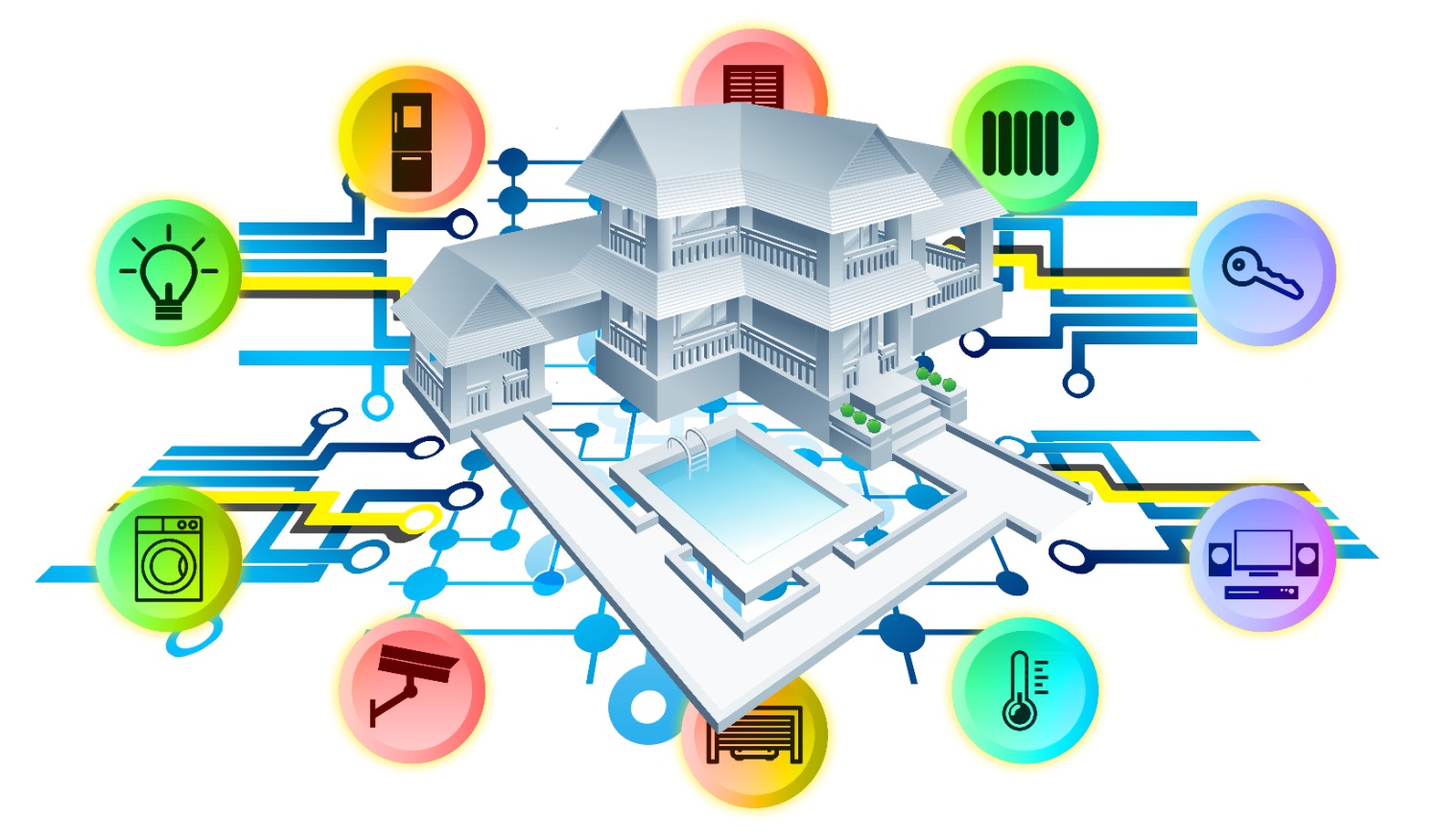
As homes become increasingly ‘smart’, the devices used to control cameras, lights, heating, alarms etc all have the potential to be hacked, providing the means to unlock doors, disable alarms and even access cameras. The UK has started taking this seriously with the introduction of the Product Security and Telecommunications Infrastructure regime, in April 2024, making us one of the first countries to impose legally binding cybersecurity requirements on consumer smart devices. This means that manufacturers can no longer ship devices with easily guessed default passwords and must prompt users to create unique login credentials. They’re also required to publicly commit to minimum firmware update periods.
That said, burglary claims are still driven by far simpler, more traditional risks. Darren Walsgrove explains: “Many burglaries occur while clients are actually at home and no security has been set, whether that’s when everyone is asleep, or when a young person is left home alone. Social media does not need to know your family’s timetable.”