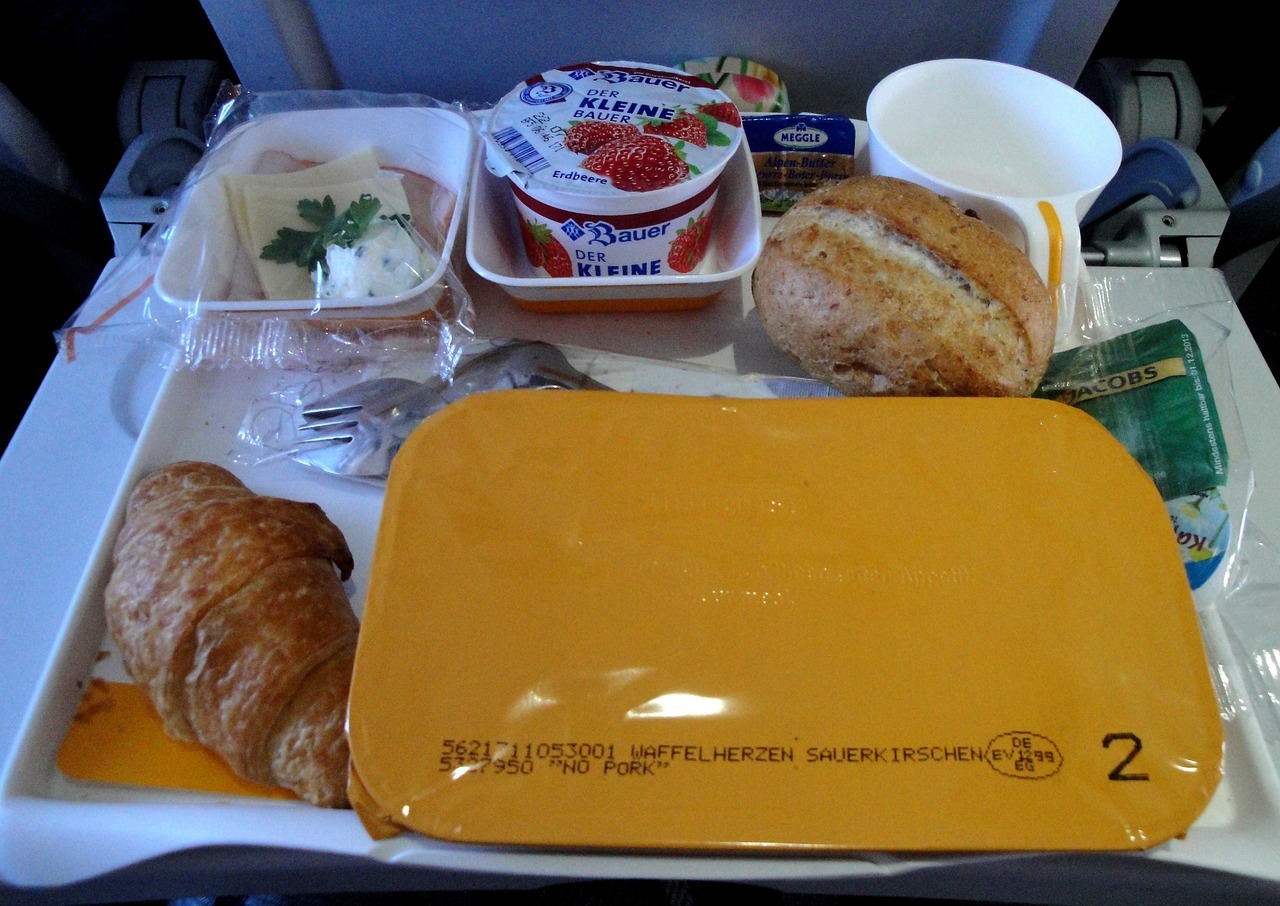
Interest in healthy flying habits is soaring, with UK searches for “What to eat on a flight” increasing by more than 5,000% over the past year as travellers look for ways to feel better while flying.
But what we eat and drink at 30,000 feet can affect everything from dehydration and bloating to energy levels and fatigue.
To help travellers make smarter food choices, Icelandair, Iceland’s flagship airline, spoke with Dr Kezia Joy, a registered nutritionist and medical advisor at Welzo*, to reveal the foods and drinks passengers should consider, and those they may want to avoid, particularly on a long-haul flight.
Many travellers underestimate the impact flying can have on digestion and hydration, Dr Joy explains.
“The air inside a plane cabin is much drier than the air we breathe on the ground, which dries out fluids in the body and contributes to dehydration. Aeroplane cabin humidity is extremely low, increasing moisture loss through respiration and the skin. Even mild dehydration can lead to symptoms such as headaches, dry eyes, fatigue and difficulty concentrating.
In addition, changes in cabin pressure have been shown to delay digestion and produce gas that causes bloating. This contributes to alterations in your sense of taste and smell, which will impact how you enjoy eating and drinking while flying.”
Children can become dehydrated faster than adults, making it especially important for parents to keep an eye on their hydration levels while travelling, Dr Joy adds:
“Parents need to make sure their child is staying hydrated regularly and eating nutrient-rich snacks while travelling. Younger children may also benefit from drinking or feeding during take-off and landing, as this can help relieve ear discomfort caused by changes in air pressure.”
Four Foods and Drinks to Avoid Before and During a Flight
According to Dr Joy, the following foods and drinks are best limited when travelling:
- Alcohol
“Alcohol is among the top drinks travellers should limit, as alcohol will exacerbate dehydration and may adversely impact the traveller’s ability to get a good night’s sleep.”
- Excessive Caffeine
“Too much caffeine during a trip may cause the passenger to be restless and/or disrupt their ability to fall asleep.”
- Heavy, High-Fat Meals
“A high-fat meal will typically take a while to digest, which could cause you to feel heavy and uncomfortable as you sit for an extended period of time. Travelling with a light meal generally provides comfort.”
- Salty Snacks
“Salty snacks increase your thirst and can create a feeling of being dehydrated because of the dry air within the cabin. Although they are high in carbohydrate energy, these items have little or no protein and/or fibre content. Therefore, you will likely feel hungry again soon after consuming them, as well as having an unstable flow of energy.”
The Best Foods to Eat on a Flight
Dr Joy recommends choosing foods that combine protein, healthy fats and fibre to help maintain energy levels and keep hunger at bay.
“Healthy travel foods consist of fresh fruit, veggie sticks, boiled eggs, whole-grain wraps, roasted chickpeas and nuts, as well as protein-rich snack options.
Protein-rich snack foods can provide you with a steady supply of energy and keep you feeling fuller for longer. This is especially beneficial on an aeroplane flight, as your meal times may vary and you will have no control over this. In addition to providing sustained energy and helping maintain satiety, these types of snack foods do not cause wild fluctuations in blood glucose like many other snack products. As a result, they are less likely to cause a “crash” or sudden drop in energy.”
Are Airline Meals Nutritional?
When it comes to airline meals, Kezia says many standard options can provide a
surprisingly balanced choice:
“Flying requires several challenges to the human body; this is due to the lengthy time spent sitting, irregularity in consuming food, inconsistent sleeping patterns and regular alterations in daily routines. Chicken pasta or chicken rice is a common meal choice to eat on the go, as it will give you some carbohydrates with your protein. Carbohydrates can be easily digested and utilised by the body as an immediate source of energy.“
“Additionally, when a meal has a variety of vegetables added to it in addition to the protein and carbohydrates, then this provides a great amount of overall nutritional balance. This is the best way for an individual to keep themselves feeling balanced, energised, and satisfied during travel by taking in well-balanced portions that contain protein, fibre, fats (the good kind), and carbohydrates (complex kinds).”
The Biggest Travel Nutrition Mistakes
Dr Joy adds that the most common travel nutrition mistakes include not drinking enough water and skipping meals:
“The most common errors include inadequate fluid consumption (e.g., not drinking enough water), excessive intake of alcohol, irregular meal times, or use of high sugar foods for a quick fix. All these can be the source of dehydration and unsteady energy levels. Using some thought in planning well-balanced meals, as well as sufficient hydration, will greatly enhance your travel experience.”