New Pharmaceutical Sustainability Guide Tackles Growing Industry Pressures

Editorial Brief
At a glance: AI-assisted overview, optimised for journalists, search & news aggregators

Tunley Environmental has released a new guide to help pharmaceutical and medical device companies address increasing sustainability and environmental expectations. The guide offers a practical roadmap for managing carbon, compliance, product lifecycle, supply chains, and environmental risks, responding to pressures such as NHS procurement and carbon reduction plans. This initiative is significant as it aims to assist the pharmaceutical sector in balancing environmental impact reduction with maintaining patient safety and product quality.

EDITORIAL INSIGHT: Context, industry insight and market perspectives of this news story

With regulatory requirements and stakeholder expectations mounting across the pharmaceutical supply chain, companies in the sector are under pressure to demonstrate credible progress on sustainability. The introduction of a new science-based guide aims to provide practical support for organisations navigating the complex intersection of environmental compliance, procurement standards and product stewardship.

This development is particularly timely for UK-based pharmaceutical and medical device firms, as NHS procurement rules and national net zero targets increasingly shape supplier requirements. The guide’s focus on product lifecycle, supply chain data and environmental risk aligns with current industry challenges, offering a structured approach for businesses seeking to integrate sustainability into operations without compromising quality or compliance.

Story Ideas
Industry trend

Sustainable Pharmaceuticals: A Shift in Industry Practices

With sustainability becoming a focal point, the guide by Tunley Environmental points to a growing trend of integrating eco-friendly practices into pharmaceutical operations. This article could examine how sustainability is reshaping industry practices, focusing on supply chain management, product lifecycle, and governance.

Target audience
trade publications and industry analysts
Story potential
6/10
Regulation

Pharmaceutical Sustainability: Navigating New Regulatory Pressures

The launch of Tunley Environmental's guide highlights the increasing regulatory pressures within the pharmaceutical sector. With references to NHS procurement and specific frameworks like PPN 006 and PAS 2090:2025, journalists can explore how companies are adapting to these new demands and the implications for compliance and operations.

Target audience
journalists covering healthcare policy and regulation
Story potential
8/10
Press Release

02/09/2026

Tunley Environmental has launched a new science-based guide to help pharmaceutical and medical device companies respond to growing sustainability, procurement and product environmental expectations.


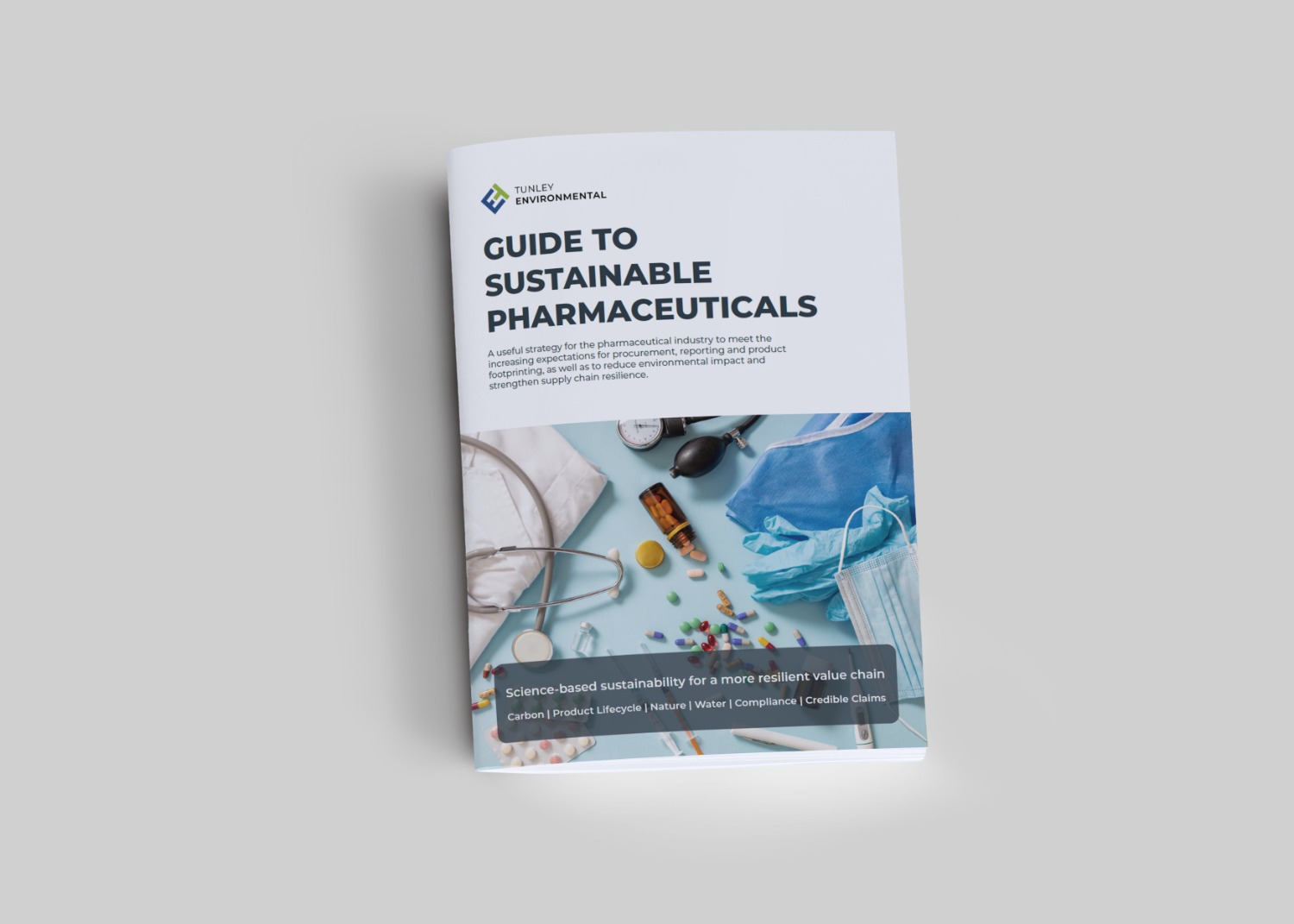
Tunley Environmental has launched its new Guide to Sustainable Pharmaceuticals, providing pharmaceutical and medical device organisations with a practical roadmap for navigating carbon, compliance, product lifecycle assessment, supply chains and environmental risk.


The pharmaceutical sector faces a particularly complicated sustainability challenge. Organisations must reduce environmental impacts while continuing to protect patient safety, product quality, efficacy, regulatory compliance and continuity of supply.


Expectations are increasing around NHS procurement, Carbon Reduction Plans, Scope 3 emissions, product environmental evidence and sustainability claims.


The new guide brings these issues together and explores key pressures currently reshaping pharmaceutical sustainability, including PPN 006, the NHS Net Zero Supplier Roadmap, NHS Evergreen, PAS 2090:2025, growing demand for supply-chain data, and increasing focus on water, pollution, antimicrobial resistance, climate and nature-related risks.


It also sets out six practical pillars for pharmaceutical sustainability:


  • Governance, compliance and patient-first change
  • Carbon, energy and climate resilience
  • Product lifecycle assessment and eco-design
  • Responsible supply chains, water and nature
  • Circularity, materials and waste
  • Evidence, reporting and credible communication


Dr William Beer, CEO of Tunley Environmental, said:


“Pharmaceutical organisations are experience immense environmental expectations from several directions at once. 


This guide gives organisations knowledge on bringing carbon, product evidence, procurement, compliance and supply-chain resilience together into a more coherent sustainability strategy.”


Tunley Environmental supports pharmaceutical organisations, medical device companies and healthcare suppliers across carbon accounting, Product Carbon Footprints, Life Cycle Assessments, Scope 3 engagement, water, nature, climate risk, environmental compliance and sustainability verification.


Download the Guide to Sustainable Pharmaceuticals here: https://www.tunley-environmental.com/a-guide-to-sustainable-pharmaceuticals


About Tunley Environmental – Leeds, UK-based Tunley Environmental is a science-based sustainability consultancy helping organisations understand, manage and reduce their environmental impacts. Its team of PhD-level scientists supports businesses across carbon, life cycle assessment, biodiversity, water and environmental compliance, translating complex data and evolving compliance requirements into tangible action. Working with organisations internationally, Tunley delivers tailored, evidence-based solutions that strengthen strategy, increase progress and create lasting environmental and commercial value.


Notes to editors

Imagery source: Tunley Environmental | Envato Elements

Get more news like this

Get more news like this on Google. Set News By Wire as a ‘Preferred News Source’ to get quicker access to news that’s important.

All done!
Thank you for subscribing.

Email Subscription