Construction employers are being urged to review their respiratory protection arrangements after reports that hundreds of London Underground workers may have been exposed to asbestos without properly face-fitted masks.
Documents reported by The Guardian suggest that some London Underground teams were not issued with face-fitted respiratory protective equipment until as late as 2020, despite potentially encountering asbestos-containing dust.
Transport for London has said that asbestos risk is well managed and that reported exposure levels remain within legal limits. However, construction training specialist Essential Site Skills says the case highlights a much wider lesson for employers: supplying respiratory protective equipment does not automatically mean a worker is adequately protected.
Catherine Storer, Executive Director at Essential Site Skills, said:
“Employers can spend money on high-quality respiratory protective equipment and still leave workers exposed if that equipment is not suitable for the individual wearing it.
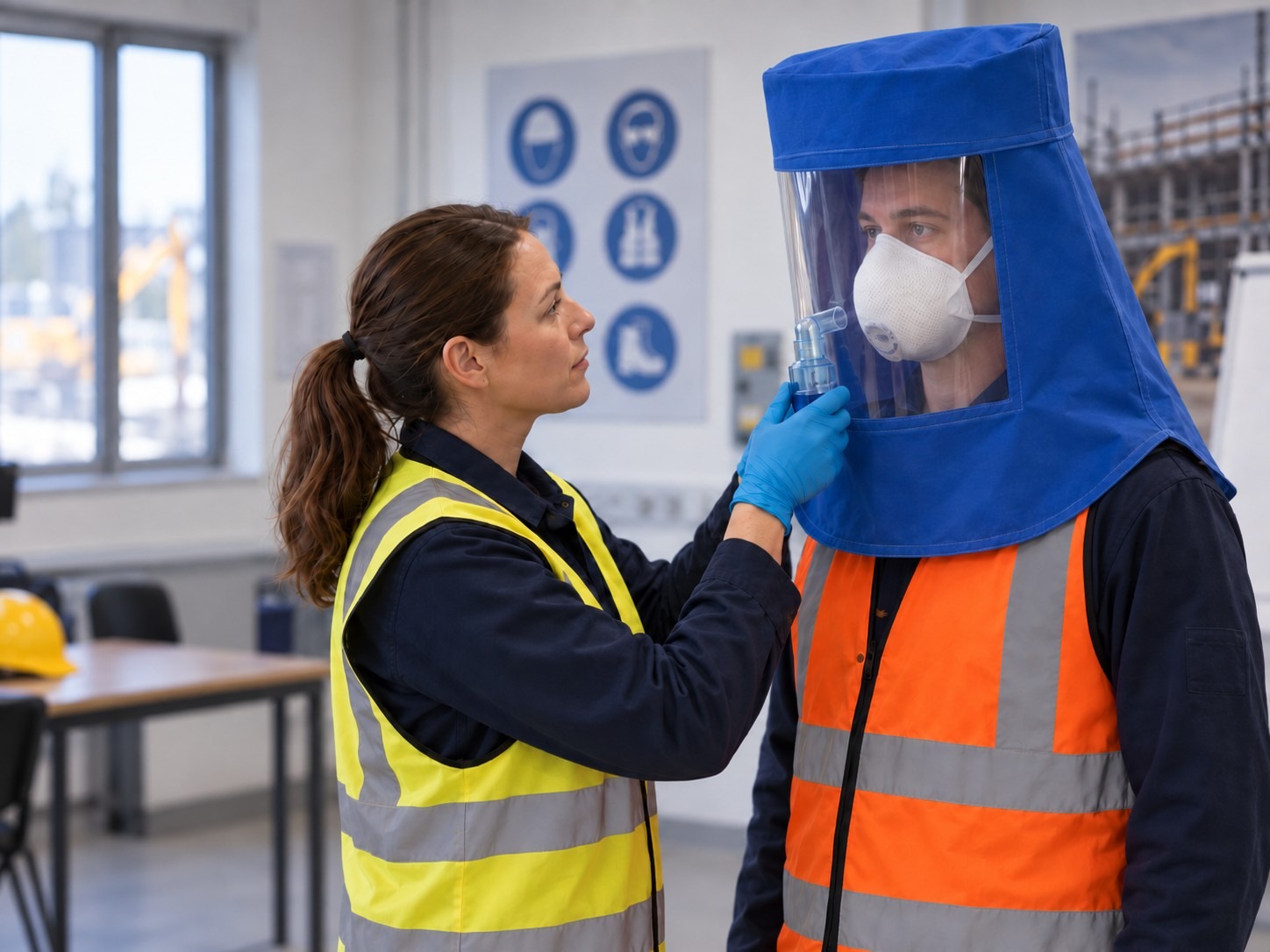
“A tight-fitting respirator relies on creating an effective seal against the wearer’s face. If the mask is the wrong make, model, type or size, or the worker has not been properly face-fit tested, it may not provide the protection expected.
“Issuing a mask is not the end of the process. Employers need to know that the selected respirator fits the individual worker, is suitable for the hazard and is being worn and maintained correctly.”
Face-Fit Testing Remains a Live Enforcement Issue
The warning is not limited to asbestos work.
On 23rd July 2026, the Health and Safety Executive served an Improvement Notice on a construction company after finding no evidence that employees using tight-fitting RPE while exposed to respirable crystalline silica had received face-fit testing.
The notice stated that the company had failed to take all reasonable steps to ensure the equipment was properly used. HSE records confirm that the company subsequently complied with the notice.
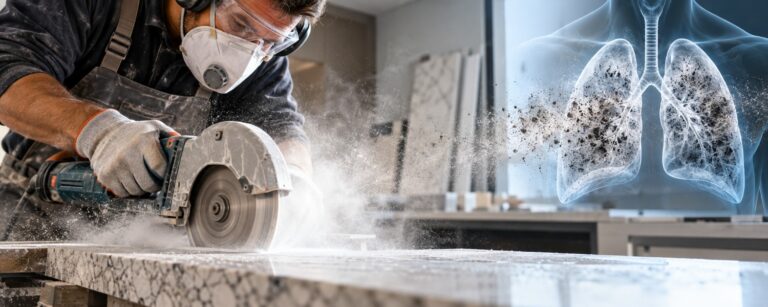
Silica dust is generated by common construction activities involving materials such as concrete, stone, bricks, tiles and mortar. Tight-fitting RPE may also be used to protect workers from asbestos fibres, wood dust and other hazardous airborne substances.
Storer continued:
“The substances may differ, but the principle remains the same: a respirator cannot protect someone effectively if contaminated air is leaking around the seal.
“This is not about blaming one organisation. It is a reminder to every employer using tight-fitting RPE to check whether their arrangements work in practice, rather than assuming that purchasing and distributing masks is enough.
“Fit testing should be treated as part of selecting the correct RPE, not as an optional extra or a piece of paperwork completed after the equipment has already been issued.”
One Mask Will Not Fit Every Worker
HSE guidance states that people have different face shapes and sizes, meaning one type or size of respirator is unlikely to fit everyone.
Where tight-fitting RPE is required, the worker should be tested using the specific make, model, type and size they will wear. If they use more than one type of tight-fitting facepiece, each should be tested.
Testing should be conducted by a competent person with appropriate training, knowledge and experience. A face-fit test is also different from the quick fit check a worker should complete each time a respirator is put on; one does not replace the other.
Facial hair in the sealing area can prevent a tight-fitting mask from forming an effective seal. Where a worker cannot be clean-shaven, employers should consider suitable alternatives that do not rely on a tight face seal.
Five Checks for Construction Employers
Essential Site Skills is encouraging employers to review five areas:
- Selection: Is the RPE suitable for the substance, task and level of exposure?
- Individual fit: Has each wearer passed a face-fit test for the exact make, model, type and size provided?
- Competence: Was the test completed by someone with appropriate face-fit testing training, knowledge and experience?
- Records: Can the business demonstrate who was tested, when the test took place and which respirator passed?
- Ongoing suitability and re-testing: Is there a system for reviewing when another face-fit test is required? Fit2Fit recommends repeat testing every two years as good practice. Testing should take place sooner if the RPE make, model, type, size or material changes, or following weight changes, substantial dental work, facial changes or changes to other head-worn PPE.
The two-year period is an industry recommendation rather than a universal statutory expiry date. Employers should take a risk-based approach and consider whether more frequent testing is appropriate for higher-risk work.
RPE should form part of a wider system of exposure control. It should not be used as a substitute for eliminating hazardous work or controlling dust at source wherever reasonably practicable.
Employers conducting face-fit testing internally should ensure that it is carried out by someone with appropriate training, knowledge and experience. HSE guidance states that RPE fit testing should be conducted by a competent person.
Storer concluded:
“The London Underground report has brought face-fit testing into the headlines, but this is an everyday issue across construction.
“Employers should use this moment to check that workers are not simply being handed a mask, but are being given respiratory protection that has been properly selected, tested and managed.”