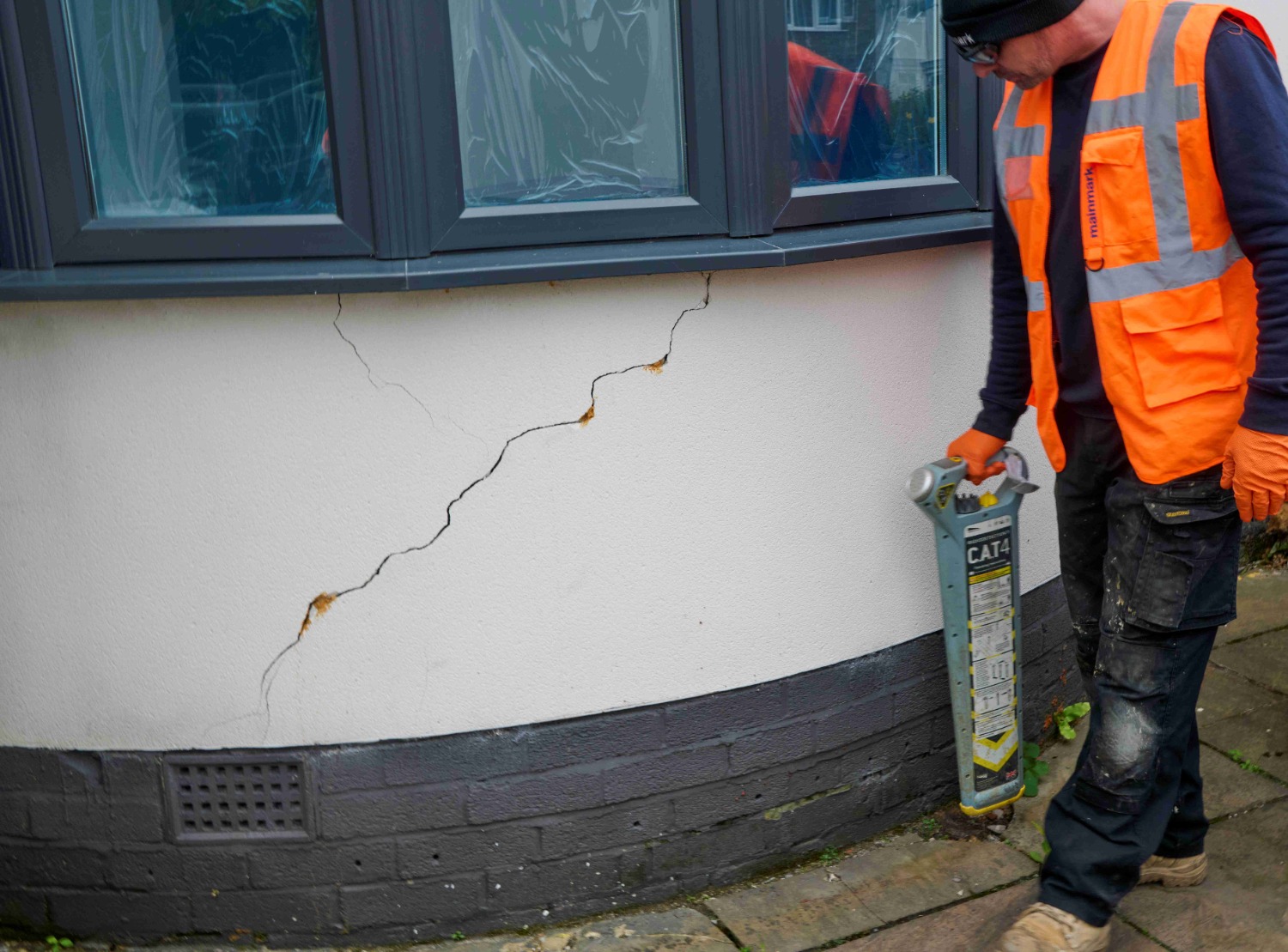
Ground Conditions Emerging as Hidden Climate Risk for Irish Infrastructure

Image credit: Photo provided courtesy of Mainmark UK

Editorial Brief
At a glance: AI-assisted overview, optimised for journalists, search & news aggregators

Mainmark Ireland is urging infrastructure owners in Ireland to consider the hidden climate risk of changing ground conditions, which can lead to subsidence and affect asset performance. Areas like Cork, Co. Dublin, and Meath are particularly vulnerable due to their clay-rich soils, while other regions face risks like sinkholes and landslides. Addressing these issues proactively can help reduce long-term infrastructure costs and improve climate resilience.

EDITORIAL INSIGHT: Context, industry insight and market perspectives of this news story

As Ireland contends with increasingly variable weather patterns, the focus on climate resilience is shifting from visible threats to less apparent but potentially damaging ground conditions. The call for greater attention to subsurface risks comes as climate extremes, including this summer’s record temperatures, highlight the need for more comprehensive asset management strategies within infrastructure sectors.

For infrastructure owners, the practical relevance is clear. Unchecked ground movement and subsidence can undermine asset performance and lifespan, particularly in regions with known geological vulnerabilities. With localised incidents already affecting properties and public infrastructure, the issue is likely to remain on the agenda for asset managers, engineers and policymakers tasked with safeguarding Ireland’s built environment.

Story Ideas
Economic impact

The Economic Cost of Neglecting Ground Conditions in Infrastructure Planning

Analyse the potential economic repercussions of failing to address subsidence and other ground-related issues in infrastructure projects. Discuss the implications for asset longevity and maintenance costs.

Target audience
business and economic journalists
Story potential
6/10
Politics/policy

Subsidence Threats in Ireland: Are Local Authorities Prepared?

Investigate whether local governments in affected areas like Cork, Co. Dublin, and Meath are equipped to address subsidence and sub-structural movement due to changing ground conditions. Evaluate current policies and readiness measures in place.

Target audience
reporters covering local governance and policy
Story potential
7/10
Press Release

With Ireland experiencing its fourth hottest June in 127 years, specialist ground engineering expert Mainmark Ireland is urging Ireland’s infrastructure owners to look beyond visible climate risks and consider the changing ground conditions beneath their assets.

Variable weather conditions, including prolonged rainfall and drought, can impact soil behaviour and contribute to issues such as void formation and ground movement. But this often receives far less attention and if not addressed, subsidence can affect asset performance and reduce the longevity of infrastructure.

Notably areas such as Cork, Co.Dublin and Meath face subsidence and sub-structural movement due to the foundations being made up of compressible, clay-rich soils. Ireland’s varied geology also puts it at a higher risk of sinkholes in limestone-heavy areas, erosion and washout in flood-prone lowlands and coastal zones. Its granite and sandstone uplands can experience landslides and ground slips in prolonged weather, which was evident with the landslide in South West Donegal earlier this year.

Compared to the UK, where subsidence is largely driven by clay shrinkage and swelling, Ireland is more likely to experience less predictable and potentially more severe subsidence in localised areas. Ireland has already experienced high-profile examples of ground-related issues. This includes a Donegal housing estate nicknamed the ‘Titanic’ being impacted by subsidence and a family having to leave their home after a sinkhole appeared due to a burst pipe.

Mainmark Ireland, led by Ireland Director Ray Brennan, is supporting asset owners across the region in addressing these ground-related risks. He believes the industry the industry needs to broaden its approach to climate resilience planning.

Brennan said: “While some ground-related issues may appear overnight, many emerge gradually, through settlement, void formation or changing groundwater conditions, before becoming visible at the surface. By taking a more proactive approach to understanding and addressing ground-related risks, infrastructure owners can reduce whole-life costs of their infrastructure.”

Mainmark Ireland is a subsidiary of the Mainmark group of companies. Alongside Ireland, Mainmark also operates in UK, Australia, New Zealand and Japan.

Get more news like this

Get more news like this on Google. Set News By Wire as a ‘Preferred News Source’ to get quicker access to news that’s important.

All done!
Thank you for subscribing.

Email Subscription