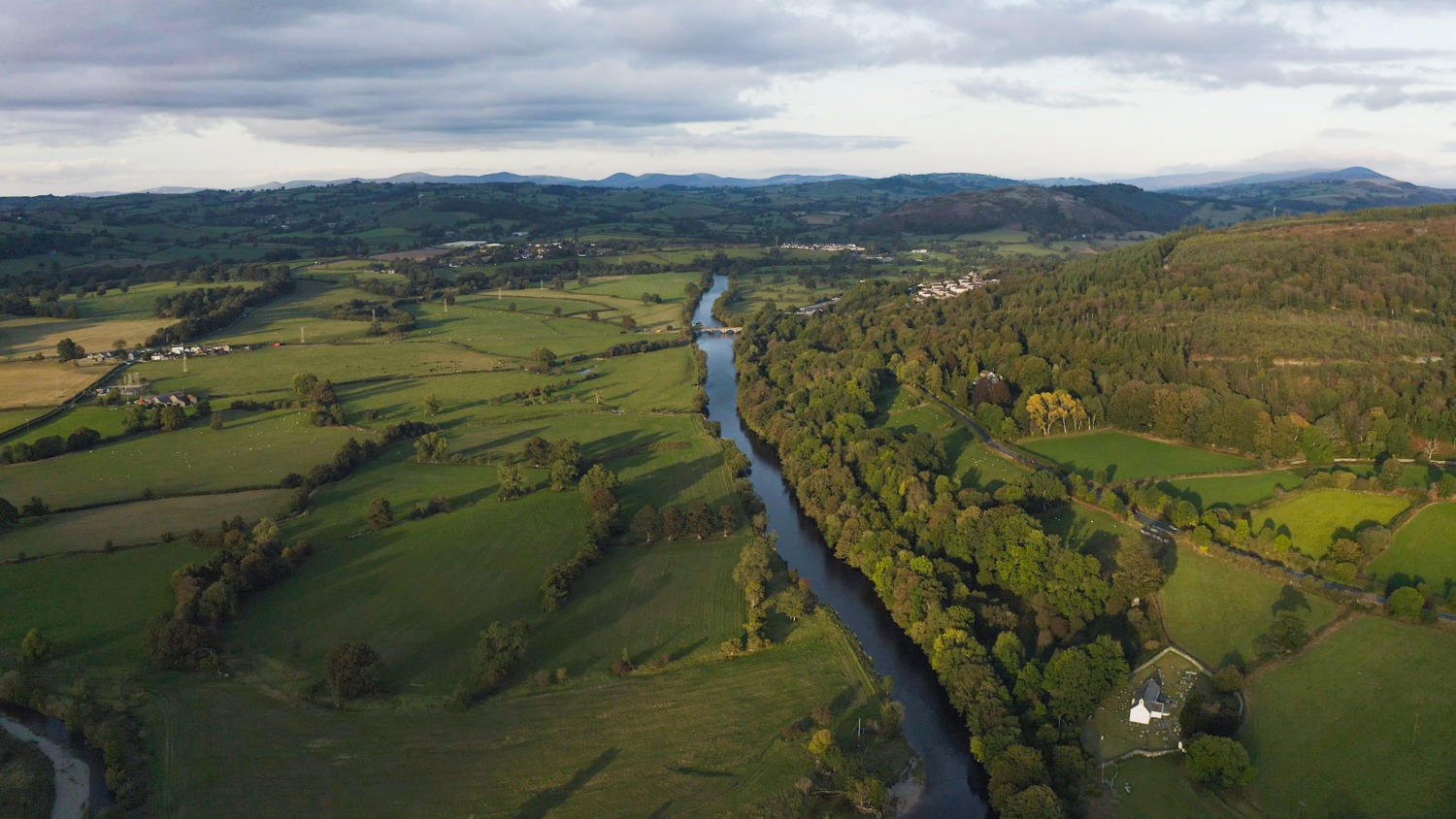
A prolonged summer drought has left one of the UK’s best-known organic farming estates facing winter feed pressures after months of difficult conditions for livestock, grazing and water supplies. The 12,500-acre Rhug Estate, near Corwen, on the Shropshire and North Wales border, endured one of its most challenging summers in recent years, with rivers running low, springs and boreholes under pressure and shepherds travelling across the hills in search of suitable grazing. Estate owner Lord Newborough said the extreme conditions highlighted the growing challenges facing farmers across the region, particularly those managing livestock on extensive upland holdings.
“Everyone enjoys the sunshine, myself included, but when you’re farming on this scale, a long, dry summer brings enormous challenges,” he said. “Our springs and boreholes were under pressure, rivers were incredibly low and our shepherds spent much of the summer travelling across the hills looking for suitable grazing and water for the sheep. “There was also the constant threat of fire on the dry hillsides, while wildlife suffered too, particularly birds on the Berwyn, where a lack of water affected their development. “It was a difficult period and we’re now looking ahead to winter and making sure we have sufficient feed for the livestock.”
The dry conditions also had a significant impact on Rhug’s renewable energy operations, with hydroelectric production almost grinding to a halt as water levels fell. However, solar generation benefited from the prolonged sunshine, while wind energy remained relatively steady.
Despite the difficulties on the agricultural side, the estate’s wider commercial operations performed strongly, demonstrating the importance of diversification to modern farming businesses. Rhug’s award-winning farm shop enjoyed a busy summer, benefiting from visitors travelling between the Midlands, Shropshire and the North Wales coast. Demand for its electric vehicle charging facilities reached record levels, while luxury skincare brand Rhug Wild Beauty continued to attract national and international attention. The brand featured on ITV’s Inside The Langham, showcasing its relationship with the prestigious London hotel’s Chuan Body and Spa. Meanwhile, appearances at events including Burghley Horse Trials and exposure through farmer and television personality Gareth Wyn Jones helped introduce Rhug to new audiences. Lord Newborough also travelled to London to meet leading chefs and explore further opportunities to supply the capital’s restaurants with organic meat produced on the estate.
“While the weather made life difficult on the farming side, we’ve seen tremendous support for our other businesses,” he said. “The farm shop has been exceptionally busy, our EV chargers have never been more popular and Rhug Wild Beauty continues to attract attention from further afield.”
Looking ahead, Rhug is investing in its agricultural operations, including strengthening its shepherding team, while exploring new markets for its organic produce and skincare range.
Lord Newborough added: “Farming has always been about hard work, resilience and sometimes a little luck, but most importantly it’s about people. “We have a fantastic team here and we’re incredibly grateful to everyone who has visited, supported our businesses or followed our journey.”