The Green Block is helping organisations transform waste from a hidden cost into a measurable business asset
When people think about waste, technology seldom comes into the frame.
Artificial intelligence, smart buildings, digital twins and data analytics are transforming industries around the world. Yet one of the most significant overheads facing businesses, transport operators and public-sector organisations is for waste management, which for most remains managed much as it was decades ago: bins are emptied, waste is collected and the material carted away.
However, according to market disruptor, The Green Block (TGB), it is an approach that is archaic and no longer fit for purpose.
As organisations face increasing pressure to reduce costs, meet ESG commitments, comply with Simpler Recycling legislation and improve environmental performance, understanding waste data is now becoming as important as managing the waste itself.
“The biggest challenge facing the waste sector isn’t collection,” said Adam Williams Managing Director of TGB. “It’s visibility and transparency and organisations understanding their waste, where it’s coming from and importantly the opportunities they’re missing.”
The hidden value in waste data
Traditional waste management models are simply a logistics exercise. Waste is generated, placed in bins, collected and transported off-site.
What often remains unknown is what could have been recycled, where contamination is occurring and the environmental and financial impact.
Without accurate data, it is impossible to know this and organisations are effectively managing one of their largest environmental responsibilities blind.
TGB believes this is where the next generation of waste management will pay significant dividends.
Adam Williams continued: “By combining operational waste services with advanced reporting, analytics and on-site resource recovery, the company is helping clients move from a collection-led model to a data-led resource management model.”
Turning waste into intelligence
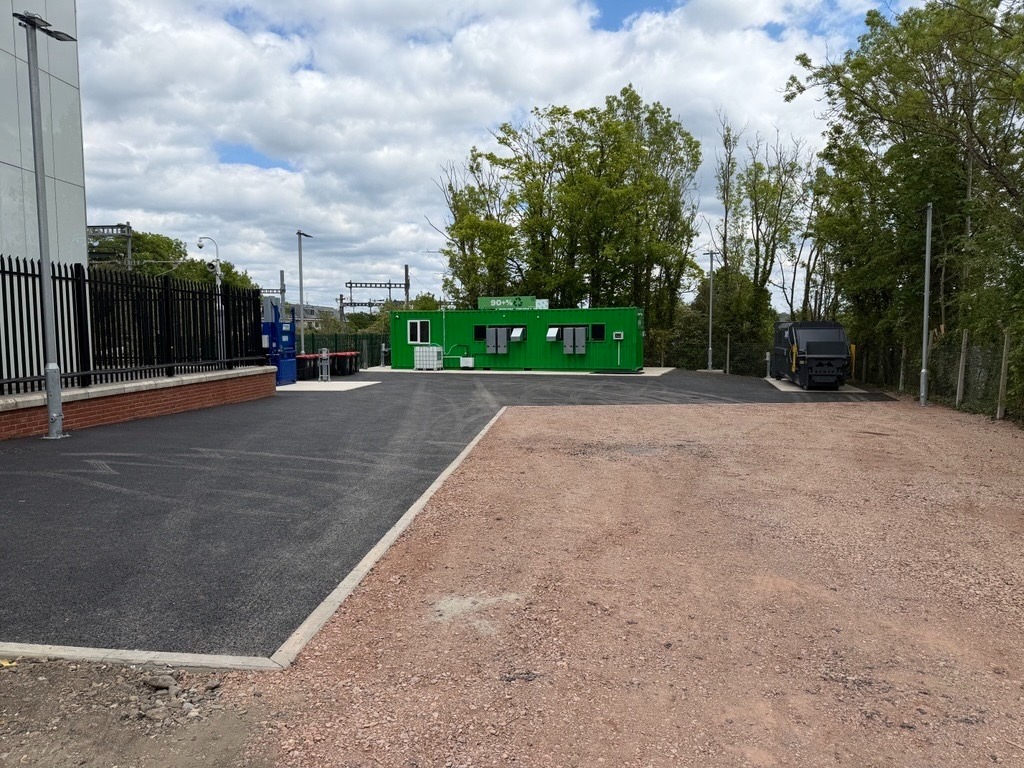
At the centre of TGB’s approach is its globally patented Mobile Segregation Unit (MSU), the world’s first mobile on-site material recovery facility.
A true game changer, rather than treating waste as a single disposal stream, the MSU allows waste material to be segregated, consolidated, recorded and analysed.
The result is not simply improved recycling performance. It is the creation of a detailed and auditable data trail that enables organisations to understand exactly how waste is being produced and managed across their estate.
Through TGB’s reporting platforms, clients can identify:
- Which locations generate the highest levels of residual waste
- Where contamination is affecting recycling performance
- Which recyclable materials are being lost into general waste streams
- Where operational behaviours are driving inefficiencies
- Which interventions deliver measurable improvements
- Opportunities to reduce collections and associated costs
- Progress against ESG and sustainability targets
For complex estates such as railway networks, airports, retail destinations and operational depots, this level of insight can revolutionise the process.
Better data delivers better decisions
The waste industry has traditionally measured success by tonnage collected, missed collection performance and a series of low-level key performance indicators (KPI’s).
TGB believes the more important question is what happens next.
“Consolidating data from multiple waste streams, locations and treatment routes into a single reporting framework, enables organisations to gain visibility of recycling rates, material recovery performance, carbon impacts and financial outcomes in real time.
This creates clear evidence on which to base procurement decisions, sustainability reporting and operational improvement programmes.
For example, removing bins from a station may appear to reduce waste costs. However, without data, organisations cannot see whether that waste has simply been displaced into littering, in turn creating additional cleaning costs, contamination or customer complaints.
The result can be a reduction in visible costs while hidden costs increase elsewhere.
“Good waste management isn’t about removing bins,” said Adam Williams. “It’s about understanding what happens to waste throughout its entire journey and making decisions based on evidence rather than assumptions.”
The importance of data is becoming even greater following the introduction of Simpler Recycling legislation.
Organisations are now expected not only to manage waste responsibly but also to demonstrate how waste streams are being handled and how environmental performance is improving over time.
While businesses retain responsibility for separating waste at source, robust reporting, monitoring and audit trails are becoming increasingly important in demonstrating performance, identifying risks and supporting compliance obligations.
As digital waste tracking requirements continue to develop, access to reliable operational data will become an essential part of effective waste management.
TGB believes the future of waste management lies in the midst of operational expertise, environmental performance and technology.
Across major transport networks and complex estates, the company is already using data to provide clients with a national view of waste performance, recycling outcomes, material recovery opportunities and carbon impacts.
The company’s proprietary reporting platform ‘Plaza’ brings together information from station operations, depot collections, recycling facilities, commodity recovery streams and waste treatment routes into a single, transparent view and in real-time
For TGB, this is about more than waste. It is about helping organisations understand resources, reduce unnecessary costs, improve environmental outcomes and make smarter decisions.
“Technology has transformed every major industry,” said Adam Williams. “Waste management should be no different.
“Data is becoming one of the most valuable resources in the sector, and we’re helping clients unlock its full potential.”