As summer gives way to autumn and the nights begin drawing in, retailers are entering a period when the physical security of their premises deserves renewed attention. Longer hours of darkness do not automatically mean more crime, but they can create more favourable conditions for opportunistic offenders. There is less natural surveillance, fewer people around after trading hours and more time for a closed premises to sit unattended. For retailers, that makes the hours between closing and opening an important part of the security equation.
The UK Government’s Winter of Action, which ran across 613 town centres and related areas during December 2025 and January 2026, placed retail crime, street crime and town-centre safety firmly on the agenda. More than 5,000 arrests for retail crime were recorded during the initiative, demonstrating the scale of the challenge facing the sector.
For individual retailers, security should start before an offender gains entry, with a focus on making the premises a less attractive target in the first place. “Criminals have choices, and the appearance of a storefront after closing can influence those choices,” says Damian Judge, Group CEO at Trellidor. “A dark, unattended store with limited physical barriers can present a very different proposition from one where access points are clearly secured and difficult to breach.”
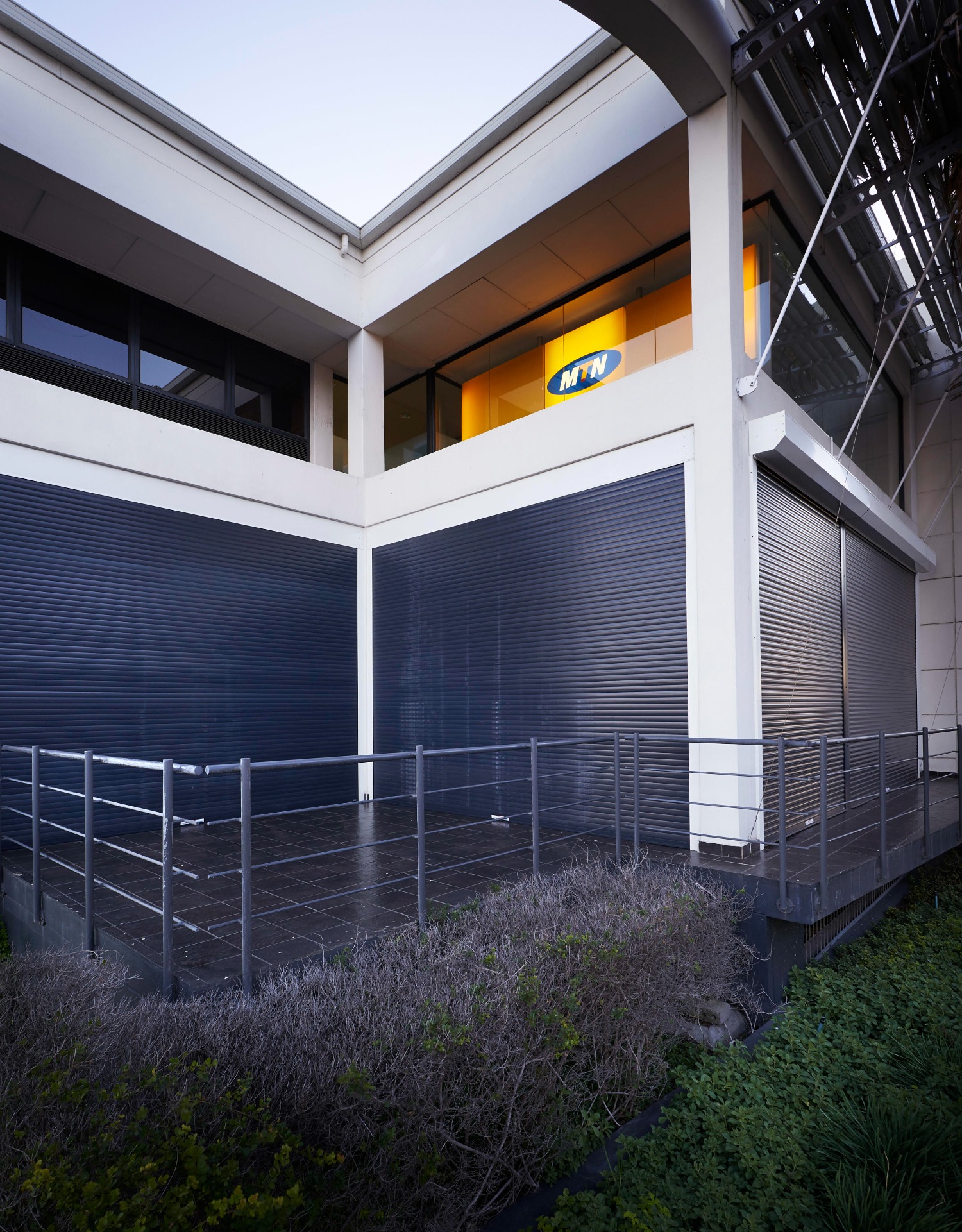
This is where physical security remains an important part of a wider security strategy. Alarms, CCTV, lighting and monitoring all have a role to play, but they are not substitutes for a physical barrier between an offender and the building, stock or equipment inside it. Roller shutters can provide a robust barrier across larger openings, while retractable security grilles can secure entrances and shopfronts while allowing the retail environment to remain visible when the premises are open. Used alongside other measures, these solutions can help create layers that make unauthorised access more difficult and time-consuming. “Security is most effective when different measures work together,” Judge says. “CCTV can capture an incident, and an alarm can alert someone that something is happening, but a strong physical barrier can introduce another obstacle between the offender and their objective. That time and resistance can make a significant difference.”
Winter preparation should therefore go beyond checking whether an alarm is working. Retailers should consider how their premises look after closing, identify vulnerable access points, review lighting around entrances and less visible areas, check that shutters, grilles and locks are functioning correctly, and assess whether existing measures are still appropriate for the way the business operates. The same principle applies whether the premises are a high-street shop, retail park unit, showroom or standalone store. Every site has its own vulnerabilities, and those vulnerabilities can become more apparent when darkness arrives earlier and stays for longer.
“Effective physical security should not come at the expense of how a retail space looks or operates,” Judge adds. “The right solutions can secure a premises after hours while allowing it to remain welcoming and functional during the day.”
As retailers prepare for the months ahead, the message is straightforward: the security of a store should not stop when the lights go out. A physical security review before the darker months arrive could be one of the simplest ways for retailers to identify weaknesses before someone else does.