CBC Radio-Canada’s Olympic analyst publishes scientific paper for the NSCA Coach journal
Nils Oliveto’s model on Double-Peak Macrocycle Periodization marks a breakthrough in dual-sport training methodology
Titled ‘Double-Peak Macrocycle Periodization for Olympic Track Athletes Competing in Both Sprints and Bobsled’’, the publication is now available in the December 2025 edition journal of ‘’NSCA Coach’’, one of the official publications of the National Strength and Conditioning Association (NSCA). Based in the United States and considered the worldwide authority on strength and conditioning, the NSCA supports research-based knowledge and its practical application to improve athletic performance.
Nils Oliveto’s latest sports science innovation demonstrates the applications of biomechanical compatibility, seasonal constraints, neural load management and technical skill demands inside a double-macrocycle periodization framework for dual-sport Olympic athletes competing in both sprints and bobsledding.
Oliveto’s proposition also features the application of his Subjective Exertion Feedback (SEF) scale as a framework for Winter and Summer Olympic caliber coaches. It allows quantification of the empirical data required for optimal progress to occur and for injuries to be avoided during the various anaerobic alactic training cycles. Oliveto’s periodization design could enhance efficiency and world-class performances for dual winter/summer sports athletes.
About the Author:
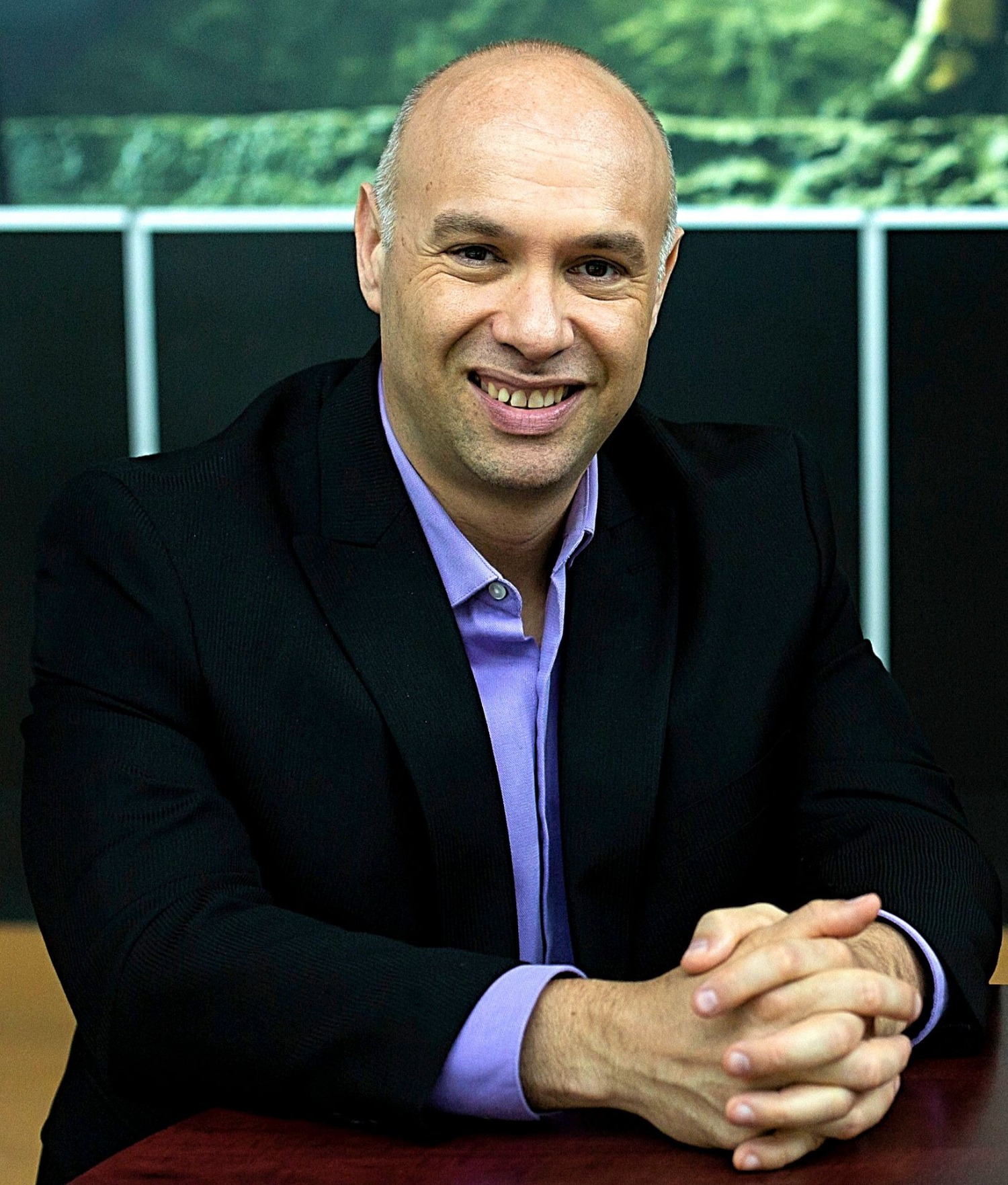
Nils Oliveto is a health/physical education instructor at Lionel-Groulx College in St-Thérèse (Québec, Canada) and an Olympic analyst for CBC Radio-Canada television in Montréal. He holds a Master of Science degree from the University of Oklahoma in Exercise Physiology & Human Performance with a research emphasis on periodization. For over twenty years, his training methodology theories have been cited and applied in Canada, the ‘’Bundesinstitut für Sportwissenschaft’’ in Germany, USA Track & Field, as well as translated in various sports science publications in Spain, Cuba and Japan.