The UK government has tightened its guidance on mobile phone use in schools to tackle distractions and improve behaviour. This move raises a vital question: how do we prepare children for a world where switching off is increasingly difficult?
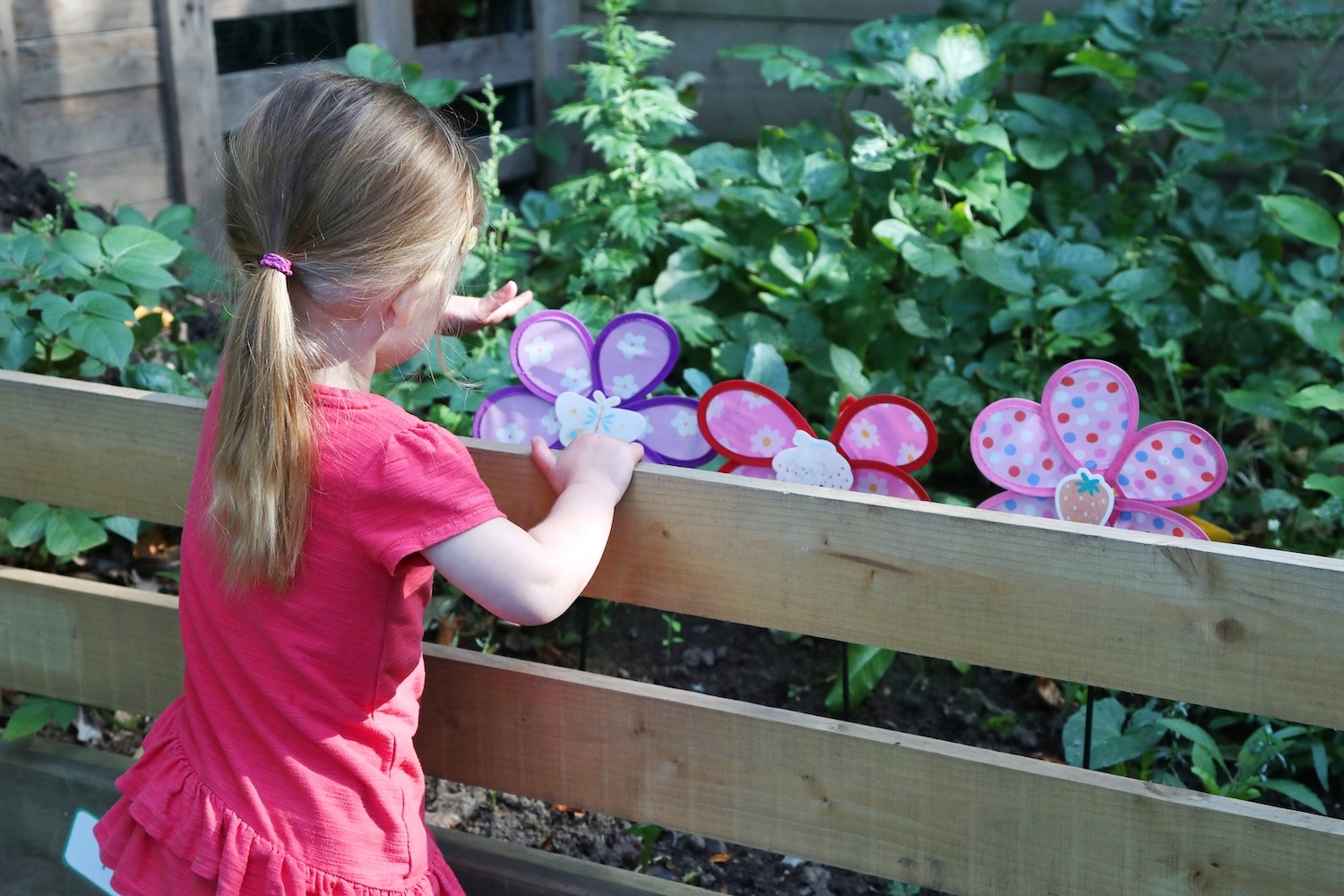
Wild Days Lodge Forest Pre-school in Mapperley, Nottingham, suggests the answer may lie not in a ban in secondary schools, but in the mud and trees of early childhood.
As many schools welcome the move to eliminate phones from classrooms, research shows that nature-based learning may build the internal “brakes” children need to manage technology. Early years outdoor learning has been linked to the development of confidence and self-control that helps children resist impulses, including the pull of a screen. Hands-on play with sticks, mud and leaves trains their senses and encourages a love for exploring the world. This naturally makes passive screen time less appealing.
This “nature beats Netflix” approach suggests that children who are conditioned to outdoor life in early years are more likely to choose adventure over scrolling and are less likely to rely on screens for fun.
“The phone ban addresses the symptoms of digital saturation,” says Wild Days Lodge Director, Abi Reddish. “However, it’s possible that outdoor learning can address the root, creating habits early on that naturally compete with screen use.”
Abi adds, “Every day, we witness how children flourish when they can explore spaces that feel real. They learn to make choices, test ideas, and understand their own strengths. Early-years adventures at Forest Preschool encourage children to choose experiences over screens as they grow.”
Wild Days Lodge believes screen habits start in the early years. Climbing trees, exploring, and making toys from sticks and imagination build curiosity, focus, and self-control. Nature-based learning builds a love for real-world experiences that is likely to have more appeal than screens in later childhood.