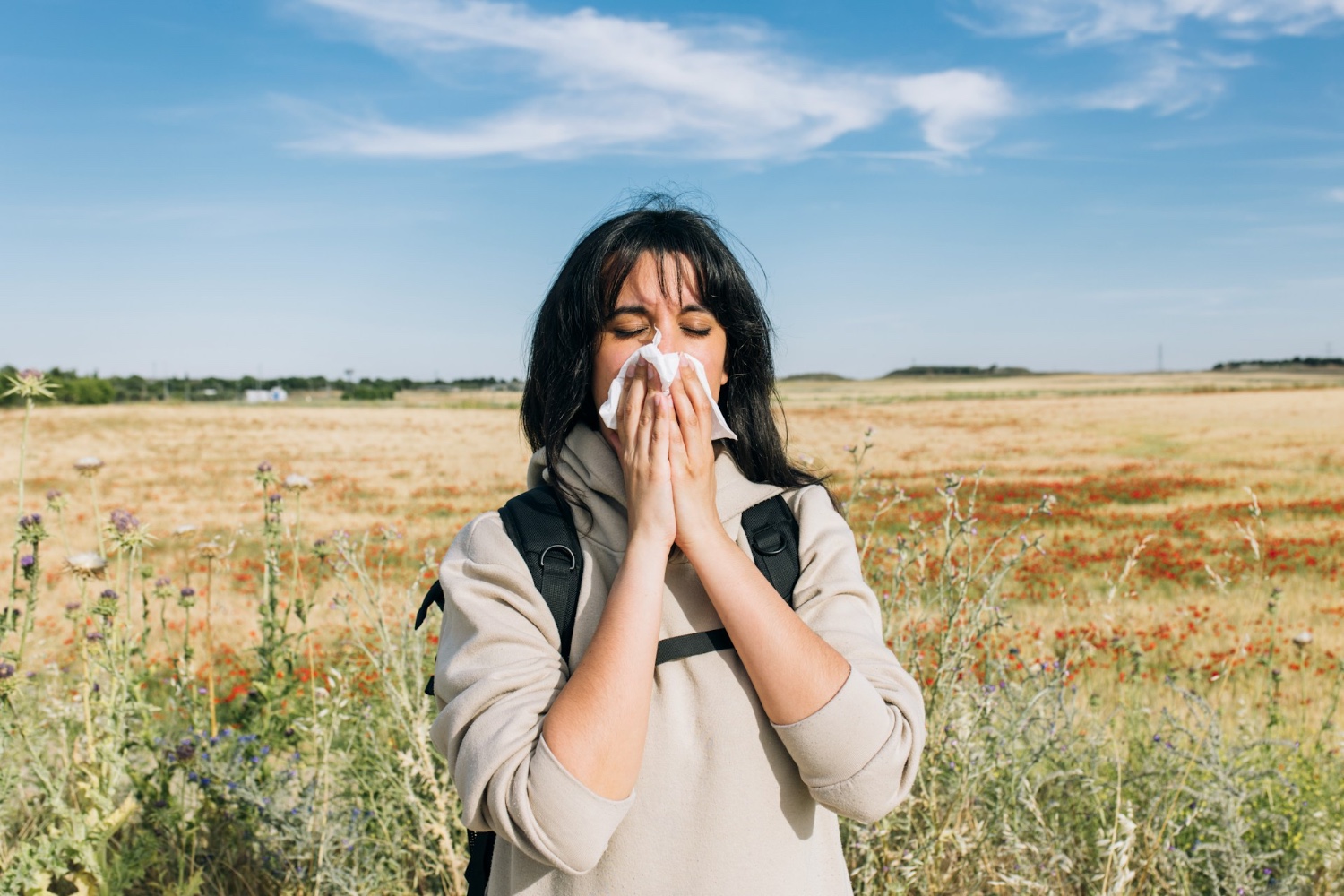
Pollen season in the U.S. is up to 31 days longer than it was a generation ago, and what’s in your refrigerator may be more relevant to managing allergens than most realize.
Allergy season is getting longer, harder, and more expensive, and millions of Americans are already feeling it. The AAFA 2026 Allergy Capitals report highlights how cities like Boise, San Diego, and Tulsa are now among the toughest places to live with seasonal allergies, and experts warn things are only going to get worse. The warmer temperatures have made the U.S. growing season about 21 days longer on average, and by up to a month in the Pacific Northwest since 1970, according to a recent Climate Central report, prolonging congestion and itchy eyes for the one in four adults who suffer from seasonal allergies.
The financial toll is mounting as well, with nearly two-thirds of households buying over-the-counter allergy medications every year, spending an average of $58 per household on antihistamines alone, billions of dollars annually just to get through the season.
But relief may already be sitting in your refrigerator, as a growing body of research suggests that eating certain foods during peak season can meaningfully support how your body responds to allergens. Dr Michael Ukpong, Food Scientist at Taylor Farms, suggests ten fresh foods that may help take the edge off symptoms.
You can’t control pollen, but you can help your body handle it
“Allergy season isn’t just a few weeks in April anymore,” says Dr. Ukpong. “It’s now a problem that lasts for months. While you can’t change the pollen count, you can take steps to help your body respond better. What you eat is one of the simplest ways to do that.”
His point isn’t that food cures allergies. Medication works, and for many people it’s non-negotiable. But there’s a layer of the conversation that rarely gets coverage: how the body’s histamine response, the mechanism behind most allergy symptoms, may be influenced by what you regularly eat.
When pollen hits, the body’s immune system responds by releasing histamine, which triggers most of the unpleasant symptoms, such as congestion, itchy eyes, sneezing, and fatigue. What many don’t realize is that diet may influence how the body manages these responses. Certain fresh vegetables contain bioactive compounds, such as quercetin and Vitamin C, that research has associated with supporting normal inflammatory processes and immune function. And getting more of these within daily meals during peak pollen weeks is one of the most practical, low-effort steps allergy sufferers can take, no prescription required.
“We’re not suggesting that a plate of kale can replace a prescription,” adds Dr. Ukpong.
“But if you’re already spending money on antihistamines and you’re eating a nutritionally thin diet during peak season, there’s a reasonable argument that your plate could be working harder for you.”
The 10 fresh foods worth trying this allergy season
Dr. Ukpong says that several common vegetables have nutrients and plant compounds that could help your immune system and support healthy inflammation during allergy season:
- Kale and Onions are rich in quercetin
Quercetin and similar plant compounds have been studied for how they support the body’s normal histamine response. You don’t need to eat large amounts, just include them regularly in your meals. - Broccoli, Bell Peppers, and Cabbage are high in vitamin C
Red peppers and cruciferous vegetables are particularly high in Vitamin C, one of the nutrients most commonly associated with supporting normal immune system function. - Garlic and Ginger are anti-inflammatory and functional ingredients
Garlic and ginger contain bioactive compounds that have been widely studied for supporting the body during stressful times, such as allergy season. It’s important to remember that the benefits usually come from eating them regularly. - Spinach, Carrots, and Arugula act as everyday nutrient boosters
These common and versatile vegetables can make your diet more balanced and nutritious without requiring many changes to your eating habits.
Instead of focusing on a single superfood, Dr. Ukpong suggests building variety into everyday meals consistently throughout the season.
How to build a spring plate that helps with allergies
Here is a simple way to get the most out of these powerhouse ingredients, according to Dr. Ukpong:
- Base: Start with a base of kale or spinach.
- Add: Add broccoli and bell peppers.
- Topping: Top with sliced onions, then drizzle with a homemade vinaigrette made with olive oil, choice of vinegar, garlic, and ginger.
This mix provides the key nutrients and plant compounds most associated with supporting normal immune and inflammatory responses. For those sensitive to birch or grass pollen, how you cook your food can make a difference. Many people with these allergies get an itchy or tingling throat when eating raw fruits and vegetables, a reaction known as Oral Allergy Syndrome (OAS).
Lightly cooking these vegetables breaks down the proteins responsible, and the nutritional value largely stays intact. It’s a small adjustment that makes a real difference for a significant portion of allergy sufferers.
Fresh stir-fry vegetable kits that combine ingredients such as broccoli, kale, cabbage, carrots, garlic, and ginger can make these combinations easy to prepare on a weeknight.
“If you live somewhere where allergy season seems to stretch later every year, what you put on your plate every day may help. A salad kit rich in quercetin, a bowl of cooked broccoli, and some bell peppers are small, consistent choices that may genuinely support your body through a season that, according to the latest data, is only getting longer,” concludes Dr. Ukpong.