The press release refuses to die. You’d think it would have gone the way of the fax machine by now, but instead it keeps mutating, finding new life in the world of AI and content marketing. Once a rigid template full of tired executive quotes, now it is edging closer to something that looks like content marketing itself, stitched into campaigns and ecosystems rather than faxed off into the void. It is not just about journalists any more. It is about bots, feeds, search engines and yes, still, actual humans.
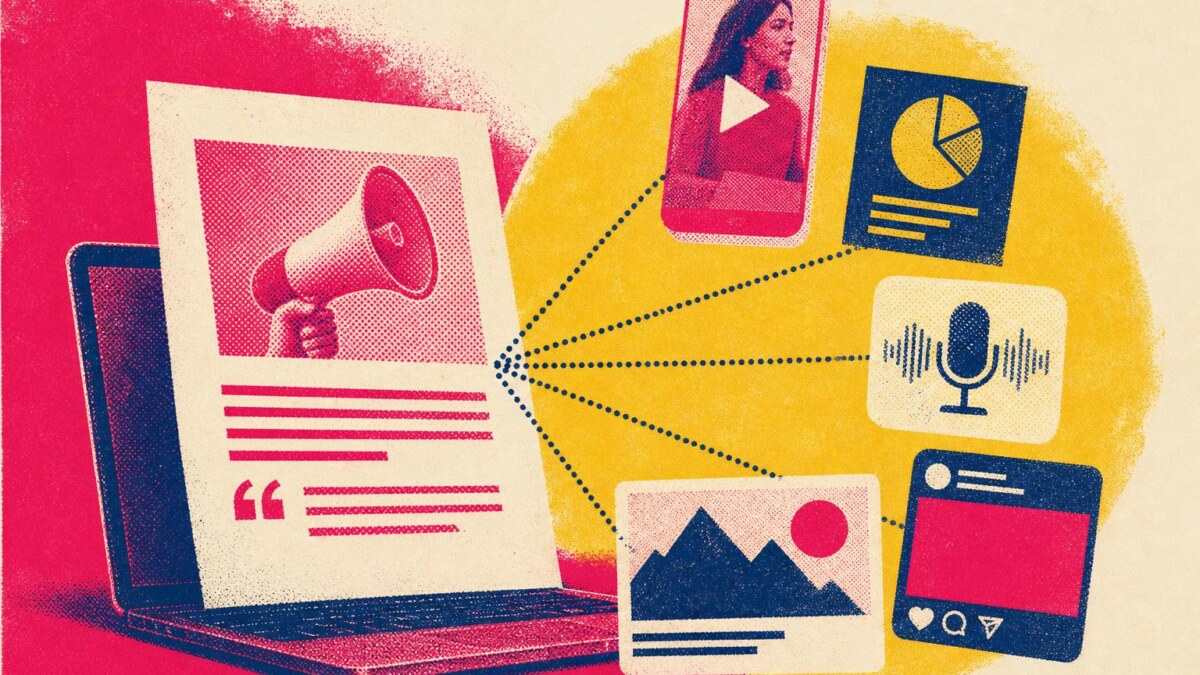
Why the shift? Because the mechanics of communication have changed. In 2025 AI tools are eating everything. Over sixty percent of PR professionals are already using them day to day, and that figure is heading toward eighty percent within the next year. These tools do more than spellcheck. They crunch headlines, predict whether a release will get coverage, spit out multimedia versions and tailor language to different audiences. You can get an entire first draft in seconds, but what matters is what you do with it afterwards. The release is no longer an email in a journalist’s inbox. It is fuel for a whole content ecosystem. A single announcement can become a LinkedIn post, an infographic, a podcast teaser, even a TikTok clip. One thing becomes ten.
Search has also changed. Traditional SEO has not disappeared, but AI search platforms now scan and summarise structured content. If your press release sits on a site that AI trusts, there is a good chance it will end up as the answer when someone asks a chatbot about your brand. That alone makes them powerful again. In the old days you worried about Google rankings. Now you are worried about whether Claude or ChatGPT cites you at all. Which means every release is a potential entry point into the way your brand exists in automated answers.
The writing itself is different too. Gone are the endless “thrilled to announce” statements that nobody reads. The smarter teams are cutting that fluff and leaning into quotes that actually say something. You want sound bites, but not the canned ones. And the format is multimedia first. A text-only release feels ancient. Now it is expected that you will have at least a short video or infographic packaged alongside it. Audio snippets for podcasters, charts for trade journalists, images optimised for socials. A release should feel like a ready-to-use kit, not just words on a screen.
AI is baked into the workflow. Platforms like PR Newswire have scoring tools that will tell you whether your draft has the right balance of keywords, structure, clarity. Others can generate multiple versions of a headline for testing. But the final say still belongs to a human editor, because a machine cannot tell you if your message is boring or tone deaf. A bot cannot feel when a line just doesn’t land. That part remains stubbornly human.
So what does it mean to rebrand the press release as content marketing? It means treating it as the anchor of a mini campaign. You write it to be discovered. You optimise the metadata. You design it so AI can skim it while humans can still get a narrative out of it. You recycle it shamelessly into other formats. A blog post, a tweet thread, an Instagram carousel, even a newsletter snippet. You keep the quotes real, the story meaningful. When distributing, you shape the same release differently for journalists, for stakeholders, for internal audiences. It is not just blast-and-pray any more.
Agility matters too. During a crisis, the press release still has a role. Social media can scatter your message, but a release gives you one structured, official version that is timestamped and quotable. Journalists still look for that, and AI scrapers definitely do. So even in 2025 it carries weight when things go sideways.
Zooming out, the comms world is at an odd crossroads. On one side, some founders are ditching agencies entirely, publishing their own raw updates and building personal brands. It feels messy, sometimes even embarrassing, but it resonates because it is direct. On the other side, agencies are still necessary because AI cannot tell you what the right story is. It can only help you polish. It cannot build journalist relationships or sense when a news cycle is about to open up. That is still a human game.
Meanwhile, marketers are trying to reconcile AI hype with reality. At Cannes Lions this year, CMOs were talking about AI as an amplifier of creativity, not a replacement. The ROI case is still thin, but tools like Adobe’s new orchestration platforms and AI brand concierges are already reshaping how campaigns run. The same shift applies in PR. Machines help with efficiency, but the message itself needs a human instinct.
So where does this leave us? The press release is not dead. It is simply rebranded through practice. Less a static announcement, more a modular piece of content marketing. Optimised for AI, packaged for multimedia, repurposed across channels, but still reliant on human editors and strategists to shape the story. No need for a grand renaming ceremony. Just keep bending the form until it works. Treat every release like a campaign in miniature, and you will find both the bots and the people paying attention.
Looking for press release distribution services?
News By Wire is rapidly growing into one of the worlds leading press release services with a growing database of UK, USA, European and Asia-based journalists & news desks waiting for you to share your press release. To make things even better, we offer completley free distrubution of many press releases!
FAQs - Get the most from your press releases
Are press releases still relevant in 2025?
Yes. They’ve evolved from static announcements into flexible content hubs. A single press release can fuel blog posts, social snippets, infographics, even AI search engine answers. They’re no longer just for journalists.
How has AI changed the role of press releases?
AI tools draft, edit, optimise headlines, and even predict media impact. They make writing faster and more efficient, but they can’t replace human judgment about what actually matters. AI has also made press releases more discoverable through generative search platforms like ChatGPT and Claude.
What’s the difference between a traditional press release and a content marketing release?
A traditional release was a plain-text statement aimed at newsrooms. A content marketing release is multimedia, SEO-optimised, structured for AI, and designed to be repurposed across channels. It functions more like a mini campaign than a memo.
What common mistakes should brands avoid when writing press releases now?
Using generic quotes (“we’re thrilled”), relying only on text without visuals, failing to optimise for search and AI indexing, and blasting the same release to everyone without tailoring for different audiences.
How can a company get the most value out of a single press release?
Think of it as a content anchor. Pair it with visuals, embed key data, optimise for SEO, then repurpose it across your owned channels. Distribute different versions to different stakeholders. One strong release can fuel weeks of content if planned properly.