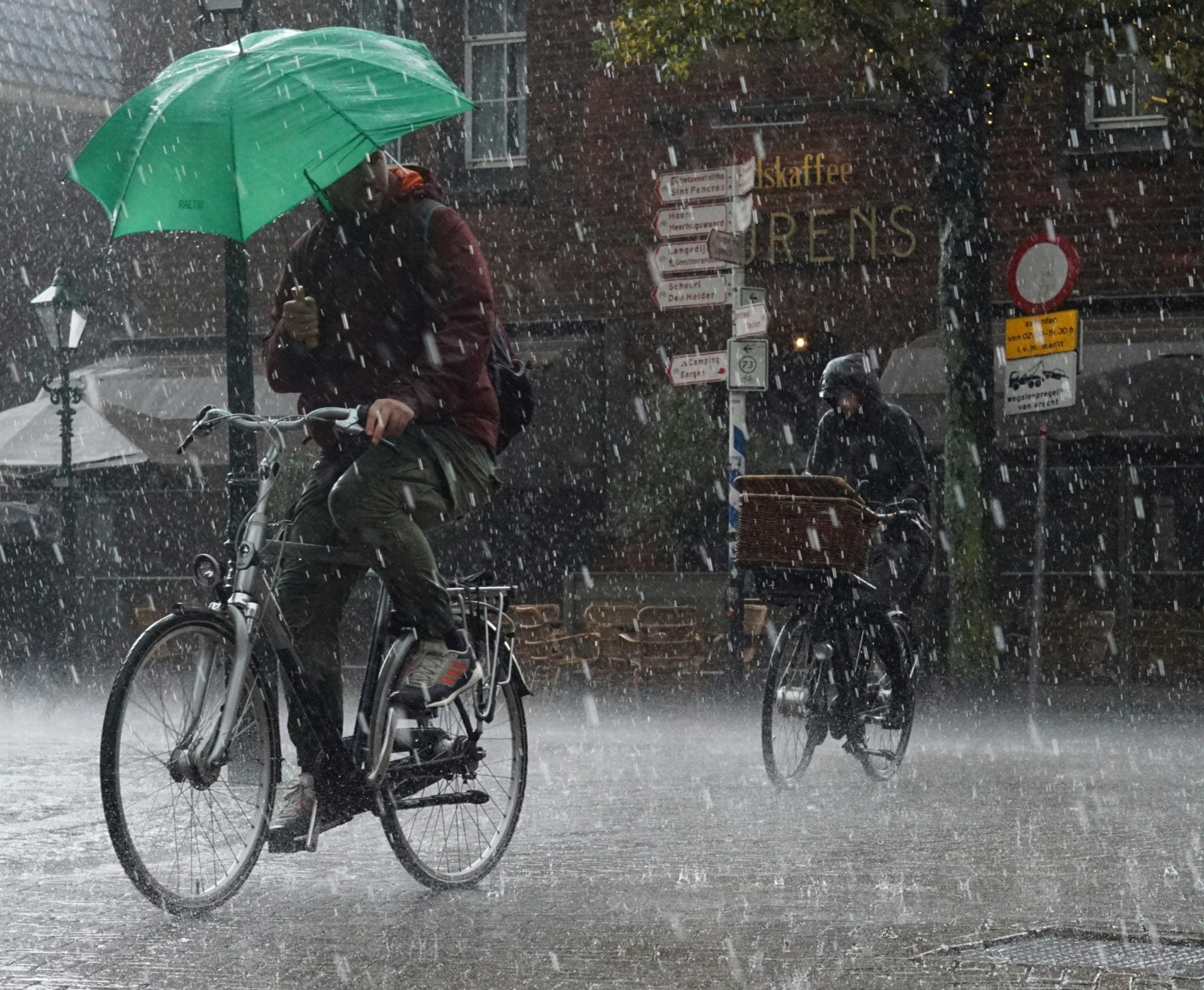
A new survey has revealed a divided response to the UK’s autumn storm outlook, with one in three respondents believing media headlines overstate the threat. Insurance experts, Everywhen, are warning that scepticism may be understandable, but businesses should not overlook the potential cost of weather-related disruption.
As the UK heads into the autumn storm season, a recent survey from insurance experts, Everywhen reveals that nearly three-quarters (73%) of respondents did not report taking additional precautions in response to forecasts of wetter, windier and potentially stormier conditions. The findings reveal a striking divide in attitudes towards severe weather, with 33% believing media headlines overstate the threat, compared with 27% who said they were concerned and taking action. A further 33% were monitoring the situation but had yet to act, while 7% believed remote working limited their exposure to disruption.
The findings come after the Met Office reported an increased likelihood of wetter and windier conditions this autumn, while also publicly challenging sensational weather headlines that can exaggerate the certainty of long-range forecasts.
For Everywhen, these results raise an interesting question: are businesses becoming more resilient to severe weather, or simply less convinced by the warnings?
A spokesperson at Everywhen, said:
“What’s particularly interesting about these findings is the divide in how businesses perceive the same risk. Some are already taking precautions, while others believe the headlines are overstating the threat.
“This scepticism isn’t necessarily misplaced. We’ve all seen dramatic predictions of extreme weather that don’t materialise in the way the headlines suggest. But there’s an important distinction between questioning a forecast and questioning whether your business could withstand disruption.”
Beyond the headlines: the real cost of disruption
While severe weather is often associated with flooding, damaged roofs and fallen trees, but the financial and operational consequences for businesses can extend much further. Power cuts and broadband outages can prevent employees from working, interrupt payment systems and restrict access to essential business information. Transport disruption can delay deliveries and prevent staff reaching their workplace, while damaged infrastructure can affect suppliers and customers hundreds of miles from the worst weather. For retailers, hospitality businesses and leisure operators, cancelled bookings and reduced footfall can also mean lost revenue, even when their premises remain undamaged. Recent Ofcom guidance has highlighted the vulnerability of communications networks to severe weather and power disruption, reinforcing the importance of considering digital infrastructure within business continuity planning.
The spokesperson continued: “A business doesn’t have to suffer physical storm damage to experience a significant financial impact. If a supplier can’t deliver, employees lose internet access or customers are unable to reach you, the consequences can quickly extend beyond the weather itself.
“Remote working has provided greater flexibility, but it doesn’t eliminate these dependencies. A business may have employees working from home across the country, yet still rely on the same communications networks, suppliers and infrastructure.”
Is weather warning fatigue changing attitudes?
The poll also raises questions about how repeated severe weather coverage may influence business attitudes towards risk. The Met Office has itself challenged sensational reporting, highlighting how individual forecast scenarios can sometimes be presented as more certain than the available evidence supports. Seasonal forecasts indicate the probability of particular weather patterns, rather than predicting when or where individual storms will occur.
Everywhen’s insurance experts believe this distinction matters. Businesses that repeatedly encounter dramatic warnings without experiencing significant disruption themselves may become less inclined to respond, although the poll does not establish respondents’ reasons for their scepticism.
The spokesperson added: “There’s a danger that repeated dramatic headlines can make it harder for businesses to distinguish between a genuine warning and a worst-case scenario. If a predicted event doesn’t affect your area, it’s understandable that you might question the next warning.
“But weather preparedness shouldn’t depend on predicting the next named storm. It should begin with understanding what your business needs to keep operating, whether that’s electricity, reliable communications, access to premises or an uninterrupted supply chain.
“The most useful question isn’t necessarily whether the forecast will prove correct. It’s what would happen to your business if those essential services were unavailable tomorrow.”
With businesses divided between taking action, monitoring developments and questioning the warnings, the challenge may be less about predicting the weather and more about recognising the consequences of being caught unprepared.