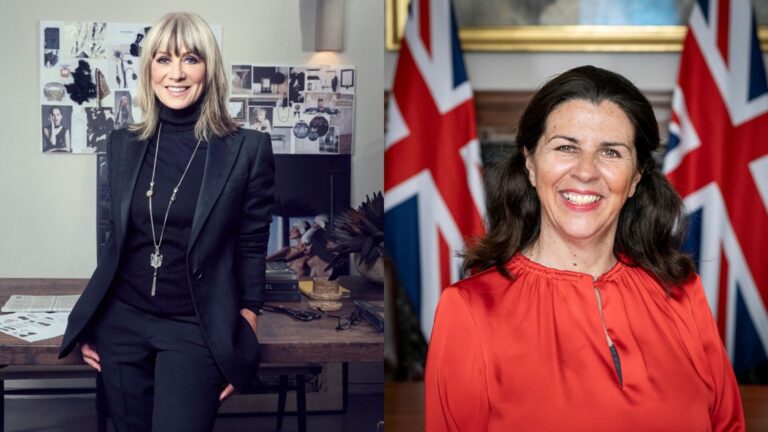
After more than two decades of hospital admissions, heartbreak and setbacks, a mother and daughter say they want to prove that recovery is possible, even after years of living with anorexia.
For more than twenty-three years, anorexia dominated every aspect of Sophie Baker’s life. The illness dictated what she ate, how she thought, and even how she saw herself. It led to repeated hospital admissions, relapses and periods when recovery seemed out of reach.
For her mother, Lindsey Agness, every day was spent watching her daughter fight one of the deadliest mental health conditions while wondering whether there was anything else she could do to help.
Now, after more than two decades living on opposite sides of the illness, the pair have transformed their shared experience into a new book, The Anorexia Breakthrough, which they hope will offer practical support to others facing eating disorders.
“For many years, anorexia was the third person in every conversation, every decision and every relationship,” Sophie says. “It convinced me that recovery wasn’t possible and that this was simply who I was.”
The book combines Sophie’s lived experience with Lindsey’s background as one of the UK’s first female Neuro-Linguistic Programming (NLP) Master Trainers. Together, they explore how practical behavioural tools may help people alongside professional treatment as they navigate recovery.
Their story comes as demand for eating disorder services continues to grow and NHS waiting lists remain under intense pressure. While specialist medical care remains the cornerstone of treatment, many families say they are searching for additional ways to understand the fears, beliefs and behaviours that can make recovery so difficult.
“Writing the book with my mum has shown me just how far recovery can take you,” Sophie continues. “We wanted to create the resource we wish we’d had when we were living through the darkest times.”
Lindsey believes one of the biggest misconceptions is that anorexia is simply about food.
“People often focus on the eating disorder itself,” she says. “But every eating disorder affects an entire family. As a mother, there were times when I felt frightened, frustrated, heartbroken and completely powerless. What kept us going was the belief that recovery was possible, even when progress felt painfully slow.”
In The Anorexia Breakthrough, Sophie and Lindsey argue that lasting recovery involves far more than restoring weight. They feel it also requires rebuilding identity, confidence and hope after years of living under the control of the illness. It introduces what they call The Anorexia Breakthrough Model, a six-stage framework designed to help readers better understand the thoughts, fears and beliefs that can reinforce anorexia, while encouraging greater self-awareness and resilience.
The use of NLP is likely to prompt debate. The approach has attracted scepticism over the years, particularly where exaggerated claims have been made about what it can achieve.
Lindsey says she understands that criticism and believes it should be openly discussed.
“People should be sceptical of any approach that promises miracles,” she continues. “Recovery often requires people to challenge limiting beliefs, manage fear, build resilience and create a different vision for their future. These are areas where many NLP tools may be helpful.”
Neither Lindsey nor Sophie views NLP as a treatment for anorexia.
“We’re absolutely clear that NLP is not a cure and should never replace professional medical care,” she says. “The important question is whether practical psychological tools can help people increase self-awareness, strengthen motivation and challenge unhelpful thinking while they are recovering. We believe they can play a valuable supporting role.”
For Sophie, one of the book’s central messages is directed at people who have lived with anorexia for years and fear recovery is no longer possible.
“There were times I genuinely believed this illness would always define me,” she emphasises. “I know how hopeless that can feel. If sharing our story helps even one person believe recovery is still possible, then every difficult conversation we’ve had over the last twenty-three years has been worth it.”
Lindsey hopes families will also recognise themselves in the book.
“So often parents, partners and siblings feel as though they’re walking on eggshells. They desperately want to help but don’t know how. We wanted to write something that acknowledged their experience as well.”
Together, the pair hope their story challenges one of the most persistent myths surrounding severe and enduring anorexia, that after years of illness, recovery becomes impossible.
“Our message is simple,” Lindsey concludes. “Hope doesn’t have an expiry date.”
The Anorexia Breakthrough: NLP Strategies for Recovery and Resilience is available now.