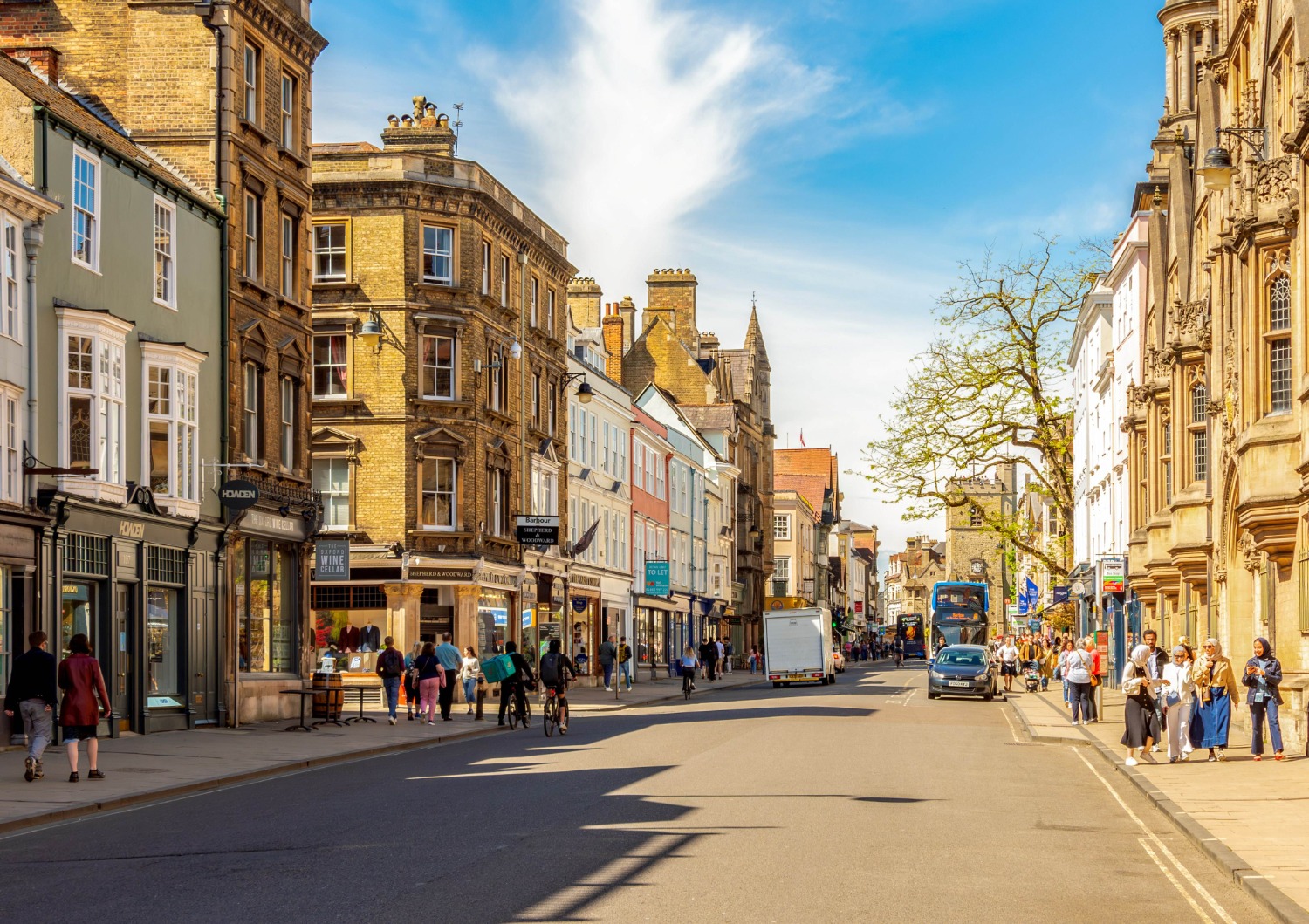
Economic pressures such as the cost-of-living crisis do influence how much consumers spend but when they spend continues to follow clear seasonal patterns, according to insurance experts, Everywhen. Research into retail spending trends can produce some surprising results. For example, summer weather brings increased footfall on the high street but it doesn’t necessarily mean that people are spending more.
A spokesperson for Everywhen says: “Seasonal trends remain central to high street performance, but the data shows that timing, value and relevance are more important than ever. Businesses that understand when customers are most likely to spend, and what they’re wanting to spend their money on, are better placed to manage staffing, promotions and stock levels throughout the year.
“Understanding how spending rises and falls during the year is vital for retailers, hospitality businesses and service providers to plan their business, from managing stock and staffing levels to keeping cash flow on track. Failing to plan can undermine the viability of the business.”
Seasonal trends
High street spending often lifts in spring and research by Barclays’ shows that as the days get longer and warmer, consumers typically spend more in clothing shops, garden centres and food specialists. Annual events such as Mother’s Day and Easter also play a part, supporting footfall on the high street through gifting, dining and specialist food purchases.
Summer spending is often driven by leisure, hospitality and travel‑related spending, with consumers prioritising experiences and social occasions. High street cafés, restaurants and entertainment venues benefit from the warmer weather and longer evenings. However, Barclays’ data highlights the role that travel costs can have in diverting spending away from local high streets, particularly during school holidays.
As international and domestic travel expenses rise, some town centre retailers may experience softer footfall, especially in late summer. This can result in uneven performance with hospitality being quite resilient, while discretionary retail experiences more ups and downs. In early autumn, spending behaviour becomes steadier. Barclays’ insights show that it is often a time of stabilisation on the high street, as consumers refocus on everyday needs. General retail, clothing and services tends to recover as households prepare for colder months ahead.
The most significant seasonal rise in high street spending occurs in late November and December, with the data consistently showing that Christmas drives the largest surge in retail and entertainment spending, particularly across clothing, gift categories, food specialists and digital subscriptions. Hospitality also benefits from seasonal get-togethers, work events and family celebrations.
Following high levels of Christmas expenditure, many consumers focus on budgeting and saving in the New Year. Retailers often rely upon promotions and sales to drive footfall during this quieter period, while hospitality and leisure businesses typically see reduced demand.
A shift toward selective spending
Across all seasons, one clear trend stands out. Seasonal rises in spending are still happening but they’re increasingly targeted. Even when budgets are tight, consumers continue to prioritise areas like wellbeing, health and entertainment. This selective approach means high street businesses benefit most when they align seasonal offers with customer priorities, rather than relying solely on traditional spending patterns. Planning for this is essential.
Everywhen’s spokesperson concludes: “If you run a high street business, it is vital to understand and plan for seasonal spending trends to ensure that consumer demands are met through appropriate stock and staffing levels, and cashflow is consistent.”