Wanna Hike the Moon? Try this Croatian island this spring
Local guide reveals Croatia-s extra terrestrial secret, island that looks like the Moon
When you think of Croatia, you probably picture pine forests, medieval towns and turquoise coves. But one island looks like it belongs on another planet.
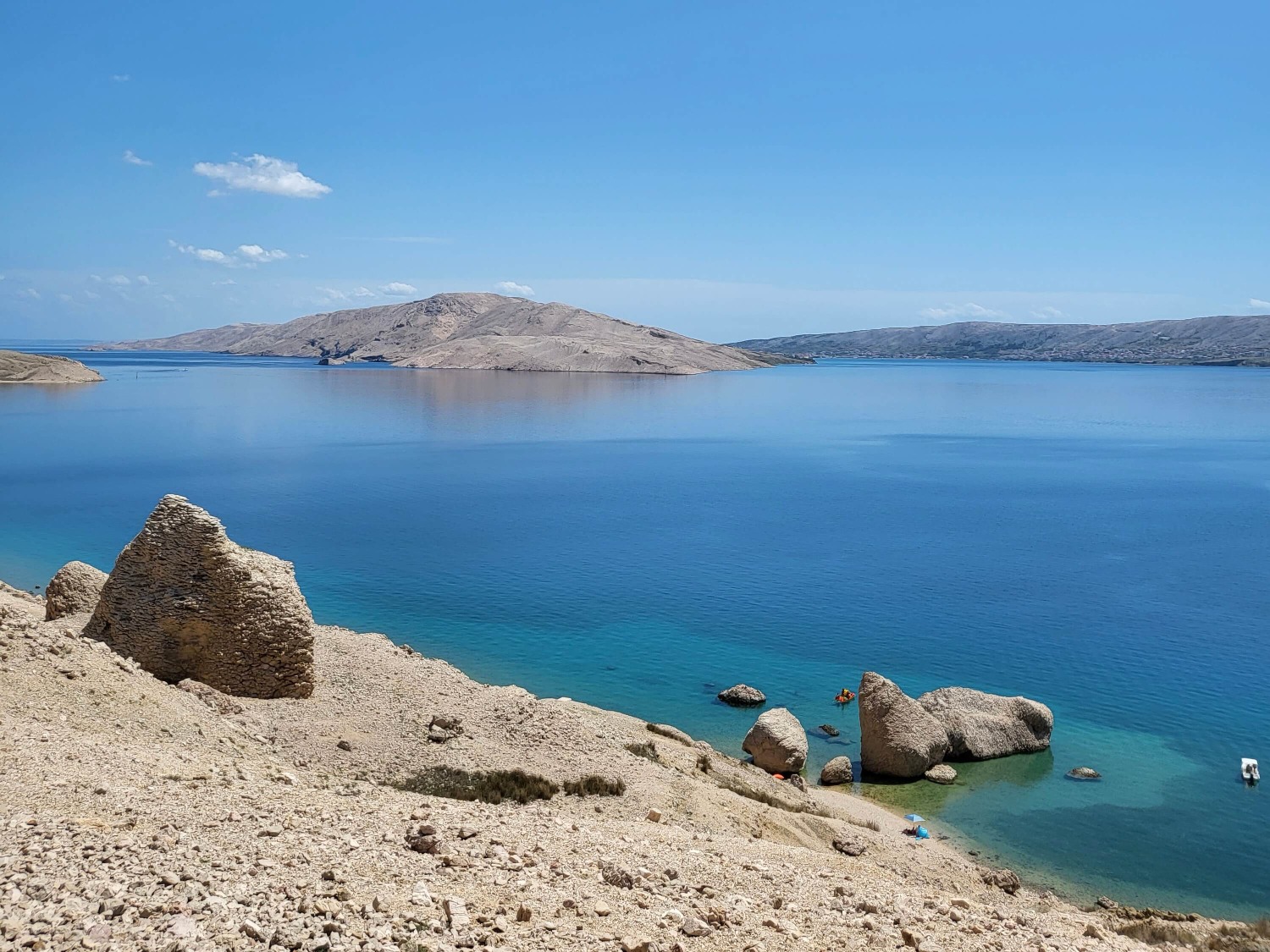
The northern side of Pag is so stark and rocky that locals call it the “Moon Island”, a wind-carved landscape of pale stone, rolling ridges and almost vegetation-free terrain that stretches for miles.
And according to Toni Hrelja, founder of Croatian rental company Villsy.com, spring is when it’s at its most extraterrestrial.
“People expect Croatia to be green and Mediterranean,” he says. “Then they arrive on Pag and feel like they’ve landed on the Moon, or even Mars. It’s raw, dramatic and completely unexpected.”.
Why Spring Is the Best Time to Visit
Pag’s lunar landscape offers almost no shade, and in summer, temperatures regularly hit 30°C.
Spring, however, is ideal for hiking and exploring:
- March: 13–15°C
- April: 16–18°C
- May: 20–22°C
“There are no trees and very little shelter,” Toni explains. “The scenery is spectacular, but summer heat can make hiking tough. Spring gives you the same otherworldly views without the intense temperatures.
The Four Most ‘Extraterrestrial’ Spots on Pag, shared by local
-
Metajna (Northern Coast)
This is where Pag earns its Moon nickname.
This stretch of Pag looks lunar because it’s been stripped almost bare by centuries of fierce Bura winds blowing down from the Velebit mountains, carrying salt that killed off vegetation and eroded the soil. What’s left is exposed karst limestone; pale, cracked and sculpted into rolling ridges with barely a tree in sight.
In bright light, the stone turns chalky white and the landscape becomes stark and monochrome, giving it that unmistakable Moon-or-Mars feel.
-
Beritnica and Stogaj
At Beritnica, the coastline is stripped back to bare, sun-bleached limestone, with three huge boulders sitting eerily in the shallows as if they’ve fallen from the sky. Above the beach rises Stogaj, a dramatic, sculpted rock column carved by wind and salt into sharp, almost unnatural shapes.
With hardly any vegetation to soften the scene, the pale stone, harsh textures and vast open sky combine to create a stark, crater-like setting that feels far closer to the Moon than a typical Mediterranean beach.
-
Sveti Vid Plateau
The plateau around Sveti Vid, the highest point on Pag, is exposed, treeless and carved from pale karst rock that stretches out in cracked, uneven slabs. With almost no shade, little vegetation and wide, empty horizons, the terrain feels stark and elemental — just stone, wind and sky. In strong sunlight the limestone turns chalky and colourless, creating a vast, open landscape that mirrors the desolate, high-ground feel of a lunar surface rather than a typical Adriatic island.
-
The Pag Triangle
Set within the stark, vegetation-free karst near Novalja, the Pag Triangle sits pressed into pale, cracked limestone that already looks stripped and otherworldly. The geometric imprint — measuring 32x32x22 metres — appears lighter than the surrounding rock, heightening the sense that something unusual happened here. Surrounded by bare stone, wind-swept ridges and almost no greenery, the setting feels more like a mysterious marking on a lunar plain than a natural feature on a Mediterranean island.
Pag, just a few hours away from the UK
March is still off-season, so the easiest way to reach Pag is to fly into Croatia’s capital, Zagreb. Ryanair operates direct flights from the UK, with fares sometimes starting from around €50 (£43), meaning your “ticket to the Moon” doesn’t have to cost the Earth.
From Zagreb Airport, hire a car and drive south; Pag is around 3.5 hours away via the motorway, with dramatic mountain scenery along the way.